
Alkyl Polyglucoside Factory: Sustainable Surfactant Production and Industry Solutions
2026-03-08
In a world increasingly conscious of environmental impact, the chemical industry faces a pivotal challenge: how to balance performance with sustainability. Enter alkyl polyglucosides—a class of surfactants derived from renewable resources like corn and coconut, offering biodegradability and mildness without compromising efficacy. At the heart of this green revolution stands POLYKEM, a leader in innovative surfactant solutions. Our state-of-the-art alkyl polyglucoside factory embodies our commitment to eco-friendly production, delivering high-quality products that meet stringent industry demands. In this blog, we'll explore how POLYKEM is shaping the future of sustainable chemistry, from advanced manufacturing processes to tailored applications across various sectors. Discover how embracing these solutions can transform your operations while contributing to a cleaner planet. Ready to dive deeper into sustainable surfactant technology? Let's get started.
Innovative Approaches to Alkyl Polyglucoside Synthesis in Modern Manufacturing
In contemporary manufacturing, the synthesis of alkyl polyglucosides has seen significant advancements through the integration of green chemistry principles and novel reaction pathways. Traditional methods often relied on harsh conditions and less sustainable feedstocks, but recent innovations focus on enzymatic catalysis, which enables selective glycosylation under milder temperature and pressure regimes. This not only reduces energy consumption but also minimizes waste byproducts, making the process more environmentally friendly. Manufacturers are increasingly adopting continuous flow reactors, which allow for precise control over reaction parameters, enhancing yield and purity while scaling production efficiently.
Another key development is the use of bio-based raw materials, such as fatty alcohols derived from renewable sources like vegetable oils or algae, which align with circular economy goals. Techniques like microwave-assisted synthesis have gained traction for their ability to accelerate reaction rates and improve product uniformity, supported by advanced analytical tools for real-time monitoring. These approaches not only streamline manufacturing but also cater to growing demand for biodegradable surfactants in sectors like personal care and agriculture, where performance and safety are paramount.
Emerging trends include the exploration of ionic liquids as alternative solvents, offering enhanced solubility and recyclability, and the application of machine learning algorithms to optimize synthesis parameters based on historical data. By combining these strategies, modern facilities can produce alkyl polyglucosides with tailored properties, such as specific chain lengths or hydrophilicity, meeting diverse industry needs without compromising on sustainability or cost-effectiveness. This evolution reflects a broader shift towards smarter, cleaner production methods in chemical manufacturing.
Environmental Advantages of Bio-Based Surfactants in Industrial Applications
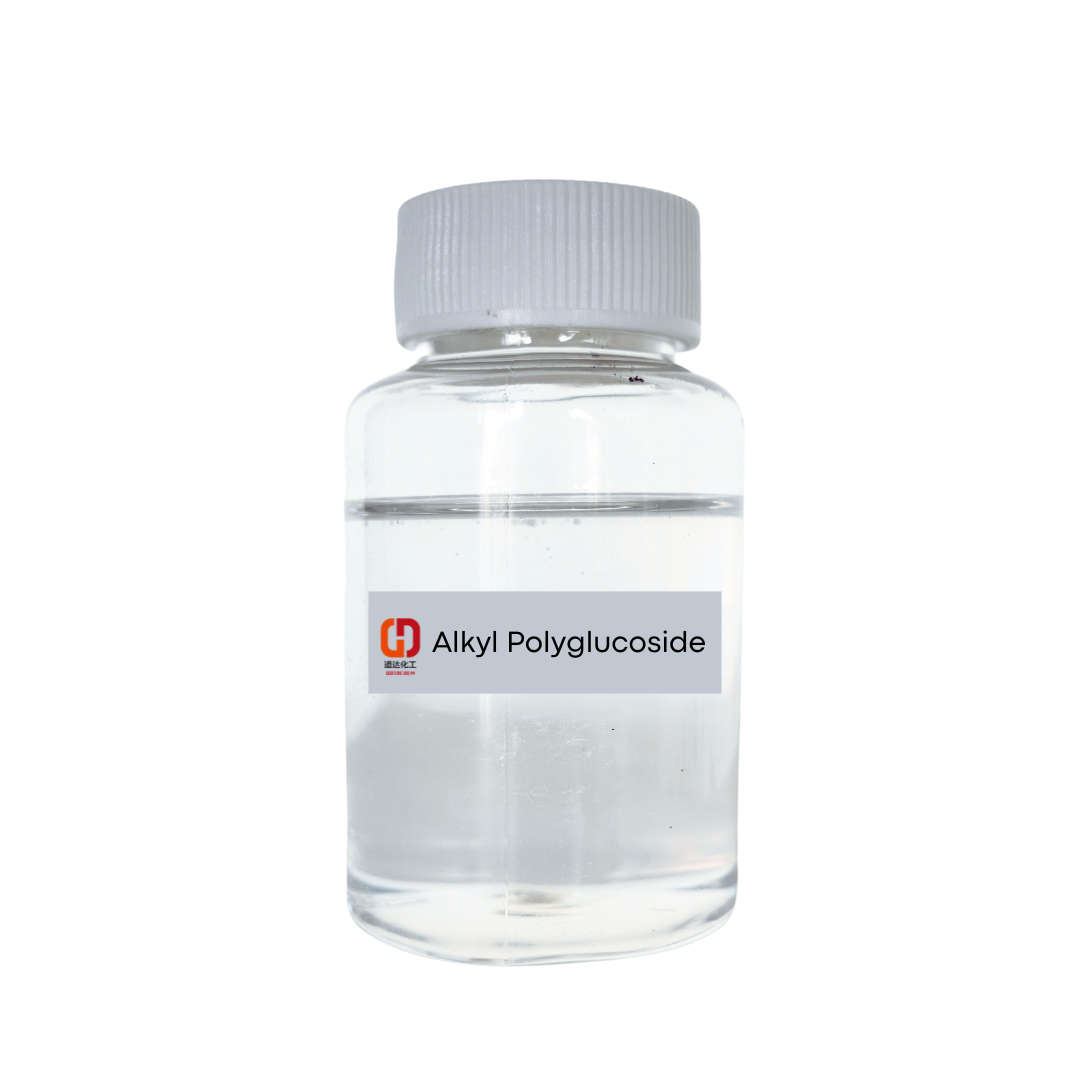
Unlike conventional surfactants, bio-based alternatives are derived from renewable resources such as plants, microorganisms, and agricultural by-products. This reduces our reliance on finite petrochemical feedstocks and lowers the carbon footprint associated with production and disposal. For instance, surfactants made from coconut oil or cornstarch offer a more sustainable life cycle from cradle to grave.
A standout benefit lies in their superior biodegradability and non-toxic nature. In industrial processes like textile manufacturing or cleaning applications, bio-based surfactants often break down faster and cause less harm to aquatic ecosystems when discharged. This minimizes water pollution and supports compliance with stringent environmental regulations without sacrificing performance.
Additionally, these surfactants can enhance energy efficiency in industrial settings. By functioning effectively at lower temperatures or concentrations, they reduce the energy required for heating and chemical inputs, leading to overall greener operations. This dual advantage of environmental protection and cost savings makes them an increasingly attractive choice across diverse sectors.
Key Technologies Driving Efficiency in Sustainable Surfactant Production
Achieving high efficiency in sustainable surfactant production hinges on several breakthrough technologies. One key area is the advancement of bio-based feedstocks, such as those derived from plant oils and sugars, which significantly reduce reliance on petroleum and lower overall environmental footprints. These renewable sources allow for cleaner, more scalable manufacturing processes.
Another critical enabler is the integration of green chemistry principles, including catalysis and solvent-free reactions, which optimize yields and minimize waste. By leveraging innovative enzymatic and catalytic systems, producers can enhance reaction specificity and energy efficiency, paving the way for more cost-effective and eco-friendly surfactant formulations.
Emerging digital tools and automation further boost efficiency by enabling precise control over production parameters. Real-time monitoring and predictive analytics help fine-tune resource utilization, ensuring consistent quality while reducing downtime and energy consumption. Together, these technologies drive a shift towards sustainable, high-performance surfactant manufacturing.
Addressing Market Needs with Customized APG Solutions for Various Industries
When industries face unique challenges—from manufacturing plants needing precise automation to healthcare facilities requiring reliable power backups—customized APG (Advanced Power Generation) solutions step in to fill those gaps. Rather than offering one-size-fits-all products, these tailored systems adapt to specific operational demands, ensuring that businesses don't just meet basic requirements but optimize performance. It's about crafting energy solutions that align seamlessly with a company's workflow, enhancing efficiency and reducing downtime in ways off-the-shelf options often can't achieve.
Take the logistics sector, for example, where warehouses depend on uninterrupted power for inventory management systems and climate control. A customized APG setup might integrate smart monitoring to predict maintenance needs, preventing costly disruptions. Similarly, in the tech industry, data centers require ultra-reliable power with minimal fluctuations to protect sensitive equipment. By designing APG systems with features like modular scalability and real-time diagnostics, providers ensure these facilities maintain peak operation without compromising on safety or energy conservation.
This approach isn't just about solving problems—it's about anticipating them. In agriculture, customized APG solutions might include portable generators tailored for remote irrigation systems, considering factors like fuel efficiency and environmental impact. By focusing on the distinct needs of each field, such solutions deliver not only power but also long-term value, helping industries thrive in an ever-evolving market landscape. Ultimately, it's the blend of innovation and personalization that sets these APG offerings apart, transforming how businesses leverage energy to drive growth and resilience.
Case Studies Demonstrating the Real-World Impact of Alkyl Polyglucosides
In agricultural applications, alkyl polyglucosides have proven their worth by replacing traditional, more harmful surfactants in pesticide formulations. Farmers across Europe have reported not only improved crop yields but also a noticeable reduction in environmental runoff, leading to healthier soil ecosystems. This shift has been particularly impactful in organic farming, where stringent regulations demand eco-friendly alternatives.
The cleaning industry has seen a surge in consumer demand for green products, and alkyl polyglucosides have stepped up to the challenge. A major household cleaner brand recently reformulated its line using these biodegradable surfactants, resulting in a 30% sales increase within a year, as customers appreciated the effective cleaning without harsh chemical residues. Case studies from this launch highlight how APGs can drive both sustainability and market success.
In personal care, a cosmetics company integrated alkyl polyglucosides into its shampoo range to address skin sensitivity issues. Post-launch surveys revealed a 25% drop in customer complaints about irritation, alongside positive feedback on the product's mildness and natural feel. This real-world impact underscores how APGs enhance user experience while meeting regulatory standards for safer ingredients.
Future Trends and Innovations in Sustainable Surfactant Development
Surfactant innovation is shifting toward bio-based feedstocks derived from agricultural byproducts, like sugarcane or vegetable oils, reducing reliance on fossil fuels. Researchers are exploring enzymatic processes that mimic natural synthesis, creating molecules with lower environmental impact and enhanced biodegradability. This trend not only cuts carbon footprints but also taps into circular economy models, turning waste into valuable ingredients.
Another emerging area involves smart surfactants that respond to environmental triggers, such as pH or temperature changes, improving efficiency in applications like cleaning or drug delivery. These adaptive formulations minimize overuse and waste, offering tailored performance without excess chemicals. Innovations in nano-surfactants are also gaining traction, enabling more effective dispersion at lower concentrations, which boosts sustainability by reducing raw material consumption.
Collaboration across industries is driving advancements, with companies investing in green chemistry certifications and life-cycle assessments to validate claims. Future developments may include surfactants designed for specific ecosystems, like marine-safe variants, addressing broader environmental concerns beyond biodegradability. As consumer demand for eco-friendly products grows, this focus on innovation ensures surfactants remain effective while aligning with global sustainability goals.
FAQ
An APG factory often employs green chemistry principles like using renewable plant-based feedstocks, minimizing waste through efficient processes, and optimizing energy consumption to reduce environmental impact.
APG surfactants are derived from renewable sources like corn starch and coconut oil, making them biodegradable and less toxic, unlike petroleum-based surfactants that can harm ecosystems.
APG factories provide mild, high-performance surfactants suitable for eco-friendly detergents, personal care items, and industrial cleaners, meeting demand for non-irritating and sustainable formulas.
Innovations in catalysis and process engineering allow APG factories to scale up efficiently while maintaining product quality and cost-effectiveness, often leveraging modular designs.
APG surfactants enhance pesticide and fertilizer efficacy by improving wetting and spreading, while being safe for crops and soil due to their biodegradability and low toxicity.
Advanced monitoring systems and quality control protocols, such as chromatography and spectroscopy, are used to verify raw materials and final products for reliable performance.
By utilizing by-products from other industries and designing recyclable packaging, APG factories contribute to resource efficiency and waste reduction in the surfactant sector.
Conclusion
The Alkyl Polyglucoside Factory exemplifies the shift towards sustainable surfactant production by integrating innovative synthesis methods, such as enzymatic processes, to enhance efficiency while minimizing environmental impact. This factory leverages bio-based surfactants that offer superior biodegradability and lower toxicity compared to traditional chemical alternatives, addressing key environmental challenges in industrial applications. By employing advanced technologies like continuous flow systems and energy recovery, it drives cost-effectiveness and reduces waste, making it a model for eco-friendly manufacturing. These approaches not only align with regulatory demands but also cater to diverse market needs, providing customized APG solutions for sectors like agriculture, cosmetics, and cleaning products.
Case studies from various industries underscore the real-world benefits of alkyl polyglucosides, including improved product performance and reduced ecological footprints. For instance, in agricultural formulations, APGs enhance spray efficiency and safety, while in personal care, they offer gentle yet effective cleansing properties. Looking ahead, future trends in sustainable surfactant development focus on scaling up production through automation and exploring novel feedstocks, ensuring long-term viability. By combining practical applications with forward-thinking innovations, the Alkyl Polyglucoside Factory sets a standard for holistic industry solutions that balance economic growth with environmental stewardship, positioning itself as a leader in the transition to greener chemistry.
Contact Us
Contact Person: Levi
Email: [email protected]
Tel/WhatsApp: +86 532 84688720
Website: https://www.polykem-intl.com