

Chemical Equipment & Technology Buying Guide: Best Places to Purchase
2026-05-16
Navigating the chemical equipment and technology market can feel like a maze—whether you're sourcing lab-scale reactors or full production systems. With evolving regulations, tightening supply chains, and a flood of online options, knowing where to buy isn't just about price; it's about reliability and performance. At ICIF, industry leaders converge to showcase innovations and forge partnerships, but the buying landscape extends far beyond. This guide cuts through the noise, spotlighting the best places to purchase, so you can secure the tools that keep your operations ahead of the curve.
Navigating the Chemical Equipment Marketplace
Finding reliable chemical equipment isn't just about comparing specs—it's about understanding the hidden costs that pile up later. A reactor might look perfect on paper, but if the seals fail after three months or the supplier can't provide replacement parts within a week, that bargain turns into a liability. Experienced buyers know to dig into warranty terms, ask for local service references, and test-run equipment on actual process fluids before committing. They also watch for subtle mismatches: a pump rated for clean solvents won't survive abrasive slurries, and a glass-lined vessel that handles acids beautifully might crack under thermal shock from a minor operator error.
The shift toward modular and multi-purpose setups has changed how plants source their hardware. Instead of buying single-purpose columns or fixed-volume reactors, many now look for systems that can be reconfigured as production demands shift. A filter-dryer combination unit, for instance, might cost more upfront but eliminates separate drying steps and reduces material handling risks. Second-hand refurbished equipment is no longer a dirty secret—it's a legitimate strategy when backed by thorough inspection reports and certified refurbishment. The trick is knowing which components have predictable wear patterns and which ones, like high-pressure autoclaves, should almost always come from original manufacturers with traceable material certificates.
Sourcing chemicals for pilot trials adds another layer of complexity. Early-stage R&D teams often need kilogram quantities with precise purity profiles, but the suppliers who serve lab-scale aren't set up for mini-bulk, and the big distributors have minimum order requirements that create storage headaches. Smart buyers cultivate a short list of specialty intermediaries that bridge that gap, providing custom packaging, split batches, and ongoing analytical support. They also factor in the regulatory flux: a raw material that ships freely today might require an end-use declaration next quarter, so building relationships with suppliers who proactively flag these changes saves more than just money—it keeps production timelines intact.
How to Vet Suppliers for Lab and Industrial Needs
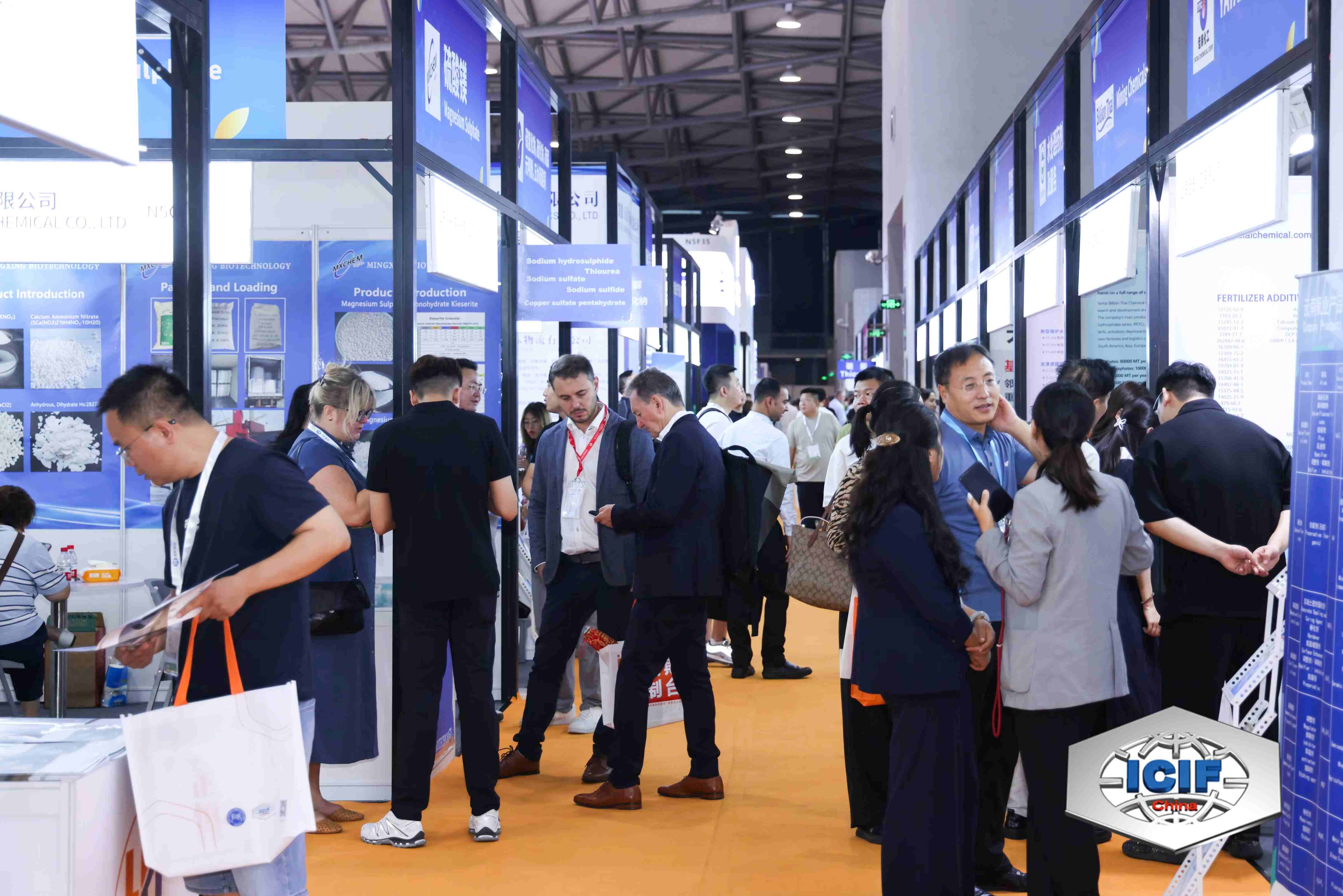
Choosing the right supplier for lab reagents or industrial components isn't just about price—it's about trust and consistency. A single subpar batch can disrupt research or halt production, so taking time to thoroughly evaluate potential partners pays off. Look beyond glossy brochures and dig into their track record: how long have they been serving similar clients, and do they have deep expertise in your specific sector?
Start with the basics: verify certifications like ISO 9001 for general quality management, or more niche ones like GMP if you're in pharma. But paperwork alone isn't enough. Ask for client references, and don't just collect them—actually call and ask tough questions about on-time delivery, lot-to-lot consistency, and how they handle problems. A supplier that hesitates to share references is a red flag.
Finally, put their products to the test before committing. Request samples from multiple production runs, not just a one-off demo batch. For critical materials, arrange a site visit or a virtual walkthrough to see their facilities and meet the team. Building a relationship with a supplier who treats your success as their own goal makes all the difference when timelines get tight.
Direct from Manufacturers vs. Third-Party Distributors
Sourcing goods straight from the maker often strips away extra markups that pile up when multiple middlemen are involved. You’re not just paying for the item; you’re also footing the bill for each hand it passes through. A manufacturer can offer tighter control over quality, custom tweaks, and sometimes even packaging that speaks directly to your brand. But it’s not always a walk in the park—minimum order quantities can be steep, and lead times may stretch longer if production is overseas or backlogged.
Buying through a distributor, on the other hand, tends to simplify logistics. They hold inventory, break bulk, and often provide faster shipping since stock is already sitting in a nearby warehouse. The trade-off is less transparency around origin and a higher per-unit cost because the distributor needs their slice. Still, for businesses testing new markets or avoiding big upfront commitments, this route can feel less like a gamble.
In practice, many operations blend both approaches—core lines come direct to protect margins, while experimental products or small restocks flow through distributors. The real skill lies in weighing how much control and cost savings you truly need against the convenience of ready-to-ship inventory and simpler ordering.
Uncovering Hidden Value in Refurbished Instruments
A refurbished instrument isn’t simply a second-hand item; it’s a piece of precision engineering that’s been meticulously restored to meet original performance standards. When you look beyond the “used” label, you discover equipment that has undergone rigorous testing, part replacements, and recalibration by skilled technicians. This process often uncovers hidden value that brand-new models can’t offer: the blend of seasoned craftsmanship and modern reliability, all at a significantly reduced cost.
The true worth of refurbished instruments lies in their untold stories and proven durability. Many come from professional environments where they were maintained with care, or from demo units that barely saw real-world use. By choosing refurbished, you tap into a supply chain where components are inspected more thoroughly than in mass production lines. Small imperfections in housing are irrelevant when the core functionality surpasses factory tolerances, and the savings can be redirected into accessories or extended training.
Uncovering this hidden value requires a shift in perspective. Instead of chasing the newest serial number, focus on the documented service history and the warranty that reputable refurbishers provide. You’re not settling for less—you’re gaining an instrument that has been individually validated, often by the very hands that understand its design. The result is a tool that performs with quiet confidence, proving that hidden value is not about age, but about the careful attention that breathes new life into each device.
Smart Sourcing for Specialized Chemical Technologies
Finding the right partner for niche chemical technologies isn’t just about ticking boxes on a supplier list. It demands an ear tuned to subtle market shifts and a willingness to dig beyond conventional catalogs. Too often, promising formulations get buried in academic journals or small-batch labs that never see the light of mainstream procurement channels. We look where others don’t, turning over stones in emerging tech clusters and cross-industry spillovers to surface materials that solve your toughest performance gaps.
The process goes deeper than sample evaluation. We map each candidate against your production ecosystem—stability under your specific operating windows, compatibility with downstream catalysts, and long-term supply resilience. That means on-site technical dialogues, not just spec sheets. One recent engagement uncovered a surface-active agent originally developed for food processing that, with minor tweaks, improved yield by 15% in a client’s polymerization line. Discoveries like these rarely come from standard vendor databases.
Equally important is the human fabric behind the technology. We assess the R&D teams’ agility, their ability to iterate, and how they handle regulatory curveballs. This pre-qualification weeds out those who can’t scale or maintain consistency when demand spikes. The aim isn’t a one-time transaction; it’s a living supply link that adapts as your processes evolve, mitigating risk without shackling you to a single source.
Building a Reliable Procurement Strategy
A procurement strategy that truly holds up over time isn’t about chasing the lowest price—it’s about mapping the quiet risks that most teams overlook. Start by tracing every critical input back to its origin, then ask what happens if that origin goes silent for a week, a month, or longer. The answers often reveal uncomfortable gaps that spreadsheets alone can’t capture.
Seasoned buyers know that reliability lives in the relationships, not just the contracts. Cultivate a small circle of suppliers who understand your tolerance for disruption and are willing to share early warnings when their own supply chains tighten. It’s the off-the-record conversations before a crisis that let you pivot before the rest of the market even notices a shortage.
Finally, bake adaptability into the process itself. Instead of locking into rigid annual agreements, structure deals with pre-negotiated fallback clauses that trigger when lead times stretch or input costs spike. Pair this with quarterly scenario planning—not as a formality, but as a genuine stress test—and you turn your procurement function from a cost center into a strategic shield.
FAQ
Focus on material compatibility, safety certifications, and after-sales support. It’s tempting to just compare prices, but reliability under process conditions matters more long-term.
Yes, many reputable platforms specialize in industrial equipment. Just vet the seller’s history and request documentation like ISO certificates before committing.
Check trade directories like Kompass or Thomasnet, or attend virtual expos. Many manufacturers now have global distribution networks and can handle export logistics.
Refurbished can save money if the unit was well-maintained and comes with a warranty. For critical applications, new gear often offers better compliance with the latest standards.
Germany and Japan are known for precision engineering, while China and India offer cost-effective alternatives without sacrificing essential quality if vetted properly.
Ask for a live video tour of their facility, check third-party reviews, and always use secure payment methods. A legitimate supplier won’t pressure you to skip due diligence.
Not always, but if you’re scaling up or buying specialized systems, a sourcing agent can save time and prevent costly mismatches.
Conclusion
Finding the right chemical equipment and technology starts with a clear view of the marketplace, where both established manufacturers and specialized distributors offer distinct advantages. When navigating this landscape, the choice between buying direct and going through third-party channels often comes down to your need for customization versus immediate availability. Vetting suppliers thoroughly is non-negotiable—look beyond glossy catalogs to assess their technical support, compliance with industry standards, and real-world reputation among peers. Many labs overlook the potential of refurbished instruments, yet certified pre-owned equipment can deliver substantial savings without sacrificing performance, provided you verify service histories and calibration records. For cutting-edge or niche technologies, smart sourcing means tapping into networks of innovation hubs, academic partnerships, or international suppliers that rarely advertise broadly.
A reliable procurement strategy doesn't happen by chance; it blends these elements into a coherent plan. Start by mapping your technical requirements against supplier capabilities, and build relationships that encourage transparency around lead times and after-sales service. Diversifying your sourcing channels—mixing direct purchases, distributors, and even trusted refurbished vendors—helps mitigate supply chain risks. Ultimately, the best place to purchase is rarely a single destination; it's a dynamic network of vetted partners that align with your operational goals and budget constraints, ensuring you get the right technology at the right time without hidden compromises.
Contact Us
Contact Person: Shaozhen Zhou
Email: [email protected]
Tel/WhatsApp: 0086-18612117599
Website: https://en.icif.cn/