Lauryl Alcohol Ethoxylate: Key Applications and Benefits in Modern Industry
2026-03-02
In today's fast-evolving industrial landscape, the search for versatile and efficient surfactants has never been more critical. Among these, Lauryl Alcohol Ethoxylate stands out as a powerhouse ingredient, driving innovation across sectors from cosmetics to cleaning. At POLYKEM, we're excited to explore its transformative applications and benefits that make it a cornerstone of modern processes. This blog post delves into why Lauryl Alcohol Ethoxylate is not just a chemical compound, but a catalyst for sustainability and performance. Ready to uncover the secrets behind its widespread industry adoption? Let's dive in and discover how it's shaping the future—read on to learn more.
Exploring the Versatile Role of Lauryl Alcohol Ethoxylate in Formulations
Lauryl alcohol ethoxylate, often recognized for its dual hydrophilic and lipophilic characteristics, plays a pivotal role in modern formulation chemistry. Its molecular structure, derived from lauryl alcohol and ethylene oxide, allows it to act as a surfactant that effectively bridges water and oil phases. This property is crucial in products ranging from household cleaners to personal care items, where it helps stabilize emulsions and enhance cleaning power without leaving residues. Unlike simpler surfactants, lauryl alcohol ethoxylate adjusts to varying pH levels and temperatures, making it a reliable choice in diverse industrial and consumer applications.
In the realm of cosmetic formulations, lauryl alcohol ethoxylate shines by providing gentle yet effective cleansing. Its ethoxylation degree can be tailored to achieve desired properties, such as foaming or mildness, which is why it's frequently found in shampoos, facial cleansers, and body washes. By balancing mildness with strong emulsifying abilities, it ensures products are both user-friendly and efficient. This adaptability not only meets regulatory standards for safety but also aligns with consumer preferences for natural-feeling ingredients, setting it apart from harsher alternatives that might compromise skin health.
Beyond personal care, lauryl alcohol ethoxylate finds applications in agricultural adjuvants and industrial processes, where its versatility extends to improving pesticide efficacy or aiding in metal cleaning. Its ability to reduce surface tension and facilitate penetration makes it invaluable in formulations requiring deep action. With ongoing research into sustainable and biodegradable variants, this compound continues to evolve, offering environmentally friendly options that maintain performance. This ensures its enduring relevance in an industry increasingly focused on green chemistry and innovation.
How Lauryl Alcohol Ethoxylate Enhances Cleaning and Detergent Efficiency
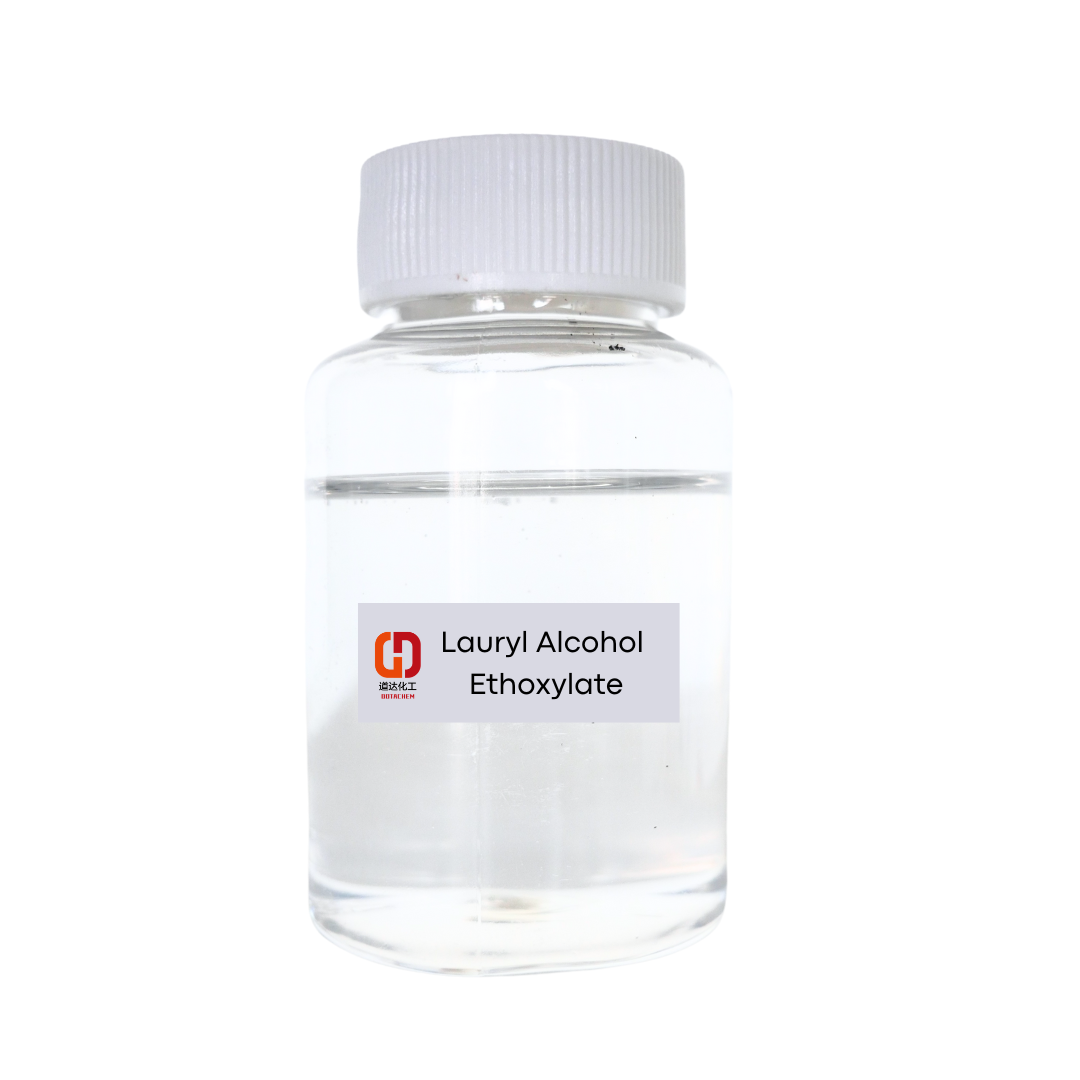
Lauryl alcohol ethoxylate works as a key surfactant by effectively reducing the surface tension of water, which allows it to penetrate dirt and grease more readily during cleaning processes. This molecular interaction helps emulsify oils and lift stains from fabrics or surfaces, making them easier to rinse away without leaving residues that can dull surfaces or reduce fabric softness over time.
In detergent formulations, its ability to function across a wide range of water temperatures and hardness levels ensures consistent cleaning performance in various conditions. Unlike some surfactants that may lose efficacy in hard water, lauryl alcohol ethoxylate maintains its activity, preventing soap scum buildup and enhancing the overall efficiency of cleaning agents in both household and industrial settings.
Beyond basic cleaning, this compound contributes to foam stability and viscosity control in products, balancing sudsing with rinseability for user-friendly applications. Its biodegradability and lower environmental impact compared to harsher chemicals make it a preferred choice in eco-conscious formulations, supporting sustainable cleaning solutions without compromising on effectiveness.
Environmental and Safety Advantages of Lauryl Alcohol Ethoxylate
One standout benefit of lauryl alcohol ethoxylate is its biodegradability. This surfactant breaks down more readily in the environment compared to some traditional alternatives, reducing long-term ecological impacts. Whether used in household cleaners or industrial formulations, this feature helps minimize water pollution and supports sustainable product development without compromising on cleaning power.
From a safety standpoint, lauryl alcohol ethoxylate is noteworthy for its low toxicity. It's generally gentle on skin and less harmful if accidentally ingested or inhaled, making it a preferred choice in products like shampoos and detergents where user exposure is common. Manufacturers appreciate its reduced need for harsh handling precautions, which streamlines production processes and enhances workplace safety.
Furthermore, its versatility allows it to replace harsher chemicals in many applications, contributing to greener formulations. By integrating this surfactant, companies can often achieve effective cleaning or emulsifying results while aligning with increasing consumer demand for eco-friendly and safer ingredients, giving products a competitive edge in today's market.
Innovations and Customization in Lauryl Alcohol Ethoxylate Applications
Recent advancements in surfactant technology have led to innovative applications of lauryl alcohol ethoxylates, particularly in sustainable cleaning products. Manufacturers are now tailoring these compounds to enhance biodegradability and reduce environmental impact, meeting stringent regulatory standards while maintaining high performance. For instance, custom formulations integrate lauryl alcohol ethoxylates with natural additives to create eco-friendly detergents that offer superior grease removal without harsh chemicals.
In the cosmetics industry, customization of lauryl alcohol ethoxylates has unlocked new possibilities for personal care items. By adjusting the ethoxylation degree, companies can fine-tune properties like foaming ability and mildness, resulting in products such as gentle shampoos and moisturizers. This tailored approach not only improves user experience but also addresses specific skin types, making these surfactants versatile and highly sought-after in niche markets.
Another innovative trend involves using lauryl alcohol ethoxylates in agricultural formulations to boost pesticide efficiency. Customized blends act as effective wetters and spreaders, ensuring even coverage on plant surfaces and enhancing the uptake of active ingredients. This application demonstrates how precise modification of these compounds can solve real-world challenges, driving efficiency and sustainability in diverse sectors beyond traditional cleaning.
Economic Impact and Cost-Effectiveness in Industrial Settings
In industrial environments, understanding economic impact and cost-effectiveness isn't just about crunching numbers—it's a strategic necessity. By analyzing how investments in technology, workforce training, or process improvements translate into tangible outcomes, businesses can identify hidden inefficiencies and unlock untapped potential. This approach shifts the conversation from mere cost-cutting to value creation, fostering a culture where every dollar spent is scrutinized for its long-term return, not just immediate savings.
What sets effective industrial settings apart is their ability to integrate cost-effectiveness into everyday operations. Instead of relying on periodic audits, they implement real-time monitoring systems that track everything from energy consumption to equipment downtime. This proactive stance helps mitigate unforeseen expenses, such as those from supply chain disruptions or regulatory changes, ensuring that economic resilience is built into the core of their operations.
Balancing economic impact with sustainability is another critical factor that modern industries are embracing. By adopting green technologies, companies not only reduce operational costs—like through lower utility bills—but also enhance their brand reputation and attract eco-conscious partners. This dual focus demonstrates that cost-effectiveness isn't just about saving money today; it's about investing in practices that secure a competitive edge for years to come.
Future Trends and Emerging Uses for Lauryl Alcohol Ethoxylate
Looking ahead, the market for lauryl alcohol ethoxylate is gearing up for significant shifts driven by sustainability and performance demands. As industries increasingly prioritize eco-friendly alternatives, there's a push toward developing bio-based or renewable versions of this surfactant, which could reduce environmental footprints while maintaining effectiveness. Innovations in chemical processes are also expected to enhance its biodegradability, aligning with stricter regulations and consumer preferences for greener products.
On the emerging uses front, lauryl alcohol ethoxylate is finding new roles beyond traditional sectors like detergents and personal care. In pharmaceuticals, for instance, it's being explored as a potential excipient or emulsifier in drug formulations, thanks to its mildness and stability. Similarly, in advanced materials, it may play a part in nanotechnology applications, such as aiding in the synthesis of nanoparticles or improving their dispersion in various matrices.
Moreover, the rise of smart manufacturing and digitalization is likely to influence how this surfactant is produced and used. With trends like Industry 4.0, there's potential for more precise control over ethoxylation processes, leading to tailored products with specific properties for niche markets. This adaptability could open doors in areas like agriculture, where specialized formulations might enhance pesticide efficacy or soil conditioning, reflecting a broader move toward multifunctional solutions.
FAQ
Lauryl Alcohol Ethoxylate is a surfactant derived from lauryl alcohol, which is often sourced from coconut or palm oil through ethoxylation, where ethylene oxide is added to enhance its water-solubility and performance in formulations.
It works by lowering surface tension, allowing detergents to penetrate dirt and grease more effectively—think of how dish soaps cut through oily residues without harsh scrubbing, making household cleaners both efficient and gentle on surfaces.
Beyond cleaning, it serves as an emulsifier in textile processing to ensure dyes distribute evenly, a wetting agent in agrochemicals to boost herbicide absorption, and a stabilizer in metalworking fluids to prevent corrosion and improve lubrication.
Its mildness and compatibility with skin make it ideal for shampoos and body washes, where it creates rich lather without stripping natural oils, while also aiding in fragrance dispersion and product consistency.
As a biodegradable surfactant, it reduces environmental impact compared to synthetic alternatives, and its efficiency means lower dosages are needed, cutting down on chemical waste and supporting greener industrial practices.
In agriculture, it's added to pesticide sprays to enhance coverage on plant leaves, ensuring active ingredients stick better and reduce runoff—like how a raincoat helps water bead off, but in reverse to maximize absorption.
Its blend of effective cleaning, low toxicity, biodegradability, and cost-effectiveness provides a balanced solution that outperforms many alternatives, giving formulators a reliable ingredient for diverse product lines.
Conclusion
Lauryl Alcohol Ethoxylate (LAE) finds versatile applications across modern industries, primarily in formulations that enhance cleaning and detergent efficiency. By acting as a surfactant, it effectively reduces surface tension and emulsifies oils and greases, making it integral to household and industrial cleaners. Beyond cleaning, LAE's customizable properties allow for innovative uses in cosmetics, agriculture, and pharmaceuticals, where its role in stabilizing mixtures and improving penetration is highly valued. This adaptability underscores its economic impact, offering cost-effective solutions through improved performance and reduced usage in various industrial settings.
The environmental and safety advantages of Lauryl Alcohol Ethoxylate contribute significantly to its growing adoption. Compared to traditional surfactants, it demonstrates better biodegradability and lower toxicity, aligning with sustainability goals. Future trends indicate emerging applications in biotechnology and green chemistry, driven by ongoing innovations and customization. As industries prioritize eco-friendly and efficient materials, LAE's ability to balance effectiveness with safety positions it as a key component in advancing modern industrial practices, promising continued relevance and expanded uses.
Contact Us
Contact Person: Levi
Email: [email protected]
Tel/WhatsApp: +86 532 84688720
Website: https://www.polykem-intl.com