

Top Food Grade Anti-Caking Silica: Prevent Clumping Naturally
2026-05-16
Ever wondered why your powdered spices flow effortlessly without clumping? The secret lies in food-grade anti-caking silica, a natural solution that keeps ingredients free-flowing. At Zhonglian, we harness the power of premium silica to ensure your food products stay fresh and lump-free. Discover how this unsung hero works and why it's a must-have for any kitchen or manufacturing line.
Why Your Spices Clump and How Silica Keeps Them Free-Flowing
Ever noticed how your favorite paprika or garlic powder turns into a solid block after sitting in the cabinet for a while? It’s not just you—spices are naturally hygroscopic, meaning they love to pull moisture from the air. That moisture acts like glue, binding the tiny particles together until they form stubborn clumps that refuse to shake out. Even a hint of steam from a nearby stovetop can kickstart the process, leaving you with a spice jar that needs a chisel instead of a spoon.
The science is simple: most powdered spices are loaded with organic compounds like starches and fibers that readily absorb water vapor. Once enough moisture sneaks in, the surface tension of the water creates bridges between particles, and those bridges harden over time. This is why ground cinnamon and onion powder are especially prone to clumping, while coarse salts and whole seeds barely change at all. Humidity fluctuations in your kitchen only make it worse, softening and re-hardening the powder repeatedly until it becomes practically solid.
This is where silica gel packets enter the picture—those little sachets you often find in packaged foods or shoeboxes. While you shouldn’t open them and mix the contents directly with your spices, placing a food-safe silica desiccant inside a larger spice container can dramatically reduce moisture levels. Silica has a massive internal surface area that attracts and traps water molecules, effectively creating a dry microclimate around your spices. The result is easy-to-pour, free-flowing seasoning every time you reach for it, without any hard clumps or wasted product.
The Edible Mineral: Understanding Food-Grade Silica Purity
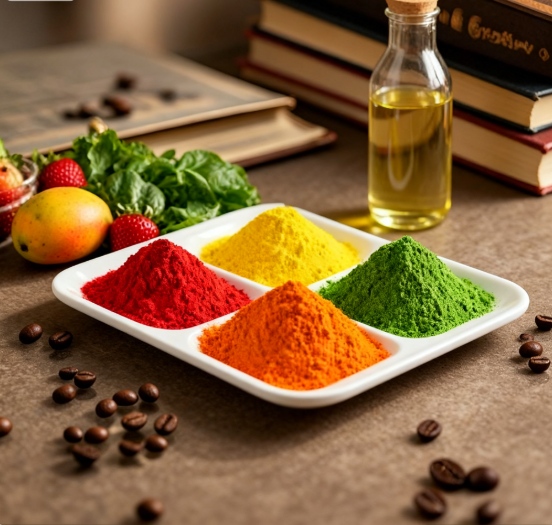
Silica, or silicon dioxide, ranks among the most abundant minerals on Earth, yet only select grades qualify as food-grade. What sets it apart is rigorous refinement that eliminates crystalline forms—linked to respiratory concerns—while retaining the amorphous, porous structure ideal for anticaking and clarifying agents. This purity threshold isn't just a number; it's defined by standards like the FCC or JECFA, ensuring heavy metals like arsenic and lead hover below single-digit parts per million. For manufacturers, navigating these specifications means treating silica not as a simple additive but as a meticulously processed ingredient where particle size distribution and surface area directly influence functional performance.
The journey to high-purity food-grade silica often starts with natural quartz or diatomaceous earth, but the transformation is chemical and thermal. Acid washing strips away unwanted mineral companions, while controlled precipitation or thermal processing builds the amorphous network. The result is a bright white powder that passes strict solubility tests and stays inert in food systems—from powdered seasonings to vitamin blends. Even trace residues matter here, as residual reactants or crystalline byproducts can disqualify an entire batch. It's a realm where seemingly minor deviations in pH or conductivity can hint at contaminants that sensory panels might later detect as off-notes.
Today's scrutiny goes beyond basic composition. The interplay between silica's purity and its functionality is evident when it prevents lumping in dry mixes or stabilizes emulsions without clouding a beverage's appearance. This dual demand—chemical cleanliness and physical consistency—pushes suppliers to adopt real-time monitoring from raw material intake to final packaging. In an era where transparency is paramount, a silica spec sheet is more than a formality; it's a story of provenance, process control, and a commitment to keeping the mineral's natural edge while erasing any hint of its geological past's impurities.
From Protein Powders to Seasonings: Versatile Uses of Anti-Caking Silica
In the world of powdered supplements, nothing frustrates a consumer more than a scoop of protein powder that has turned into a solid brick. Anti-caking silica steps in as an invisible workhorse, coating individual particles to prevent them from clumping together due to moisture or static. It keeps the powder flowing freely, ensuring that each serving mixes smoothly into shakes without leaving behind gritty lumps. Beyond convenience, this simple additive preserves the texture and shelf life, making it a staple in everything from whey isolates to plant-based blends.
Seasoning blends and dry soup mixes present a different challenge: they need to pour evenly and dissolve perfectly, otherwise your dinner might be a clumpy disappointment. Here, silica acts as a fine-divided spacer that absorbs excess moisture coming from ingredients like onion powder or salt, which are notorious for drawing humidity. The result is a free-flowing product that sprinkles uniformly over popcorn, meats, or into sauces, even after months in a spice cabinet. It does all this without altering taste or color, merely doing its job in the background.
The versatility of this unassuming compound extends into realms like powdered drink mixes, instant coffee, and even grated cheese blends, where it prevents caking while enabling accurate portion control. By tackling the universal problem of particle adhesion, silica helps manufacturers deliver consistent quality—from the gym to the kitchen pantry. It’s a small addition with an outsized impact, quietly ensuring that everyday cooking and nutrition stay effortless.
Moisture Absorption Magic: The Science Behind Silica's Natural Action
Silica's secret lies in its vast network of microscopic pores, which together create an enormous internal surface area—often exceeding 800 square meters per gram. This sponge-like structure doesn't just hold water on the surface; it pulls moisture deep into its cavities through a process called physical adsorption.
Water molecules in the air are naturally drawn to the silica surface by weak electrical forces known as van der Waals interactions. Once inside the pores, capillary condensation can occur, where humidity transforms into liquid-like films even below the dew point. This multilayered behavior allows silica to trap moisture steadily over time, effectively lowering the surrounding humidity.
Unlike chemical desiccants that bind water through reactive changes, silica remains inert. It doesn't swell, dissolve, or degrade; it simply collects water until it saturates. That's why a dry packet of silica can absorb up to roughly 40% of its weight in water, making it remarkably efficient for its size.
Anti-Caking Silica vs. Other Agents: A Clean-Label Comparison
When you scan ingredient lists, anti-caking agents often lurk in powdered foods, spices, and supplements. Traditional options like sodium aluminosilicate or calcium silicate do the job, but they carry chemical-sounding names that can unsettle label-conscious shoppers. Silica—specifically amorphous silicon dioxide—offers a route to cleaner labeling. Derived from naturally occurring quartz and processed into a fine powder, it reads simply as “silicon dioxide” on a package, a term many consumers recognize as a mineral rather than a synthetic additive.
The difference goes beyond perception. Silica is a remarkably efficient flow agent; its high surface area and porosity absorb moisture and coat particles to prevent clumping without altering taste or color. Many synthetic alternatives can impart off-notes or require higher usage rates. Moreover, silica is generally recognized as safe (GRAS) by the FDA and doesn’t raise the same concerns associated with aluminum-based compounds, which some clean-label advocates actively avoid. This makes silica a preferred choice for brands aiming to keep their recipes simple and transparent.
In side-by-side shelf-life tests, silica often matches or outperforms other anti-caking agents in maintaining free-flowing powders under humid conditions. It also contributes to a shorter ingredient list—a key clean-label advantage. While no single solution fits every product, silica’s naturally derived origin and straightforward chemical profile help manufacturers bridge the gap between performance and consumer trust.
Simple Tips for Using Anti-Caking Silica in Homemade Mixes
Adding anti-caking silica to your homemade seasoning blends or baking mixes can be a game-changer, but it’s all about the right touch. A pinch too much and your mix might feel gritty instead of silky, so start with just a whisper—about 1% to 2% of the total weight of your dry ingredients. If you’re working with hygroscopic offenders like powdered sugar or onion powder, err on the higher side, but always sift the silica in gently to avoid clumps. The trick is to coat each particle without overwhelming the blend, ensuring it stays free-flowing even in humid kitchens.
Humidity is the silent saboteur here, and silica works best when introduced before moisture sneaks in. Mix your anti-caking agent with the driest components first, usually the starches or crystalline ingredients, then fold in the more absorbent powders. This early distribution lets the silica set up a microscopic barrier, preventing the sticky lumps that ruin a good spice rub or pancake mix. If your homemade stash still cakes after a week, try doubling the silica cautiously—but remember, a little goes a long way, and overdoing it dulls flavors.
Storage habits seal the deal: even with silica, an airtight container is non-negotiable. Skip the fancy containers with loose seals and opt for glass jars with silicone gaskets. Pop a food-safe silica packet in there for extra insurance—the kind you find in seaweed snacks, not the industrial desiccant. And give your mix a quick shake or stir every few days; it resets any incipient clumping and keeps the silica evenly dispersed, so your creations stay sprinklable and fresh-tasting longer.
FAQ
It's a purified form of silicon dioxide derived from natural sources like quartz. The particles are ultra-fine and porous, which allows them to coat food particles and absorb excess moisture. This creates a barrier that stops particles from sticking together, keeping powders free-flowing without any chemical reactions.
Yes, when it's labeled food grade, it's been rigorously tested and approved by food safety authorities worldwide. It passes through the digestive system without being absorbed and is generally recognized as safe. The main concern is inhaling the fine powder during handling, not ingestion, so just avoid breathing it in directly.
You'd spot it in many dry mixes like instant coffee, protein powders, seasonings, baking powder, and grated cheese. It's also common in powdered sugar, dried soups, and spice blends to keep them from turning into a solid block in humid conditions.
Natural silica is chemically identical to the synthetic version but often preferred for clean-label products. It performs just as well in moisture control, but some manufacturers choose it to appeal to consumers seeking minimally processed ingredients. Both are effective, but natural grades may have a slightly coarser texture depending on the source.
In excessive amounts, it might impart a slight grittiness or dry mouthfeel. When used within recommended limits—typically less than 2% of the food's weight—it's virtually undetectable. Skilled food formulators balance it precisely to avoid any sensory changes while maintaining flowability.
Seek out products that list 'silicon dioxide' with a natural origin note, or those certified by third-party organizations for additive purity. Transparent brands often mention the source, like 'from mineral quartz'. A vague 'anti-caking agent' without details may indicate a synthetic or lower-grade additive, so reading the full ingredient panel helps you make an informed choice.
Conclusion
Few kitchen frustrations rival reaching for a spice jar only to find the contents locked into a solid brick. That clumping occurs when tiny particles of salt, garlic powder, or even protein blends pull moisture from the air, causing crystals to bridge together. Food-grade anti-caking silica steps in by physically separating those particles with its porous, sponge-like structure while trapping ambient moisture before it can cause trouble. Composed of amorphous silicon dioxide, this edible mineral is chemically inert, tasteless, and rigorously purified to meet safety standards, so its presence remains invisible—no off-flavors, no grit, just free-flowing consistency whether in commercial seasoning blends or a homemade chili mix. Because it functions through simple physical processes rather than complex chemical additives, it aligns naturally with clean-label demands, offering a straightforward solution many home cooks are already relying on without realizing it.
Unlike some traditional anti-caking agents that rely on aluminum compounds or starches prone to fermentation, silica’s mechanism is purely mechanical, soaking up moisture and acting like millions of microscopic ball bearings between food particles. This versatility shines across products from grated cheese to powdered sports supplements, all benefiting from extended shelf life and improved pourability. For DIY enthusiasts working with homemade taco seasoning or pancake mix, just a light whisk of silica at around 1-2% by weight keeps everything blendable for months, with no impact on taste or nutrition. Understanding the difference between industrial-grade and food-approved silica makes all the difference: the latter’s high purity ensures it passes through the digestive system unchanged, leaving behind only the smooth texture you intended. It’s a quiet workhorse in the pantry, delivering practical results with the kind of understated reliability that good ingredients deserve.
Contact Us
Contact Person: Levin Wang
Email: [email protected]
Tel/WhatsApp: 8618668999988
Website: https://www.silicaplant.com/