Can Delta Tetradecalactone CAS 2721-22-4 Be Used in Vegan Cosmetics
2026-07-14
As the clean beauty movement accelerates, formulators increasingly ask whether classic aroma ingredients align with plant-based ethics. Delta Tetradecalactone CAS 2721-22-4—a creamy, fatty lactone prized for coconut and peach nuances—now faces scrutiny: can this synthetic molecule earn a place in vegan cosmetic formulations? At Odowell, a Fragrance solution provider with deep expertise in sensory science, we dissect the chemistry, sourcing ethics, and regulatory reality behind this ingredient.
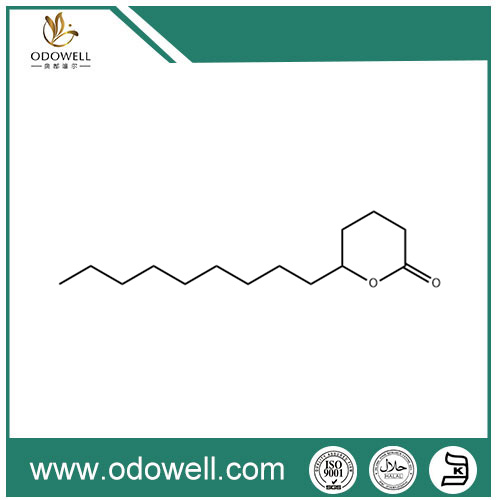
What Is Delta Tetradecalactone CAS 2721-22-4?
Chemically, Delta Tetradecalactone CAS 2721-22-4 is a cyclic ester (δ-lactone) with a 14-carbon chain. It occurs naturally in butter, milk, and coconut meat, yet commercial supplies are almost exclusively produced via ring-closing reactions from fatty acid precursors. This synthetic route bypasses animal-derived raw materials entirely—a critical first checkpoint for vegan compliance.
| Property | Detail |
|---|---|
| IUPAC Name | 6-Hexyloxan-2-one |
| Molecular Weight | 226.31 g/mol |
| Odor Profile | Creamy, coconut, buttery, peach-like |
| Solubility | Insoluble in water; soluble in oils and ethanol |
| Natural Occurrence | Coconut oil, butterfat, heated dairy |
The Vegan Status: Synthetic Does Not Equal Non-Vegan
Vegan cosmetics prohibit ingredients derived from animals or involving animal testing. Since Delta Tetradecalactone CAS 2721-22-4 is manufactured through chemical synthesis (typically from castor oil-derived sebacic acid or petrochemical intermediates), it contains no animal tissues, secretions, or byproducts. The production pathway uses no enzymes, emulsifiers, or carriers of animal origin.
However, three practical barriers can disqualify it:
-
Carrier solvents – If diluted in propylene glycol (often plant-based) or animal-derived glycerin (rare today).
-
Testing policies – Brands must verify suppliers avoid post-2023 animal testing (EU/UK/China regulations now permit alternative methods).
-
Co-manufacturing – Cross-contamination with non-vegan lines requires documented cleaning validation.
Odowell maintains segregated production for all Delta Tetradecalactone CAS 2721-22-4 batches, with certified vegan documentation upon request.
Why Formulators Choose This Lactone for Vegan Bases
Vegan creams and lotions often lack the rich mouthfeel and warmth that dairy fats provide. Delta Tetradecalactone CAS 2721-22-4 bridges that gap at 0.05–0.5% usage:
-
Masking – Covers earthy notes from plant proteins (pea, oat, hemp).
-
Fixative – Extends top-note longevity in natural perfumes.
-
Stability – Resists oxidation better than unsaturated aldehydes.
| Application | Recommended Level | Sensory Effect |
|---|---|---|
| Vegan body lotions | 0.1–0.3% | Adds whipped-cream roundness |
| Plant-based shampoos | 0.05–0.15% | Softens sulfate harshness |
| Natural deodorants | 0.2–0.4% | Masks bicarbonate alkalinity |
| Cruelty-free fine fragrances | 0.5–2.0% (trace) | Builds coconut-petal harmony |
Regulatory and Sourcing Considerations
China’s current cosmetic ingredient inventory (IECIC 2021) lists Delta Tetradecalactone CAS 2721-22-4 without restrictions, provided purity exceeds 98% and residual solvents meet GB/T standards. For global exports, IFRA and EU Cosmetic Regulation 1223/2009 impose no usage caps—only good manufacturing practice.
As a Fragrance solution provider, Odowell sources this molecule from ISO 22716-certified facilities, offering full traceability from raw C12–C16 feedstocks to final distillation. Every batch undergoes GC-MS analysis with a certificate of analysis (COA) that explicitly states “no animal-derived inputs.”
Expert Verdict: Yes, With Due Diligence
Delta Tetradecalactone CAS 2721-22-4 is inherently vegan-compatible. The caveats lie in formulation hygiene—not the molecule itself. Brands should request:
-
Written supplier declarations under EU Directive 2018/2006.
-
Third-party lab reports for heavy metals and phthalates.
-
Halal/Kosher certificates (optional but reinforce ethical sourcing).
Odowell provides all three with every commercial order, alongside stability data in 20+ plant-based oil systems.
FAQ: Delta Tetradecalactone CAS 2721-22-4
Q1: Is Delta Tetradecalactone CAS 2721-22-4 naturally derived or synthetic?
A: Most commercial Delta Tetradecalactone CAS 2721-22-4 is synthetically produced via acid-catalyzed lactonization of 6-hydroxy tetradecanoic acid. While it occurs in nature (coconut, butter, heated milk), isolation from natural sources is economically unviable and ecologically questionable. The synthetic version is chemically identical, non-GMO, and requires no animal-derived catalysts. Odowell guarantees that our supply chain uses only petrochemical or castor-oil feedstocks, with no animal enzymes or fermentation broths involved.
Q2: Can a vegan-certified logo (e.g., PETA, Vegan Society) be applied to products containing this ingredient?
A: Yes—provided the finished product avoids other non-vegan components (beeswax, lanolin, carmine, collagen, etc.) and the manufacturer has not conducted animal safety tests. Delta Tetradecalactone CAS 2721-22-4 itself is a permitted ingredient under the Vegan Society’s criteria, as its synthesis does not involve animal-derived matter. Odowell offers a vegan compliance dossier that includes raw material declarations, manufacturing flow charts, and cross-contamination prevention records to support your certification application.
Q3: What are the common adulterants or hidden animal-derived carriers to watch for?
A: The neat Delta Tetradecalactone CAS 2721-22-4 is safe. However, pre-diluted versions (e.g., 10% in DEP or IPM) may use carriers of animal origin—though this is extremely rare. More critically, some suppliers add tocopherol (often soy-derived) or BHT (synthetic) as stabilizers; neither is animal-based. The real risk is shared equipment: if the same reactor produces musk ketone with gelatin binders or ambergris substitutes, residues could transfer. Odowell uses dedicated stainless-steel vessels for all lactone production, with validated CIP (clean-in-place) protocols and swab-test results available per batch.
Why Partner With Odowell for Vegan Lactones?
-
100+ aroma chemical manufacturers vetted for ethical operations.
-
10+ natural extract producers supplying complementary botanicals.
-
5+ specialty molecule developers focused on low-impact synthesis.
Our China fragrance ingredient network ensures competitive pricing without compromising on vegan integrity. We test every incoming raw material against 22 animal-derived markers (including stearic acid from tallow and glycerol from bone fat) using HPLC-ELSD.
Contact Us
Ready to formulate with confidence? Odowell delivers Delta Tetradecalactone CAS 2721-22-4 in neat form or custom dilutions, with full vegan declarations, IFRA compliance, and 3-day global sampling. Request your free 50g development sample and technical dossier today. Contact us through our website live chat—our fragrance chemists answer within 4 business hours. Let’s build cleaner, creamier, cruelty-free beauty together.