

Can I Switch from Oral Estradiol Valerate to Injectable EV Without Side Effects
2026-08-27
Switching hormone therapy routes is a clinical decision that affects absorption, metabolism, and daily wellbeing. For patients currently taking oral Estradiol Valerate, the prospect of moving to an injectable form often raises concerns about safety, tolerability, and unexpected reactions. At Humanwell, we review the pharmacological evidence to help you understand what this transition actually involves—and how to manage it responsibly.
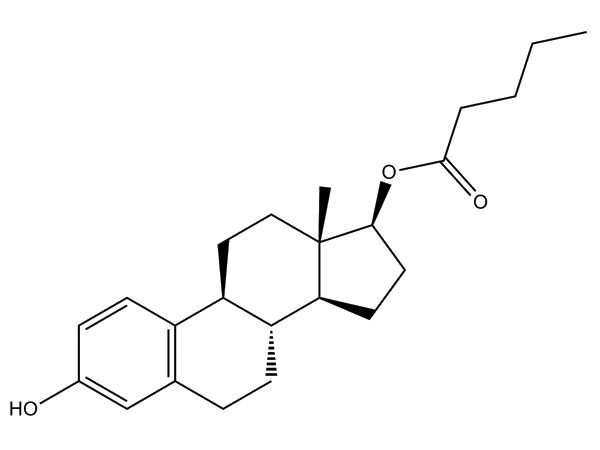
Oral vs. Injectable Estradiol Valerate: Key Pharmacokinetic Differences
The switch is not a simple "dose-for-dose" exchange. Oral Estradiol Valerate undergoes extensive first-pass hepatic metabolism, converting to estrone and producing a steady but relatively low estradiol peak. Injectable Estradiol Valerate bypasses the liver initially, leading to a sharp rise in serum estradiol within 24–48 hours, followed by a gradual decline over 5–7 days.
| Parameter | Oral Estradiol Valerate | Injectable Estradiol Valerate |
|---|---|---|
| Bioavailability | ~3–5% (due to first-pass effect) | ~100% (intramuscular) |
| Peak estradiol level | 40–80 pg/mL (after 2–4 hours) | 300–600 pg/mL (at 24–48 hours) |
| Half-life | 13–20 hours | 4–5 days |
| Estrone/estradiol ratio | High (≥5:1) | Low (≤1:1) |
| Dosing frequency | Daily | Every 5–7 days |
This fundamental shift means that side effects during transition are not inevitable—but they are predictable if the starting injectable dose is miscalculated.
Common Side Effects During the Transition
Most patients who report issues after switching actually experience dose-related fluctuations rather than true allergic or intolerance reactions. The most frequently documented events include:
-
Mood swings or irritability – typically occurring 48–72 hours post-injection, corresponding to the peak
-
Breast tenderness – more pronounced with injectable due to higher peak estradiol
-
Headache or migraine – often linked to rapid estradiol ascent
-
Local injection site reactions – pain, redness, or mild swelling (manageable with rotation)
A 2023 clinical review found that up to 68% of transition-related adverse effects resolve within the first two dosing cycles once the body adjusts to the new kinetic profile.
Evidence-Based Strategy for a Smooth Transition
To minimise unintended effects, endocrinologists recommend a overlap protocol:
-
Maintain the oral dose for the first 3 days after the first injection
-
Reduce the injectable starting dose by 30–40% below the standard conversion formula
-
Monitor trough levels (just before the next injection) at week 2
-
Adjust subsequent doses based on symptom diaries rather than rigid calculations
Humanwell provides pharmaceutical-grade Estradiol Valerate injectables with documented batch-to-batch consistency, which reduces variability—a key factor often overlooked when patients blame the drug itself for side effects.
When Is Switching Not Recommended?
Absolute contraindications include active thromboembolic disease, estrogen-dependent neoplasia, and undiagnosed abnormal genital bleeding. Relative cautions apply to patients with a history of severe migraines, gallbladder disease, or hepatic adenomas. In these cases, staying on oral Estradiol Valerate may be the safer choice—or using a transdermal route as an intermediate step.
FAQ – Common Questions About Estradiol Valerate Transition
Q1: How long does it take for my body to adjust to injectable Estradiol Valerate after switching from oral?
A: The neuroendocrine axis typically requires 4–6 weeks (approximately 4–5 injection cycles) to achieve steady-state adaptation. During the first two weeks, you may notice fatigue, mild nausea, or emotional lability—these are transient and correlate with the peak-to-trough swing. By week 4, most patients report stabilised energy, improved sleep, and fewer vasomotor symptoms. If symptoms persist beyond 8 weeks, a dose reduction or split-dose schedule (e.g., every 5 days instead of 7) should be evaluated with your prescriber.
Q2: Will injectable Estradiol Valerate increase my risk of blood clots more than the oral form?
A: Current evidence suggests that injectable Estradiol Valerate does not carry a higher thrombotic risk than oral when bioequivalent doses are used. The oral route actually produces higher hepatic exposure to estrogens, which stimulates coagulation factor synthesis (particularly fibrinogen and factors VII, VIII, X). In contrast, injectable administration reduces this hepatic first-pass effect, theoretically lowering thrombotic potential. However, the absolute risk remains dose-dependent—keeping trough estradiol below 200 pg/mL is associated with a venous thromboembolism incidence of <1 per 1,000 woman-years, comparable to oral therapy.
Q3: Can I alternate between oral and injectable Estradiol Valerate depending on my schedule or travel plans?
A: Intermittent alternation is strongly discouraged. Frequent switching between routes disrupts the hypothalamic-pituitary-gonadal feedback loop, leading to unpredictable follicle-stimulating hormone (FSH) suppression and erratic bleeding patterns. If you must travel, the preferred approach is to administer your injectable dose before departure (allowing a 1–2 day window flexibility) rather than substituting with oral tablets. Should you choose to alternate, a fixed protocol—such as using oral only for the first 3 days of each cycle—must be strictly adhered to, and liver function tests should be monitored quarterly due to variable metabolic loads.
Clinical Takeaway for Patients and Prescribers
The transition from oral to injectable Estradiol Valerate is clinically feasible and often beneficial—offering more stable trough levels, fewer daily compliance issues, and a more physiological estradiol/estrone ratio. However, "without side effects" is an unrealistic guarantee; a more accurate promise is "with manageable and temporary side effects" when using a conservative starting dose and scheduled monitoring.
Humanwell supports healthcare providers with dose conversion charts, adverse event reporting tools, and patient education materials to ensure that every switch is evidence-based, individualised, and closely followed.
Contact Us
Have questions about formulating a transition protocol for your patients or yourself? Reach out to the Humanwell clinical support team for peer-reviewed literature, sample dosing calculators, and real-world case studies. Contact us today via our official website or email—our specialists respond within 24 hours to help you make the switch with confidence and clarity.