

Can Icodextrin Improve Ultrafiltration in Peritoneal Dialysis
2025-12-18
For patients undergoing peritoneal dialysis (PD), managing fluid balance is a constant challenge. Effective ultrafiltration (UF) is crucial to remove excess fluid and waste products from the body. Icodextrin, a glucose polymer solution, represents a significant advancement in this field. Unlike conventional glucose-based solutions, Icodextrin offers prolonged and sustained ultrafiltration, especially during the long dwell times of automated peritoneal dialysis (APD) or continuous ambulatory peritoneal dialysis (CAPD). Deli, a dedicated provider of renal care solutions, offers a high-quality Icodextrin solution designed to support patients and clinicians in achieving better fluid management outcomes.
The efficacy of Deli Icodextrin stems from its unique pharmacokinetic profile. It creates a colloid osmotic pressure, drawing fluid across the peritoneal membrane over an extended period. This makes it particularly beneficial for patients with high or high-average transporter status who experience rapid glucose absorption and poor UF with standard solutions.
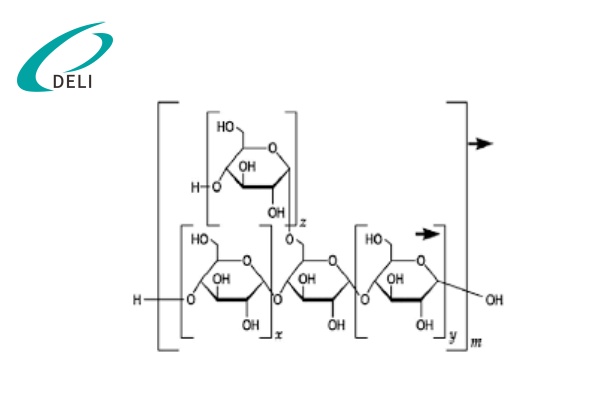
Key Product Parameters of Deli Icodextrin:
-
Active Ingredient: Icodextrin (7.5% solution).
-
Primary Indication: For the long dwell (8-16 hours) in peritoneal dialysis, typically the daytime exchange for APD or the overnight exchange for CAPD.
-
Mechanism: Provides sustained colloid osmotic ultrafiltration.
-
Key Benefit: Enhances fluid removal and reduces the risk of fluid overload.
-
Packaging: Sterile, pyrogen-free solution in standard bio-compatible bags.
Comparative Overview: Deli Icodextrin vs. Standard Glucose Solution
| Feature | Deli Icodextrin (7.5%) | Standard Glucose Solution (1.36%/2.27%/3.86%) |
|---|---|---|
| Osmotic Agent | Glucose Polymer | Glucose |
| Ultrafiltration Profile | Sustained, long-acting | Peak early, declines rapidly |
| Ideal Dwell Time | Long (8-16 hours) | Short to Medium (4-8 hours) |
| Impact on Blood Glucose | Minimal | Can significantly increase levels |
| Benefit for High Transporters | Excellent | Often inadequate |
Icodextrin FAQ Common Questions
Q: Can Icodextrin cause allergic reactions?
A: Serious allergic reactions are very rare. Some patients may experience mild, benign skin rashes, which often resolve without discontinuing therapy. It is important to report any new symptoms to your healthcare team at Deli or your clinic.
Q: How does Icodextrin affect blood sugar levels in diabetic patients?
A: Icodextrin is a significant advantage for diabetic PD patients. Since it is a large polymer, it is absorbed minimally into the bloodstream, causing negligible effects on blood glucose and insulin requirements compared to standard glucose solutions.
Q: Is Icodextrin suitable for every peritoneal dialysis patient?
A: While highly effective for long dwells, it is not a one-for-one replacement for all exchanges. It is specifically indicated for one long dwell per day. Your nephrologist will determine if Icodextrin, such as the solution from Deli, is appropriate for your specific dialysis prescription and membrane characteristics.
In conclusion, Icodextrin is a proven therapeutic agent that can significantly improve ultrafiltration in peritoneal dialysis, particularly for long dwell periods. By offering sustained fluid removal and a better metabolic profile, it contributes to improved patient outcomes and quality of life. Deli is committed to supporting this advancement with our reliable and high-standard Icodextrin product.
Contact us today to learn more about how Deli Icodextrin can be integrated into your peritoneal dialysis protocol. Reach out to our specialist team for detailed product information, clinical data, and distribution inquiries. Let us partner with you for better renal care.