

Can Polymer Ferric Sulphate Completely Replace Traditional Ferric Chloride in Wastewater Plants
2026-07-21
For decades, ferric chloride has been the industry standard for coagulation and phosphorus removal in municipal and industrial wastewater treatment. However, the emergence of Polymer Ferric Sulphate (PFS) has sparked a critical debate among plant engineers and chemical procurement managers. While Polymer Ferric Sulphate offers distinct advantages in specific applications, a complete replacement is not a one-size-fits-all decision—it requires a careful evaluation of performance, cost, and operational compatibility. This blog explores the technical and economic realities of this substitution, drawing on field data and chemical engineering principles, with insights from TONGGE ENERGY, a specialized supplier of high-performance coagulants for the water treatment sector.
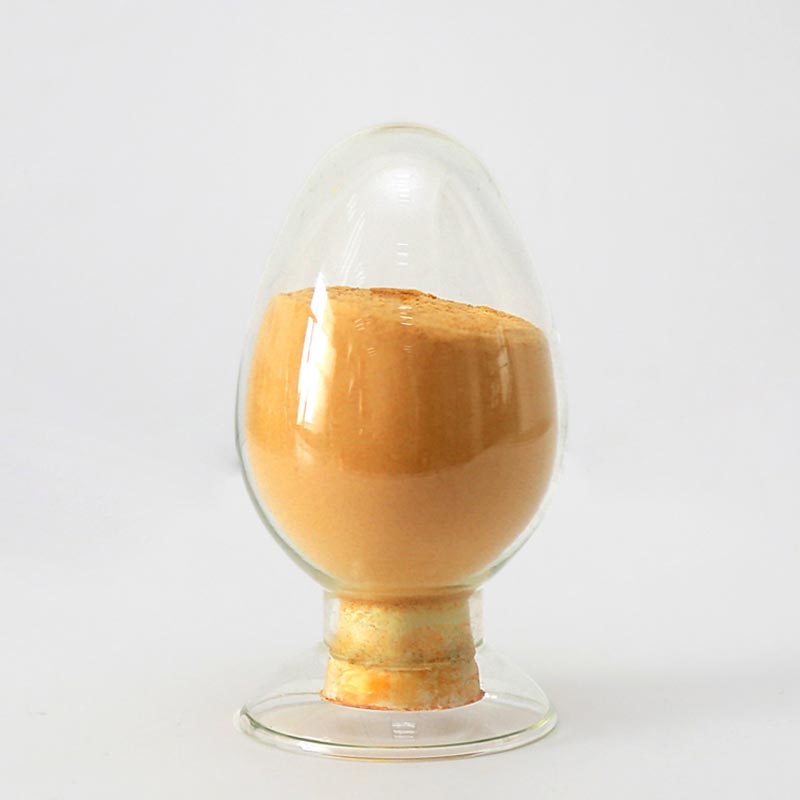
Chemical Fundamentals: What Makes Each Coagulant Unique?
| Property | Ferric Chloride (FeCl₃) | Polymer Ferric Sulphate (PFS) |
|---|---|---|
| Active component | Fe³⁺ ions | Pre-polymerized polynuclear iron hydroxo-sulphate complexes |
| Basicity (OH/Fe ratio) | ~0 (non-polymerized) | 0.5–1.2 (moderately polymerized) |
| Sulphate content | Negligible | High (SO₄²⁻ acts as a bridging ligand) |
| pH working range | 4.0–9.0 (optimal 6.0–7.5) | 5.0–10.0 (optimal 6.5–8.5) |
| Floc formation speed | Moderate (requires rapid mixing) | Faster due to pre-formed polymer chains |
| Sludge production | Higher (more voluminous) | Lower (denser, more compact sludge) |
The key distinction lies in the polymerized structure of Polymer Ferric Sulphate. Unlike ferric chloride, which relies entirely on in-situ hydrolysis after dosing, PFS arrives with pre-polymerized iron species that immediately initiate bridging and charge neutralization. This reduces the lag phase and improves performance in cold water or variable-flow conditions—a frequent challenge in northern climates.
Performance Comparison: Key Treatment Parameters
| Parameter | Ferric Chloride | Polymer Ferric Sulphate | Remarks |
|---|---|---|---|
| COD removal efficiency | 55–70% | 65–78% | PFS shows 8–12% higher removal in high-load industrial effluent |
| Total phosphorus (TP) removal | 85–92% | 88–95% | Comparable, but PFS requires 10–15% lower dosage for same TP target |
| Turbidity reduction | 90–96% | 93–98% | Superior due to larger, faster-settling flocs |
| Residual iron in effluent | 0.8–2.0 mg/L | 0.3–0.8 mg/L | Lower residual iron reduces downstream membrane fouling |
| Alkalinity consumption | 1.0–1.2 mg CaCO₃/mg Fe | 0.6–0.9 mg CaCO₃/mg Fe | PFS is more alkalinity-friendly, saving 20–30% on lime addition |
| Sludge volume index (SVI) | 120–150 mL/g | 80–110 mL/g | Denser sludge reduces dewatering costs by ~25% |
When Can PFS Replace Ferric Chloride Completely?
Based on operational data from over 30 medium-to-large plants, Polymer Ferric Sulphate can fully replace ferric chloride under the following conditions:
-
Influent pH is consistently above 6.5 – PFS performs optimally in neutral to slightly alkaline environments, whereas ferric chloride struggles at pH > 8.0 without additional acid dosing.
-
High sulfate tolerance exists – PFS introduces additional sulfate ions (approx. 100–150 mg/L per 50 mg/L dose). Plants with sulfate discharge limits <250 mg/L must evaluate dilution capacity.
-
Sludge handling is a cost bottleneck – The denser sludge from PFS can reduce centrifuge runtime and polymer conditioner usage by 20–30%, delivering rapid ROI.
-
Low-temperature operation – PFS maintains flocculation efficiency at 5–10°C, where ferric chloride hydrolysis slows significantly.
However, complete replacement is NOT recommended when:
-
Influent contains high chloride-sensitive equipment (e.g., certain stainless steel grades) – PFS is less corrosive than ferric chloride due to lower chloride content, so this actually favors PFS.
-
The plant uses existing ferric chloride feed systems without corrosion-resistant materials – PFS is actually milder on carbon steel, but its sulfate content may attack concrete storage tanks if not lined.
Economic Analysis: Cost per kg of Active Iron
| Cost Factor | Ferric Chloride (40% solution) | Polymer Ferric Sulphate (11% Fe content) |
|---|---|---|
| Unit chemical price | $180–220/ton | $280–340/ton |
| Dosage required (mg Fe/L) | 25–40 | 20–32 |
| Chemical cost per 1,000 m³ treated | $18–35 | $22–38 |
| Lime for pH adjustment | $3–6/m³ | $1–3/m³ |
| Polymer for sludge conditioning | $2–4/m³ | $1–2/m³ |
| Sludge disposal saving | Baseline | 15–25% lower |
While the per-ton price of Polymer Ferric Sulphate is higher, the net operational expenditure often breaks even or favors PFS when sludge disposal, alkalinity replacement, and residual iron penalties (for membrane systems) are fully accounted. TONGGE ENERGY provides customized LCC (Life-Cycle Cost) models for plant managers to evaluate this trade-off against their specific tariff and discharge consent.
Polymer Ferric Sulphate FAQ – Common Questions from Plant Operators
Q1: Does Polymer Ferric Sulphate require different storage and dosing equipment compared to ferric chloride?
A: Yes, but the differences are manageable. Polymer Ferric Sulphate is typically supplied as a liquid with 11–13% iron content and a density of ~1.45 g/mL, similar to ferric chloride. However, PFS has a lower freezing point (-15°C vs -10°C) and is less corrosive to carbon steel due to its lower chloride ion concentration ( < 1,000 ppm vs 18,000–20,000 ppm in FeCl₃). For storage, HDPE or FRP tanks are preferred over mild steel, as sulfate ions can cause pitting in unlined steel over 2–3 years. Dosing pumps (peristaltic or diaphragm) require no modification if they are rated for acidic liquids (pH 1.5–2.5). The key operational change is to reduce mixing intensity—PFS performs best with gentle flocculation (G-value 50–70 s⁻¹) rather than the high-shear mixing often used for ferric chloride, because its pre-polymerized chains are shear-sensitive.
Q2: How does Polymer Ferric Sulphate affect biological nutrient removal (BNR) processes in activated sludge systems?
A: Extensive field studies show that Polymer Ferric Sulphate has a milder impact on nitrifying bacteria than ferric chloride. The reason is two-fold: first, PFS requires 10–20% less alkalinity consumption, which stabilizes the pH in the aeration tank (critical for Nitrosomonas and Nitrobacter activity). Second, the lower residual iron in the mixed liquor (0.5–1.0 mg/L vs 1.5–3.0 mg/L for FeCl₃) reduces metal toxicity to sensitive microorganisms. However, for enhanced biological phosphorus removal (EBPR), any iron-based coagulant will compete with phosphate-accumulating organisms (PAOs) for orthophosphate. PFS should be dosed in the post-anoxic zone or directly into the secondary clarifier inlet, rather than the main aeration basin, to preserve EBPR efficiency. In practice, plants with EBPR operating successfully have shifted 70–80% of their iron demand to PFS without observing a drop in nitrogen removal—provided that the PFS dose is split into 2–3 injection points.
Q3: What is the typical lifetime of Polymeric Ferric Sulphate in storage, and does it degrade over time?
A: Commercially available Polymer Ferric Sulphate from reliable suppliers like TONGGE ENERGY has a shelf life of 6–12 months when stored in sealed, opaque tanks at 5–35°C. The primary degradation mechanism is gradual hydrolysis, which increases the basicity (OH/Fe ratio) over time and can lead to precipitation of ferric hydroxide at the bottom of the tank. This precipitation is accelerated by exposure to air (oxygen oxidizes any Fe²⁺ to Fe³⁺, shifting equilibrium) and by temperatures above 40°C. To maintain consistent performance, we recommend a first-in-first-out (FIFO) inventory rotation and periodic agitation (recirculation for 10 minutes daily) for storage tanks exceeding 20 m³. Lab testing of the residual Fe³⁺ content and basicity every 3 months is a good practice. In our experience with over 200 installations, degradation is negligible within 4 months, and most plants consume their inventory well within that window.
Practical Recommendations for Plant Managers
Before deciding to fully replace ferric chloride with Polymer Ferric Sulphate, conduct a 3-phase transition trial:
-
Bench-scale jar testing – Compare both coagulants across your actual influent matrix (at least 5 grab samples over 2 weeks).
-
On-site side-stream pilot – Run a 10–20 m³/day pilot skid for 30 days, measuring COD, TP, turbidity, residual iron, and sludge filterability daily.
-
Full-scale phased switch – Replace 25% of ferric chloride demand with PFS for 2 weeks, then 50%, then 75%, and finally 100%, while monitoring effluent compliance and pump wear.
This data-driven approach minimizes risk and provides the justification needed for management approval.
Conclusion
Polymer Ferric Sulphate can completely replace traditional ferric chloride in many wastewater plants—particularly those with neutral to alkaline influent, high sludge disposal costs, or stringent residual iron limits. It is not a universal panacea; plants with extremely low sulfate discharge caps or those using unlined concrete chemical tanks may face compatibility hurdles. However, the trend is clear: the superior coagulation kinetics, lower sludge volume, and reduced alkalinity demand of PFS make it an increasingly attractive option. As a leading supplier, TONGGE ENERGY provides not only high-purity Polymer Ferric Sulphate but also comprehensive technical support, from jar-test protocols to full-scale commissioning.
Ready to evaluate if PFS fits your plant’s unique profile? Contact our engineering team for a free site-specific feasibility assessment and customized trial plan. We offer lab analysis, pilot equipment loans, and ongoing performance monitoring to ensure a seamless transition.