

Can Sodium Dodecyl Sulfate (SLS) Trigger Eczema and Skin Irritation
2026-07-13
If you have ever experienced red, itchy, or flaky skin after washing your hands or shampooing your hair, you may have already encountered Sodium Dodecyl Sulfate (SLS). This anionic surfactant is one of the most common cleansing agents found in personal care products—from body washes and facial cleansers to laundry detergents and toothpastes. But the real question for millions of eczema sufferers is whether Sodium Dodecyl Sulfate (SLS) is a direct trigger for their symptoms. At Foamix, we have formulated our products with a deep understanding of surfactant chemistry and skin barrier function, and we believe that answering this question requires a careful look at both clinical evidence and everyday product formulation.
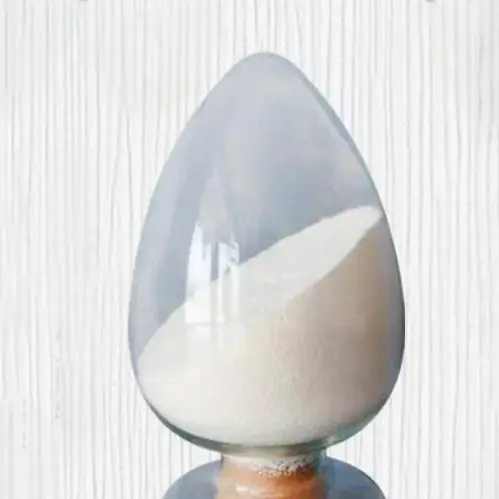
What Does Sodium Dodecyl Sulfate (SLS) Actually Do to Your Skin?
To understand the link between Sodium Dodecyl Sulfate (SLS) and eczema, it helps to first understand its mechanism. SLS is a detergent and emulsifier that works by reducing surface tension, allowing water and oil to mix so that dirt and sebum can be rinsed away. However, this same property can strip the skin of its natural lipids (ceramides, cholesterol, and free fatty acids), which are essential for maintaining a healthy stratum corneum.
When the skin barrier is compromised, transepidermal water loss (TEWL) increases, and environmental irritants, allergens, and microbes can penetrate more easily. For individuals with atopic dermatitis (eczema), who already have a genetically weaker barrier and higher baseline inflammation, exposure to Sodium Dodecyl Sulfate (SLS) can amplify these defects, leading to classic eczema flares: dryness, erythema, pruritus, and even secondary infections.
Clinical Evidence: What Do Patch Tests Show?
Multiple dermatological studies have used patch testing with varying concentrations of Sodium Dodecyl Sulfate (SLS) to assess skin irritancy. A widely cited benchmark is the 24-hour patch test with 0.5% SLS, which consistently produces measurable irritation in healthy volunteers. In eczema-prone individuals, even lower concentrations—0.1% to 0.2%—can elicit visible erythema and scaling within hours.
| Study Parameter | Healthy Skin Response | Eczema-Prone Skin Response |
|---|---|---|
| SLS Concentration | 0.5% – 1.0% | 0.1% – 0.2% |
| Onset of Irritation | 12 – 24 hours | 2 – 6 hours |
| Primary Mechanism | Lipid extraction | Lipid extraction + immune activation |
| Recovery Time | 3 – 5 days | 7 – 14 days or longer |
| Common Symptoms | Dryness, mild redness | Intense itching, weeping, crusting |
The table above illustrates that Sodium Dodecyl Sulfate (SLS) is not a universal allergen—it is a primary irritant. This means that while it does not trigger an IgE-mediated allergic response, it does cause direct damage to the skin barrier, which in turn can precipitate an eczematous reaction in susceptible individuals.
Why Concentration and Formulation Matter (The Foamix Approach)
Not all products containing Sodium Dodecyl Sulfate (SLS) are equally irritating. Concentration is the first variable—rinse-off products like shampoos typically contain 10–15% SLS, while leave-on products are rarely formulated with such high levels. However, the total formulation matrix is equally critical. Co-surfactants (e.g., cocamidopropyl betaine), emollients, and humectants can mitigate the harshness of Sodium Dodecyl Sulfate (SLS) by reducing its critical micelle concentration or by depositing barrier-repair lipids back onto the skin.
At Foamix, our proprietary foam-based delivery systems are designed to minimize the contact time of surfactants with the skin while optimizing the deposition of soothing ingredients like allantoin and ceramide complexes. This means that even when Sodium Dodecyl Sulfate (SLS) is present in a formulation, its irritancy potential is significantly lowered through physical and chemical modulation—an approach supported by recent colloid and interface science.
Practical Guidelines for Eczema Sufferers
If you have active eczema, complete avoidance of Sodium Dodecyl Sulfate (SLS) may not be realistic, but you can adopt these evidence-based strategies:
-
Check the ingredient list – Look for SLS near the end of the INCI list (lower concentration).
-
Prefer syndet bars – Synthetic detergent bars often use milder surfactants like sodium cocoyl isethionate.
-
Rinse thoroughly and immediately – Minimize skin contact time with any lathering product.
-
Apply moisturizer within 3 minutes – Post-wash occlusion reduces TEWL and prevents SLS-induced barrier degradation.
-
Patch-test new products – Apply a small amount to the antecubital fossa (inner elbow) for 48 hours before first use.
Sodium Dodecyl Sulfate (SLS) FAQ: Common Questions Answered
Q1: Is Sodium Dodecyl Sulfate (SLS) the same as sodium lauryl ether sulfate (SLES)?
A1: No. While both are anionic surfactants derived from coconut or palm oil, Sodium Dodecyl Sulfate (SLS) has a single dodecyl chain and no ethoxylation, making it smaller and more penetrating. SLES is ethoxylated (typically with 1–3 moles of ethylene oxide), which makes it larger, milder, and less likely to penetrate the stratum corneum. However, SLES can still be irritating at high concentrations, and some individuals sensitive to Sodium Dodecyl Sulfate (SLS) may also react to SLES, albeit at higher thresholds. In dermatological grading, SLS is considered the reference irritant, while SLES is generally one step milder.
Q2: Can Sodium Dodecyl Sulfate (SLS) cause eczema even if I have never had it before?
A2: Yes, but this is considered irritant contact dermatitis rather than true atopic eczema. Prolonged or repeated occupational exposure to Sodium Dodecyl Sulfate (SLS)—for example, in hairdressers, cleaners, or factory workers—can induce a cumulative irritant reaction that clinically mimics eczema. This is sometimes called "secondary eczema" because the skin barrier becomes so compromised that it cannot recover between exposures. Unlike genetic atopic eczema, this form often resolves completely once the irritant is removed and the skin is allowed to heal with proper moisturization and barrier repair. If you suspect occupational SLS exposure, a dermatologist can perform a repeat open application test (ROAT) to confirm sensitivity.
Q3: Are natural or organic products free from Sodium Dodecyl Sulfate (SLS)?
A3: Not necessarily. "Natural" refers to the origin of ingredients, not their chemical modification. Sodium Dodecyl Sulfate (SLS) is often derived from coconut oil or palm kernel oil, both of which are natural sources. Therefore, many "natural" or "plant-based" shampoos and cleansers still contain Sodium Dodecyl Sulfate (SLS) because it is plant-derived. Conversely, synthetic surfactants like sodium cocoyl glutamate can be milder yet are not always labeled "natural." The key is to read the full INCI list rather than relying on front-of-pack marketing claims. At Foamix, we publish full ingredient transparency and provide irritancy ratings for all our formulations, so you can make informed choices based on your skin’s actual tolerance.
Final Verdict: Is Sodium Dodecyl Sulfate (SLS) a Trigger?
Based on the cumulative evidence from dermatopharmacology and clinical dermatology, Sodium Dodecyl Sulfate (SLS) is unequivocally a primary irritant that can trigger eczematous reactions in individuals with compromised skin barriers. It does not "cause" eczema in the genetic sense, but it is one of the most well-documented exogenous factors that can precipitate, prolong, or worsen active flares. The severity depends on concentration, exposure time, formulation co-ingredients, and individual susceptibility.
For eczema sufferers, the practical takeaway is not to panic but to become an educated consumer. Understanding the role of Sodium Dodecyl Sulfate (SLS) in your daily routine—and knowing how brands like Foamix address this through smart formulation science—empowers you to manage your skin proactively rather than reactively.
Contact Us
We know that navigating surfactant sensitivity can be overwhelming, and every skin type responds differently. If you have specific concerns about Sodium Dodecyl Sulfate (SLS) in your current regimen, or if you would like personalized advice on which Foamix products best suit your eczema-prone skin, our formulation scientists and customer care team are here to help. Contact us today for a one-on-one consultation—we will review your routine, analyze your triggers, and recommend a tailored approach that respects your skin barrier without compromising on cleansing efficacy. Your healthier skin starts with a conversation. Reach out now.