Can Very High VA EVA (28–40%) Replace Other High-VA Copolymers in Specialty Applications
2026-10-20
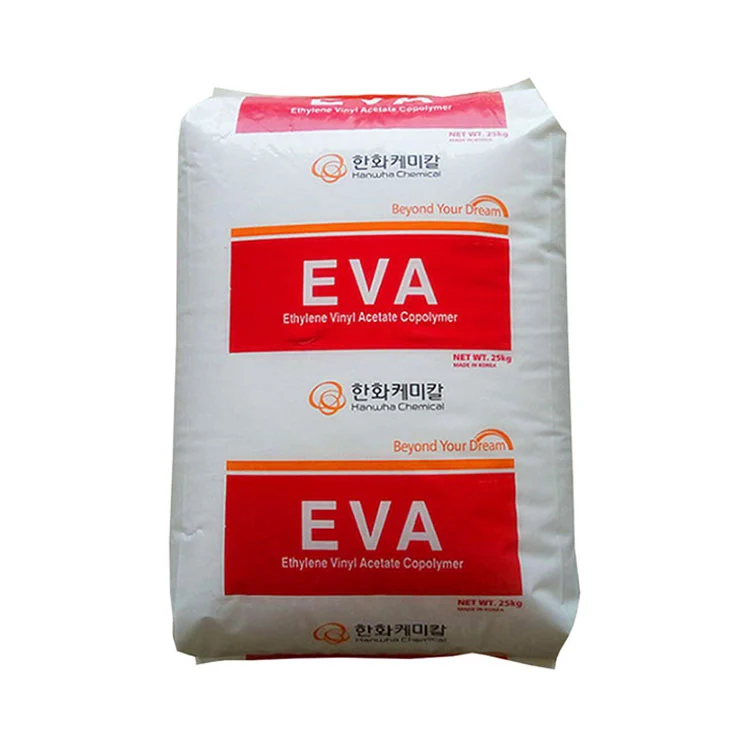
Very High VA EVA (28–40%) has become a focal point for formulators evaluating whether a single high-vinyl-acetate platform can substitute for multiple specialty copolymers. At Nianjing, we supply these grades to adhesive, film, coating, and compounding customers who need clarity on where substitution works and where it does not. This analysis compares performance, processing, and economics so you can make an informed decision.
What Defines the Substitution Question
Very High VA EVA (28–40%) sits at the upper end of the EVA spectrum, where VA content drives flexibility, polarity, adhesion, and compatibility with polar additives. Whether it can replace other high-VA copolymers depends on four factors: target softening behavior, adhesion to specific substrates, thermal limits during processing, and regulatory or end-use requirements.
Performance Comparison
| Property | Very High VA EVA (28–40%) | Other High-VA Copolymers | Substitution Outlook |
|---|---|---|---|
| Polar adhesion | High | High to very high | Often viable with testing |
| Flexibility / low modulus | Excellent | Good to excellent | Favorable |
| Thermal stability | Moderate | Varies by chemistry | Verify per grade |
| Low-temperature toughness | Good | Good to excellent | Application-dependent |
| Cost efficiency | Competitive | Typically higher | Strong advantage |
| Supply availability | Broad | Narrower | Favorable |
Where Replacement Works Well
-
Hot-melt adhesives: Very High VA EVA (28–40%) delivers strong polar adhesion and flexibility, making it a practical substitute in many packaging and bookbinding formulations.
-
Films and laminates: High VA content improves softness and seal behavior, supporting replacement in flexible packaging structures.
-
Coatings and primers: Polarity aids wetting on polar substrates, reducing the need for specialty copolymers in some systems.
-
Compounding and masterbatch: Compatibility with polar fillers and additives supports partial or full substitution.
Where Caution Is Warranted
-
Applications demanding sustained high-temperature service may favor copolymers with inherently higher thermal ceilings.
-
Highly specialized adhesion to non-polar substrates may still require dedicated chemistries.
-
Regulatory-limited end uses require grade-specific documentation before substitution.
Processing Considerations
Very High VA EVA (28–40%) processes at lower temperatures than many alternatives, which reduces energy demand but narrows the safe processing window. Recommended practices at Nianjing include:
-
Controlled melt temperature to avoid degradation
-
Adequate venting during extrusion
-
Compatibility screening with plasticizers and tackifiers
-
Pilot trials before full-scale conversion
Frequently Asked Questions
Can Very High VA EVA (28–40%) directly replace all other high-VA copolymers? No single grade replaces every alternative; substitution is application-specific and should be validated through trials covering adhesion, thermal exposure, and end-use compliance.
What VA content range should I select for adhesive work? For hot-melt and pressure-sensitive systems, the Very High VA EVA (28–40%) range generally offers the best balance of polarity, flexibility, and cohesive strength, with the exact point chosen based on substrate and service temperature.
How does Very High VA EVA (28–40%) affect processing temperatures? These grades typically process at lower temperatures than many high-VA alternatives, improving energy efficiency but requiring tighter temperature control to prevent thermal degradation.
Is Very High VA EVA (28–40%) cost-effective compared with specialty copolymers? In most adhesive, film, and coating applications, Very High VA EVA (28–40%) offers a favorable cost-performance balance, though total cost should include trial, qualification, and compliance verification.
Can Nianjing support substitution trials? Yes. Nianjing provides grade selection guidance, technical data, and sample support to help customers validate Very High VA EVA (28–40%) in their specific systems.
Conclusion
Very High VA EVA (28–40%) can replace other high-VA copolymers in a meaningful share of specialty applications, particularly adhesives, films, coatings, and compounding. Success depends on matching grade to application and validating performance before conversion.
Contact us at Nianjing to discuss your application, request samples of Very High VA EVA (28–40%), and receive technical support for your substitution evaluation.