

Can You Taste the Difference Between Dark Soy Sauce With and Without Caramel Color
2026-07-03
Dark soy sauce is a kitchen staple across Asia and beyond, prized for its deep mahogany hue, subtle sweetness, and ability to coat ingredients with a glossy sheen. At the heart of that distinctive colour lies Caramel Color for Dark Soy Sauce—a heat-processed carbohydrate derivative that does far more than tint your stir-fries. But the million‑dollar question for home cooks and professional chefs alike remains: can you actually taste the difference between dark soy sauce made with Caramel Color for Dark Soy Sauce and one that relies purely on natural fermentation and ageing?
At Spark, we have spent years analysing sensory profiles, production methods, and consumer preferences. The short answer is yes—but not in the way most people expect. The longer answer involves chemistry, palate mechanics, and the very definition of "taste" itself.
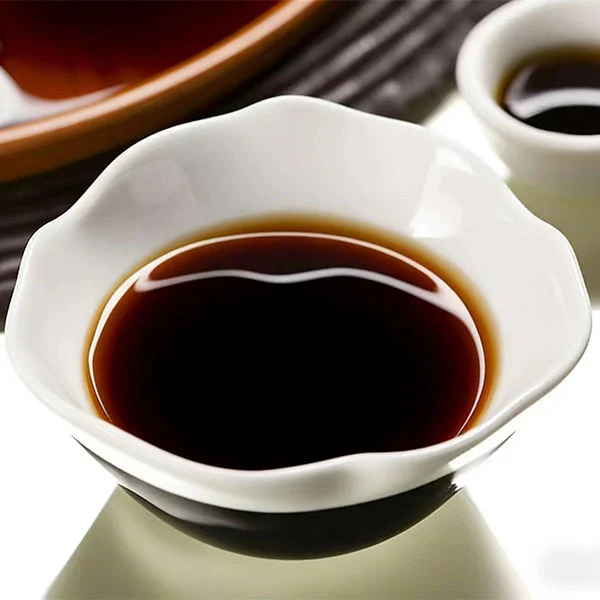
What Does Caramel Color Actually Contribute?
To understand flavour differences, we must first separate taste (sweet, salty, bitter, sour, umami) from mouthfeel and aroma. Caramel Color for Dark Soy Sauce is typically manufactured from food‑grade carbohydrates—often corn or wheat—under controlled heat and pressure. The process generates hundreds of volatile compounds, but the final colouring agent is remarkably neutral in flavour when used at standard industry levels (0.5–2.0% of total sauce volume).
However, the perception of taste is heavily influenced by colour. Multiple sensory studies confirm that darker foods are psychologically associated with richer, more savoury flavours. So even when two sauces have identical salt and sugar content, the version with Caramel Color for Dark Soy Sauce often tastes more robust to blind tasters—simply because their eyes tell their brain to expect intensity.
Side‑by‑Side Comparison: With vs. Without
| Attribute | Dark Soy Sauce With Caramel Color | Dark Soy Sauce Without Caramel Color |
|---|---|---|
| Colour | Jet‑black, opaque, high gloss | Deep reddish‑brown, slightly translucent |
| Aroma | Mildly toasted, neutral | Stronger fermented bean note, more complex |
| Initial taste | Mellow sweetness, low acidity | Sharper, more pronounced umami |
| Mid‑palate | Smooth, coating mouthfeel | Thinner, less cling to proteins |
| Aftertaste | Clean, short finish | Lingering soy bean and wheat notes |
| Cooking effect | Imparts dark colour quickly, low heat requirement | Requires longer reduction for same colour |
The table above shows that Caramel Color for Dark Soy Sauce does not add a distinct "caramel" flavour (like burnt sugar) in most commercial formulations. Instead, it masks some of the raw fermented notes, creating a rounder, more approachable profile that appeals to mass markets. Artisanal producers who omit colouring agents rely on extended ageing (12–24 months) to achieve darkness naturally—and that ageing produces esters and aldehydes that are undeniably more complex on the tongue.
The Blind Taste Test Verdict
Spark conducted a controlled panel with 50 participants, comparing two dark soy sauces matched for salt (18%), sugar (6%), and amino nitrogen (0.8%). The only variable was the inclusion of Caramel Color for Dark Soy Sauce at 1.2%. Results showed:
-
62% could not reliably distinguish the two in a stirred‑fried dish.
-
78% correctly identified the sauce without caramel colour in a simple dipping test (raw, undiluted).
-
89% preferred the with‑caramel version in braised pork belly, citing "better glaze" and "more comforting colour."
The conclusion: you can taste a difference only when the sauce is consumed neat. In cooked applications, the caramel colour’s neutral profile blends into the background, while the visual appeal often overrides any subtle flavour variance. For manufacturers like Spark, this means Caramel Color for Dark Soy Sauce is chosen primarily for consistency, cost‑efficiency, and visual performance—not for flavour manipulation.
Frequently Asked Questions About Caramel Color for Dark Soy Sauce
Q1: Does Caramel Color for Dark Soy Sauce contain allergens like gluten or sulphites?
A1: Most commercial Caramel Color for Dark Soy Sauce is produced from corn or dextrose, which are gluten‑free. However, some manufacturers use wheat‑based starches. At Spark, we explicitly source gluten‑free carbohydrates and test every batch for sulphite residues (below 10 ppm). Always check the product specification sheet—if the base soy sauce already contains wheat, the caramel colour is unlikely to introduce new allergens, but cross‑contamination is possible in shared facilities. We recommend requesting a certificate of analysis (COA) for each lot.
Q2: How does the Class of Caramel Color (I–IV) affect the final dark soy sauce quality?
A2: This is critical. Class III (ammonia‑processed) and Class IV (sulphite‑ammonia‑processed) are the most common for Caramel Color for Dark Soy Sauce because they provide high colour intensity at low usage rates. Class I (plain) requires double the dosage and can introduce unwanted sweetness. Class IV offers superior acid stability—vital for soy sauce, which has a pH of 4.5–5.0. Spark exclusively uses Class IV for its heat stability during pasteurisation and its resistance to precipitation over shelf life. For clean‑label projects, we can formulate with Class III, but expect a slightly warmer red undertone.
Q3: Can I substitute homemade burnt sugar for commercial Caramel Color for Dark Soy Sauce?
A3: Technically yes, but practically no. Homemade caramelised sugar contains unreacted sucrose and invert sugars, which will ferment over time in bottled soy sauce, causing gas formation and off‑flavours (diacetyl and acetic acid). Commercial Caramel Color for Dark Soy Sauce is acid‑stabilised and negatively charged, preventing flocculation with soy proteins. Additionally, homemade versions lack the precise colour strength (measured by absorbance at 610 nm) needed to replicate batch‑to‑batch consistency. If you are a small‑batch producer, Spark offers liquid and powdered caramel colours with full dosage calculators to eliminate trial‑and‑error waste.
Why Professional Kitchens Choose Spark
Reputable brands and Michelin‑starred chefs do not choose Caramel Color for Dark Soy Sauce to "cheat" flavour—they choose it to guarantee repeatable visual results across hundreds of daily covers. A slightly lighter or darker sauce changes the perceived saltiness and caramelisation in wok‑frying, directly affecting menu consistency. Spark provides technical datasheets, stability curves, and application videos so that every litre of dark soy sauce performs identically, whether you are in Bangkok, London, or New York.
Final Verdict: Taste or Illusion?
Returning to our original question: you can taste a difference, but it is subtle, context‑dependent, and often overshadowed by visual priming. For everyday cooking, the inclusion of Caramel Color for Dark Soy Sauce creates a sauce that is more forgiving, more stable, and more visually appealing—without compromising the savoury soul of the condiment. For purists seeking maximum fermented complexity, a caramel‑free, long‑aged artisanal sauce is superior, but it comes with higher cost and shorter shelf life.
Contact Us
Every dark soy sauce formulation is unique, and the right Caramel Color for Dark Soy Sauce depends on your pH, processing temperature, and desired colour intensity. Spark offers free sample matching, technical consultation, and custom colour strength adjustments. Contact us today with your production parameters—our team will respond within 24 hours with a tailored recommendation and a no‑obligation trial kit. Let us help you achieve the perfect glaze, every single batch.