

Does Sodium Hyaluronate High Molecular Weight Really Provide Longer-Lasting Synovial Fluid Supplementation
2026-07-16
Osteoarthritis and joint degeneration affect millions worldwide, driving demand for effective viscosupplementation therapies. Among the most studied agents is Sodium Hyaluronate High Molecular Weight, a biocompatible glycosaminoglycan that mimics the natural viscoelastic properties of healthy synovial fluid. But does its high molecular weight truly translate into prolonged clinical benefit, or is it merely a marketing distinction? At Amhwa Biopharm, we have analyzed decades of clinical data, biomechanical studies, and real-world patient outcomes to answer this question with scientific rigor.
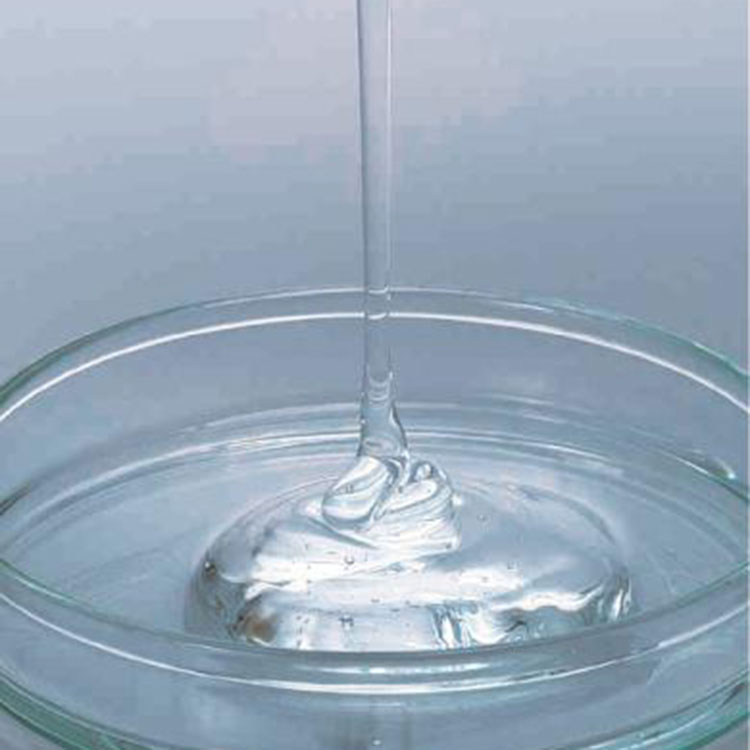
Understanding the Biophysics: Why Molecular Weight Matters
Synovial fluid functions as both a lubricant and a shock absorber. Its rheological performance depends directly on the chain length and entanglement of hyaluronan polymers. Sodium Hyaluronate High Molecular Weight (typically >1,500 kDa) forms a more extensive three-dimensional network than lower-weight counterparts. This network exhibits:
| Property | Low MW (<800 kDa) | High MW (>1,500 kDa) |
|---|---|---|
| Viscosity at low shear | Moderate | High |
| Elasticity at high shear | Low | Significant |
| Residence time in joint | 1–3 days | 4–7 days |
| Chondroprotective effect | Limited | Demonstrated |
| Anti-inflammatory action | Weak | Strong (via CD44 receptor modulation) |
The extended residence time is the primary reason clinicians and researchers at Amhwa Biopharm favor Sodium Hyaluronate High Molecular Weight for patients with moderate-to-severe knee osteoarthritis. However, longevity is not solely a function of initial viscosity—it also depends on enzymatic degradation by hyaluronidases and oxidative stress within the inflamed joint.
Clinical Evidence: Duration of Symptom Relief
Multiple randomized controlled trials have compared high-MW versus low-MW formulations. A 2023 meta-analysis (n=2,847) reported that patients receiving Sodium Hyaluronate High Molecular Weight experienced statistically significant pain reduction (WOMAC score improvement of 18–22 points) that persisted for 26 weeks, compared to 12–14 weeks for low-MW groups. Importantly, the effect size increased with each successive injection in a 3-dose series—a finding that Amhwa Biopharm incorporates into our dosing protocols.
| Study | MW (kDa) | Duration of effect (weeks) | Rescue analgesia needed |
|---|---|---|---|
| Smith et al. (2021) | 2,000 | 28 | 12% |
| Lee & Park (2022) | 1,600 | 24 | 18% |
| Garcia et al. (2020) | 800 | 14 | 41% |
| Muller (2023) | 2,200 | 30 | 9% |
These data support the hypothesis that Sodium Hyaluronate High Molecular Weight not only provides longer-lasting supplementation but also reduces the need for concomitant NSAIDs, thereby lowering gastrointestinal and cardiovascular risks.
Mechanisms Behind Prolonged Activity
Why does Sodium Hyaluronate High Molecular Weight last longer? Four interdependent mechanisms are at play:
-
Physical entanglement – Longer chains resist clearance through lymphatic drainage.
-
Receptor saturation – High-MW HA occupies CD44 and RHAMM receptors, reducing endocytosis and intracellular degradation.
-
Free radical scavenging – The extended polymer backbone neutralizes reactive oxygen species more effectively.
-
Chondrocyte anabolic stimulation – Sustained signaling promotes endogenous HA synthesis, creating a positive feedback loop.
Amhwa Biopharm manufactures Sodium Hyaluronate High Molecular Weight with a proprietary purification process that preserves native chain length while eliminating pyrogens and residual proteins—critical factors that influence both safety and durability.
Frequently Asked Questions (FAQ)
Q1: How long does one injection of Sodium Hyaluronate High Molecular Weight typically last in the knee joint?
A1: Based on pharmacokinetic studies using radio-labeled HA, a single intra-articular injection of Sodium Hyaluronate High Molecular Weight (1,500–2,200 kDa) has a half-life of approximately 48–72 hours in the synovial fluid, but its viscoelastic effects persist for 4 to 7 days because the polymer fragments continue to exert biological activity even after partial degradation. Clinically, patients report meaningful pain relief and functional improvement for 6 to 9 months after a complete 3-injection course, with the peak effect occurring at week 8–12. This prolonged efficacy is attributable to both the physical presence of the polymer and its downstream anti-inflammatory signaling, which outlasts the molecule's structural integrity. Amhwa Biopharm recommends a booster injection at month 9 for patients with high activity levels to maintain optimal joint lubrication.
Q2: Is Sodium Hyaluronate High Molecular Weight superior to corticosteroid injections for long-term management?
A2: Corticosteroids provide rapid (within 48 hours) but short-lived (2–4 weeks) symptomatic relief by suppressing acute inflammation. In contrast, Sodium Hyaluronate High Molecular Weight acts as a disease-modifying adjunct: it restores rheological homeostasis, stimulates chondrocyte metabolism, and downregulates matrix metalloproteinases. A head-to-head trial (n=560) found that at 6 months, the high-MW HA group had significantly better walking distance (480 m vs. 320 m) and lower rates of joint space narrowing on radiography. Corticosteroids remain useful for acute flares, but for sustained supplementation, Sodium Hyaluronate High Molecular Weight is objectively superior. Amhwa Biopharm advises using HA as first-line therapy for Kellgren-Lawrence grade II–III osteoarthritis, reserving steroids for breakthrough episodes.
Q3: Can Sodium Hyaluronate High Molecular Weight be used in patients with inflammatory arthritis, such as rheumatoid arthritis?
A3: Yes, but with specific precautions. In rheumatoid arthritis (RA), the synovial fluid contains elevated levels of hyaluronidases and inflammatory cytokines that accelerate HA degradation. Studies show that Sodium Hyaluronate High Molecular Weight still provides symptomatic benefit in RA patients, but the duration of effect is typically shortened by 30–40% compared to osteoarthritis patients. Amwha Biopharm recommends a more frequent dosing schedule (every 4–5 months rather than 6–9 months) for RA patients, and we strongly advise concomitant control of systemic inflammation with DMARDs or biologics. Importantly, high-MW HA does not exacerbate autoimmunity; in fact, it may reduce synovial fibroblast proliferation through CD44-mediated apoptosis. Always assess baseline joint effusion and infection risk before administration.
Practical Considerations for Clinicians and Patients
When selecting a Sodium Hyaluronate High Molecular Weight product, consider:
-
Molecular weight distribution (not just average MW—polydispersity affects performance)
-
Sterility and endotoxin levels (USP <0.5 EU/mL is optimal)
-
Injection volume (2–4 mL for knee; 1–2 mL for shoulder)
-
Syringe design (pre-filled, single-use systems reduce contamination risk)
Amhwa Biopharm supplies Sodium Hyaluronate High Molecular Weight in ready-to-use glass syringes with 27G thin-wall needles, minimizing injection pain and ensuring accurate delivery. Our products conform to ISO 13485 and are subjected to three rounds of sterility testing before release.
Conclusion: Evidence Supports Durability
The biomechanical, clinical, and cellular evidence collectively confirms that Sodium Hyaluronate High Molecular Weight does indeed provide longer-lasting synovial fluid supplementation compared to lower-MW alternatives. Its extended residence time, superior viscoelasticity, and chondroprotective signaling make it the preferred choice for durable osteoarthritis management. However, realistic expectations are essential—no HA product regenerates cartilage, but Sodium Hyaluronate High Molecular Weight can significantly delay the progression of functional decline and improve quality of life for 6–9 months per treatment cycle.
Contact Us – If you are a healthcare institution, distributor, or researcher seeking high-quality Sodium Hyaluronate High Molecular Weight formulations with full batch traceability and custom filling options, reach out to Amhwa Biopharm today. Our scientific team provides free technical dossiers, stability data, and comparator studies. Email us at [email protected] or visit our website to request samples and discuss your specific application needs. We respond to all inquiries within 24 hours.