
Does Sodium Hypochlorite Expire or Lose Potency Over Time
2026-09-02
If you have ever stored a bottle of disinfectant or pool shock for a year or more, you may have noticed that it seems less effective than when you first bought it. This is not your imagination. Sodium Hypochlorite—the active ingredient in liquid bleach, water treatment chemicals, and many commercial sanitizers—does indeed degrade over time. Understanding this degradation process is critical for facilities that rely on consistent disinfection power. At Leache, we specialize in high-stability Sodium Hypochlorite solutions designed to minimize potency loss, but even the best formulations are subject to basic chemical rules.
Why Does Sodium Hypochlorite Degrade?
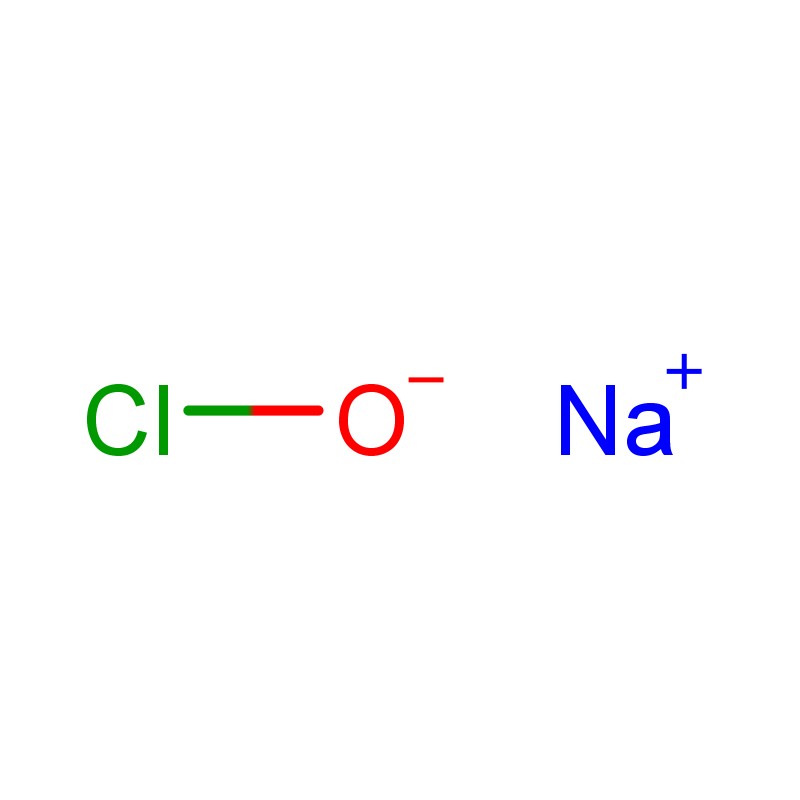
Sodium Hypochlorite (NaOCl) is inherently unstable. It naturally decomposes through two primary pathways:
-
Thermal decomposition – Heat accelerates the breakdown of NaOCl into sodium chloride (salt) and sodium chlorate. For every 10°C rise in storage temperature, the decomposition rate roughly doubles.
-
Photolytic decomposition – Exposure to ultraviolet (UV) light triggers a reaction that releases oxygen gas and converts Sodium Hypochlorite back into saltwater.
This means that a 12.5% concentrated solution stored in a hot, sunlit warehouse can lose 30–50% of its active strength within six months, while the same solution kept in a cool, dark room might lose only 5–10% over the same period.
How Fast Does Potency Decline?
The degradation follows first-order kinetics, meaning the loss rate is proportional to the remaining concentration. The table below illustrates typical potency loss under different storage conditions for standard Sodium Hypochlorite (starting at 10% available chlorine):
| Storage Temperature | Light Exposure | Potency After 3 Months | Potency After 6 Months | Potency After 12 Months |
|---|---|---|---|---|
| 25°C (77°F) – dark | None | ~92% remains | ~85% remains | ~72% remains |
| 25°C – indirect light | Moderate | ~88% remains | ~78% remains | ~62% remains |
| 35°C (95°F) – dark | None | ~82% remains | ~68% remains | ~48% remains |
| 35°C – direct sun | High | ~70% remains | ~52% remains | ~30% remains |
As shown, even under ideal conditions, Sodium Hypochlorite is not a "set and forget" chemical. This is why Leache recommends routine titrations or test-strip monitoring for any facility using Sodium Hypochlorite in critical applications like drinking water disinfection or healthcare sanitation.
Factors That Accelerate or Slow Down Degradation
Beyond temperature and light, three other variables significantly impact shelf life:
| Factor | Effect on Stability |
|---|---|
| pH level | Stability peaks at pH 11–12. Below pH 10, degradation accelerates sharply due to increased hypochlorous acid formation. |
| Metal ion contamination | Trace metals like copper, nickel, or cobalt catalyze decomposition. Even 0.1 ppm can reduce half-life by 40%. |
| Container material | HDPE and opaque plastics are preferred. Glass and clear PET allow UV penetration and may leach catalytic ions. |
Leache Sodium Hypochlorite products include proprietary stabilizers that sequester metal ions and buffer pH, effectively extending usable life by 20–30% compared to generic grades. However, no additive can completely stop the clock—proper storage discipline remains essential.
Practical Implications for End-Users
If you are dosing Sodium Hypochlorite for municipal water treatment, food processing, or swimming pool maintenance, assuming label strength after prolonged storage is a costly error. Under-dosing leads to microbial regrowth, while over-dosing wastes chemical and may generate harmful disinfection byproducts.
Leache advises all customers to:
-
Rotate stock using a first-in, first-out (FIFO) system.
-
Store drums in insulated, shaded areas with ambient temperatures below 25°C.
-
Test active chlorine concentration weekly using DPD (N,N-diethyl-p-phenylenediamine) colorimetric methods.
Frequently Asked Questions About Sodium Hypochlorite Stability
Q: How can I tell if my Sodium Hypochlorite has lost too much potency to be useful?
A: Visual inspection is not reliable—degraded Sodium Hypochlorite often remains clear. The only accurate method is chemical testing. Use a chlorine test kit (DPD or iodometric titration) to measure available chlorine in parts per million (ppm). Compare the result against the original label specification. If the measured value is below 70% of the labeled concentration, the solution is generally considered unfit for disinfection purposes because the required dose becomes economically and logistically impractical to adjust. Additionally, a strong salty odor with very weak chlorine smell can indicate advanced decomposition, but testing is mandatory for safety-critical uses.
Q: Does opening the container multiple times shorten the shelf life of Sodium Hypochlorite?
A: Yes, but the effect is indirect. Each time you open a container, you introduce fresh air containing carbon dioxide (CO₂). CO₂ dissolves into the solution and lowers the pH, which accelerates decomposition into chlorate and chloride. Moreover, repeated opening allows moisture exchange and potential microbial contamination, though microbes rarely survive in high-pH Sodium Hypochlorite. To minimize this impact, Leache recommends using collapsible bags or containers with minimal headspace and dispensing valves that avoid exposing the bulk liquid to atmospheric CO₂. For large-volume users, consider transferring the entire drum into smaller, tightly sealed working bottles that are refilled only when empty.
Q: Can I restore degraded Sodium Hypochlorite by adding fresh concentrated bleach?
A: Technically yes, but it is not recommended for most applications. Blending degraded Sodium Hypochlorite with fresh concentrate can raise the active chlorine level, but the degraded portion already contains high levels of sodium chlorate and chloride—inert byproducts that do not contribute to disinfection. These byproducts increase total dissolved solids and may accelerate corrosion on metal equipment. More importantly, the stabilizers and pH buffers in fresh Sodium Hypochlorite may not be present in sufficient quantity to protect the blended mixture, meaning the new batch will degrade faster than pure fresh material. Leache advises against blending for regulatory compliance (e.g., NSF/ANSI 60 for drinking water) and recommends proper disposal of expired stock instead.
The Bottom Line
Sodium Hypochlorite does expire—not by a fixed calendar date, but through predictable, environmentally driven degradation. A well-managed storage protocol can preserve 80–90% of initial potency for up to six months, while neglect can render the same chemical useless in under 60 days. The key takeaway: never trust the label; always verify through active testing.
For critical operations where disinfection efficacy is non-negotiable, partnering with a knowledgeable supplier makes all the difference. Leache offers not only premium-grade Sodium Hypochlorite with extended shelf-life formulations but also comprehensive stability monitoring guidance tailored to your specific climate and usage patterns.
Contact us today to schedule a free storage audit and request your sample batch of Leache stabilized Sodium Hypochlorite. Our technical team will help you design a handling protocol that maximizes every gallon—because when safety and compliance are on the line, guessing is never an option. Reach out via our website or call your regional Leache representative now. We are ready to support your operations with science-backed solutions and responsive service.