

How Can Fertilizer For Alkaline Soils Improve Crop Yield in Challenging High-pH Environments?
2026-07-06
Alkaline soils are a major agricultural challenge in many regions around the world, especially in arid and semi-arid climates where soil pH often exceeds 7.5. In such environments, essential nutrients like iron, zinc, phosphorus, and manganese become less available to plants, leading to poor germination, weak growth, and reduced crop yields. This is where Fertilizer For Alkaline Soils plays a critical role. It is specifically formulated to correct nutrient deficiencies, improve soil structure, and enhance plant nutrient uptake efficiency under high-pH conditions.
For agricultural producers and distributors, including companies like Tianjin Rongda Import and Export Co., Ltd., understanding and applying the right fertilizer strategy for alkaline soils is essential for achieving stable productivity and long-term soil health improvement.
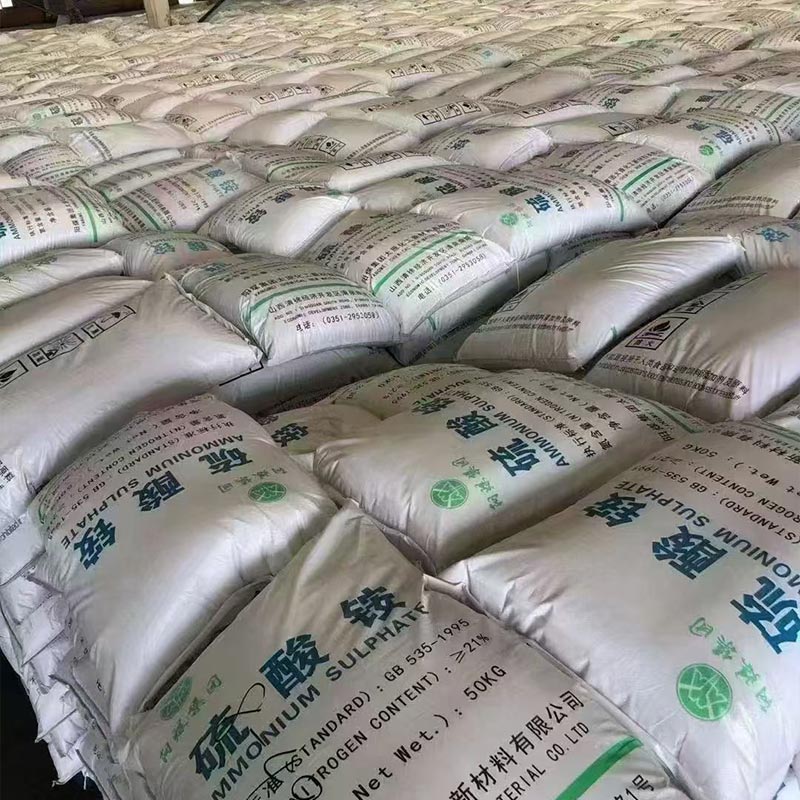
Understanding Alkaline Soils and Their Agricultural Limitations
Alkaline soils typically have a pH above 7.5 and are often characterized by:
- High calcium carbonate content
- Poor micronutrient solubility
- Weak phosphorus availability
- Reduced microbial activity
- Salinity issues in some regions
These conditions create a hostile environment for many crops, especially fruit trees, vegetables, and cash crops that require balanced nutrient absorption.
Why Fertilizer For Alkaline Soils Is Necessary
Conventional fertilizers are often ineffective in alkaline environments because nutrients become chemically fixed in the soil. Fertilizer For Alkaline Soils is designed to overcome these limitations by:
- Acidifying the root zone slightly to improve nutrient availability
- Enhancing micronutrient solubility (Fe, Zn, Mn, Cu)
- Supporting root development under stress conditions
- Improving soil microbial activity
- Reducing nutrient lock-up caused by high pH
Key Nutrient Challenges in Alkaline Soil
| Nutrient | Problem in Alkaline Soil | Plant Symptoms | Solution in Fertilizer For Alkaline Soils |
|---|---|---|---|
| Iron (Fe) | Becomes insoluble | Yellow leaves (chlorosis) | Chelated iron compounds |
| Zinc (Zn) | Low availability | Stunted growth | Zinc sulfate or chelated Zn |
| Phosphorus (P) | Fixed by calcium | Poor root development | Acidified phosphate sources |
| Manganese (Mn) | Reduced uptake | Leaf discoloration | Mn chelates |
| Boron (B) | Low mobility | Flowering issues | Boron-enriched blends |
Types of Fertilizer For Alkaline Soils
1. Acidifying Fertilizers
These fertilizers lower soil pH in the root zone:
- Ammonium sulfate-based fertilizers
- Elemental sulfur blends
- Urea with nitrification inhibitors
2. Chelated Micronutrient Fertilizers
Highly effective in alkaline conditions:
- Fe-EDTA, Fe-DTPA
- Zn-EDTA
- Mn-EDTA
3. Organic Soil Conditioners
Improve long-term soil health:
- Humic acid
- Fulvic acid
- Compost-based fertilizers
4. Compound Balanced Fertilizers
Designed for multi-nutrient supply:
- NPK blends tailored for high pH soils
- Slow-release formulations
Comparison: Alkaline Soil Fertilizer vs Conventional Fertilizer
| Feature | Conventional Fertilizer | Fertilizer For Alkaline Soils |
|---|---|---|
| Nutrient availability | Often reduced in high pH | Optimized for absorption |
| Micronutrient stability | Poor | Chelated & stable |
| Soil pH impact | No correction effect | Mild acidification |
| Crop performance | Inconsistent | More stable and higher yield |
| Efficiency | Low in alkaline conditions | High efficiency |
Best Application Practices
To maximize results, proper application methods are essential:
- Soil testing first to determine exact pH and nutrient deficiency
- Split application for better nutrient uptake
- Drip irrigation integration for precision delivery
- Foliar spraying for quick micronutrient correction
- Organic matter addition to improve soil buffering capacity
Crop Response to Fertilizer For Alkaline Soils
When applied correctly, farmers can expect:
- Improved chlorophyll formation
- Stronger root systems
- Higher flowering and fruit setting rates
- Increased drought tolerance
- Enhanced yield quality and quantity
Common crops that benefit include:
- Wheat and maize
- Citrus and grapes
- Tomatoes and peppers
- Cotton and sunflower
Economic and Agricultural Importance
The use of Fertilizer For Alkaline Soils is not only an agronomic solution but also an economic strategy. It helps:
- Reduce fertilizer waste
- Improve return on investment (ROI)
- Stabilize production in marginal lands
- Increase export-quality crop output
For global agricultural suppliers like Tianjin Rongda Import and Export Co., Ltd., offering high-performance alkaline soil fertilizers represents a strong opportunity to support international farming markets facing soil degradation challenges.
Key Advantages Summary
- Corrects nutrient lock-up in high pH soils
- Enhances micronutrient absorption efficiency
- Improves soil biological activity
- Supports sustainable farming practices
- Increases overall crop yield stability
Conclusion
Alkaline soils present serious limitations for modern agriculture, but with the right nutrient strategy, these challenges can be effectively managed. Fertilizer For Alkaline Soils is specifically engineered to address nutrient deficiencies, improve soil chemistry, and ensure healthy crop development even in high-pH environments. By combining scientific formulation with proper application techniques, farmers can transform poor alkaline land into productive farmland.
With strong manufacturing and export capability, Tianjin Rongda Import and Export Co., Ltd. is committed to providing reliable fertilizer solutions tailored for alkaline soil conditions worldwide.
For more product information, technical specifications, or bulk cooperation opportunities, please contact us today and let's build a more productive agricultural future together.