

How Can Healthcare Workers Prevent Sterile Blisters on Their Heels
2026-02-28
For healthcare workers, long shifts on hard floors are a daily reality. The constant pressure and friction can lead to painful heel injuries, specifically sterile blisters. Unlike infectious blisters, these are caused by mechanical stress. Implementing effective Sterile Blister Prevention for Heels is not just about comfort; it is about maintaining mobility and focus during critical shifts. At Taizhou Cmall Biotechnology, we understand the biomechanical challenges faced by medical professionals, and we are dedicated to providing solutions that keep you moving safely.
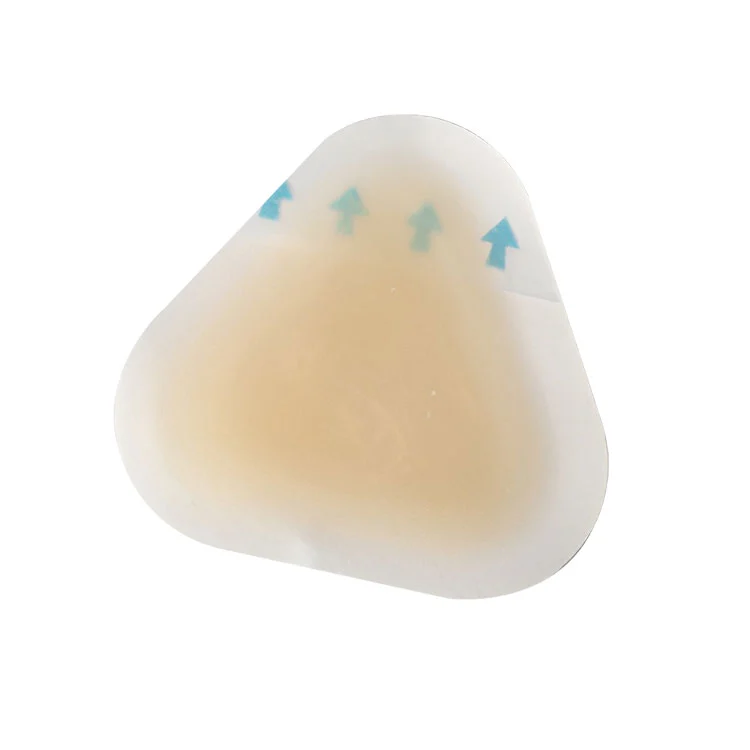
Understanding the Root Cause
Sterile blisters form when shear stress separates the epidermal layer from the dermis, and the space fills with fluid. For nurses and doctors, this often results from a combination of occlusive footwear, moisture, and repetitive motion.
Key Prevention Strategies
To effectively tackle this issue, healthcare workers must adopt a multi-layered approach. Below is a breakdown of the most effective methods.
| Prevention Layer | Action | Recommended Product/Technique |
|---|---|---|
| Friction Reduction | Apply prophylactic dressings to high-risk areas before the shift starts. | Thin hydrocolloid or silicone tape. |
| Moisture Wicking | Wear socks that draw sweat away from the skin. | Polyester or merino wool blends (avoid cotton). |
| Cushioning | Use insoles designed to redistribute heel pressure. | Gel or foam heel cups with shock absorption. |
| Skin Care | Keep the skin hydrated but dry. | Non-greasy barrier creams or tinctures. |
Best Practices for the Floor
Implementing the right techniques is just as important as the gear. Adhering to strict Sterile Blister Prevention for Heels protocols ensures that minor irritations do not develop into debilitating wounds.
-
Pre-Shift Taping: Before donning scrubs, apply a smooth, wrinkle-free layer of medical tape or a thin silicone dressing directly to the heel. This creates a "second skin" that absorbs shear.
-
Footwear Fit: Ensure your clogs or trainers are not too loose. A heel that lifts with every step creates the friction necessary to cause a blister.
-
Sock Integrity: Change socks during a 12-hour shift if they become damp. Moisture softens the skin, making it 10x more susceptible to breakdown.
Frequently Asked Questions
To further clarify this topic, here are the most common inquiries regarding Sterile Blister Prevention for Heels.
FAQ 1: What is the difference between a sterile blister and a regular blister?
A sterile blister is specifically defined as a blister that forms under non-infectious conditions. It contains clear, serous fluid (plasma) and results from friction or burns in a clean environment. A regular blister, in common language, might refer to any vesicle, but in a healthcare context, maintaining "sterility" means the skin barrier is broken without the presence of infection. The goal of prevention is to keep the skin intact and the underlying tissue protected from contaminants.
FAQ 2: Are there specific dressing materials that work best for heel blister prevention?
Yes, the material is critical. Prophylactic dressings designed for friction control are ideal. Thin polyurethane films or silicone-based foams are excellent because they have a low coefficient of friction. They glide against the sock or shoe, rather than tugging at the skin. At Taizhou Cmall Biotechnology, we emphasize the use of breathable, hypoallergenic materials that can withstand the humidity inside a shoe while providing a slick interface to protect the epidermis.
FAQ 3: How can a healthcare worker treat a hot spot on the heel during a shift?
A "hot spot" is the precursor to a blister. If you feel a burning or tingling sensation on your heel, immediate action is required. First, if possible, clean and dry the area. Apply a small, donut-shaped foam pad or a piece of silicone tape directly over the hot spot. This redistributes the pressure away from the epicenter of the irritation. Do not "tough it out"—intervening at the hot spot stage is the most effective form of Sterile Blister Prevention for Heels.
Conclusion
Protecting your feet is protecting your ability to care for others. By integrating these strategies into your daily routine, you can significantly reduce the risk of injury.
Are you looking for advanced, biomedical-grade materials for wound care and skin protection? Contact us at Taizhou Cmall Biotechnology today to learn more about our OEM solutions and how we can support your facility's skin health protocols.