How Can Polypropylene Homopolymer Improve Your Manufacturing Processes?
2026-05-22
Summary: Polypropylene Homopolymer (PPH) is a versatile thermoplastic material widely used across industries. This article explores its properties, applications, advantages, and common challenges, helping businesses make informed decisions when choosing materials for manufacturing and product development. By understanding the benefits of PPH, companies can optimize cost, durability, and performance.
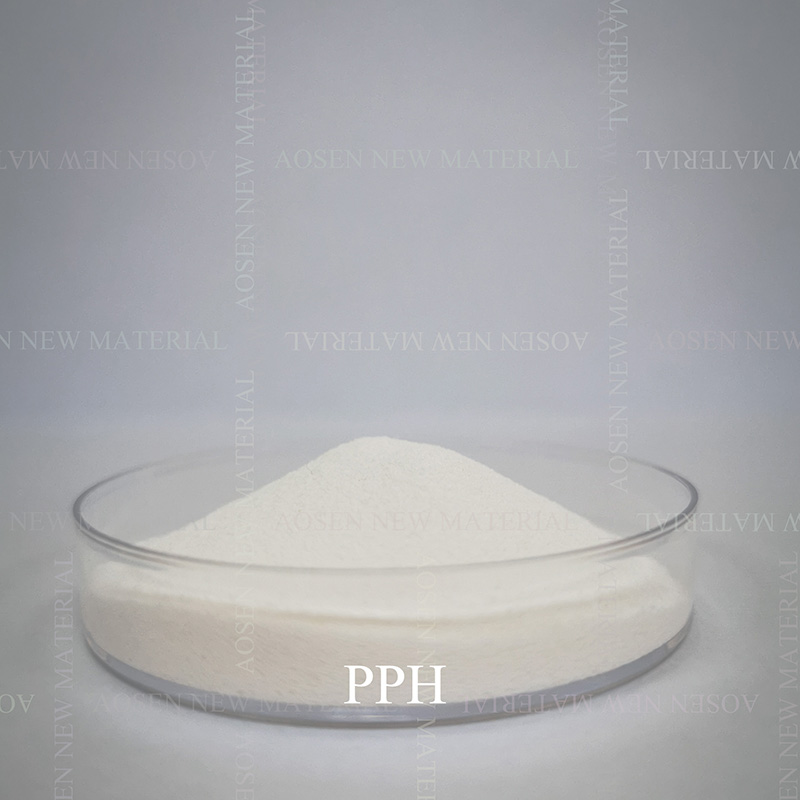
Table of Contents
- Introduction to Polypropylene Homopolymer
- Key Properties of PPH
- Applications in Industry
- Advantages Over Other Materials
- Processing Techniques
- Common Challenges and Solutions
- Frequently Asked Questions
- Conclusion
Introduction to Polypropylene Homopolymer
Polypropylene Homopolymer (PPH) is a polymer made from propylene monomers through a polymerization process. It is known for its high tensile strength, chemical resistance, and versatility in manufacturing. Unlike copolymers, homopolymers consist solely of propylene units, giving them unique mechanical properties suitable for applications that require rigidity and durability.
Companies like Aosen specialize in high-quality Polypropylene Homopolymer products that meet stringent industrial standards, offering solutions tailored to diverse manufacturing needs.
Key Properties of PPH
Understanding the material properties of PPH is crucial for selecting it for industrial applications. The following table summarizes the main characteristics:
| Property | Typical Value | Significance |
|---|---|---|
| Density | 0.905 g/cm³ | Lightweight material for reducing product weight |
| Tensile Strength | 30-40 MPa | Ensures mechanical durability under stress |
| Melting Point | 160-170°C | Allows high-temperature processing |
| Chemical Resistance | Excellent | Suitable for harsh chemical environments |
| Water Absorption | Very Low | Reduces risk of swelling or deformation |
Applications in Industry
PPH is widely used across multiple sectors due to its balance of strength, rigidity, and chemical resistance. Typical applications include:
- Packaging: Containers, caps, and films that require high stiffness.
- Automotive Components: Bumpers, interior trims, and battery housings.
- Consumer Goods: Furniture, appliances, and storage solutions.
- Medical Equipment: Syringes, laboratory tools, and disposable equipment.
By choosing Aosen’s PPH, manufacturers can ensure consistent quality and tailor-made solutions for their specific production requirements.
Advantages Over Other Materials
PPH offers several advantages that make it preferable over other thermoplastics:
- High Strength-to-Weight Ratio: Ideal for lightweight but durable products.
- Chemical and Moisture Resistance: Minimizes degradation in harsh environments.
- Cost Efficiency: Lower production and maintenance costs compared to metals or specialty plastics.
- Recyclability: Environmentally friendly options available for sustainable production.
Processing Techniques
PPH can be processed using several methods, depending on the final product:
- Injection Molding: Ideal for high-volume, complex parts with tight tolerances.
- Extrusion: Produces pipes, sheets, and films with consistent thickness.
- Blow Molding: Suitable for hollow containers like bottles.
- Thermoforming: Used for packaging and trays with low to medium complexity.
Aosen provides detailed processing guidelines to optimize material performance and reduce waste during production.
Common Challenges and Solutions
Despite its advantages, PPH can present certain challenges:
- Warping during Molding: Solution: Optimize cooling rates and mold design.
- Brittleness at Low Temperatures: Solution: Consider blending with impact modifiers if needed.
- Surface Finish Issues: Solution: Adjust processing parameters such as injection speed and mold temperature.
Partnering with Aosen ensures expert advice and high-quality material supply to mitigate these challenges.
Frequently Asked Questions
Q1: What is the difference between Polypropylene Homopolymer and Copolymer?
A1: Homopolymer consists solely of propylene units, offering higher rigidity, while copolymer includes additional monomers, providing more flexibility.
Q2: Can PPH be used for food packaging?
A2: Yes, PPH is food-safe and widely used for containers and caps. Ensure compliance with local food safety regulations.
Q3: Is Polypropylene Homopolymer recyclable?
A3: Yes, PPH is recyclable and can be reprocessed into new products, supporting sustainable manufacturing practices.
Q4: How can I source high-quality PPH?
A4: Aosen provides reliable, high-purity PPH products suitable for various industrial applications.
Conclusion
Polypropylene Homopolymer offers a unique combination of strength, durability, and chemical resistance, making it an ideal material for diverse industrial applications. Companies leveraging Aosen’s PPH benefit from consistent quality, expert support, and enhanced manufacturing efficiency.
To explore how Aosen’s Polypropylene Homopolymer can improve your products and processes, contact us today and get tailored solutions for your business.