

Polypropylene (PP) has become a widely used material in food packaging due to its lightweight structure, chemical resistance, durability, and versatility. However, standard PP materials may require additional performance improvements to meet the evolving demands of food container manufacturing. This is where PP Food Container Additive plays an important role. By incorporating suitable functional additives into polypropylene formulations, manufacturers can improve processing efficiency, enhance material properties, and develop food packaging products with more consistent performance. GP Materials Technology (Jiangsu) Co., Ltd. focuses on material solutions for industrial applications, supporting manufacturers seeking practical ways to optimize polypropylene products and packaging performance.
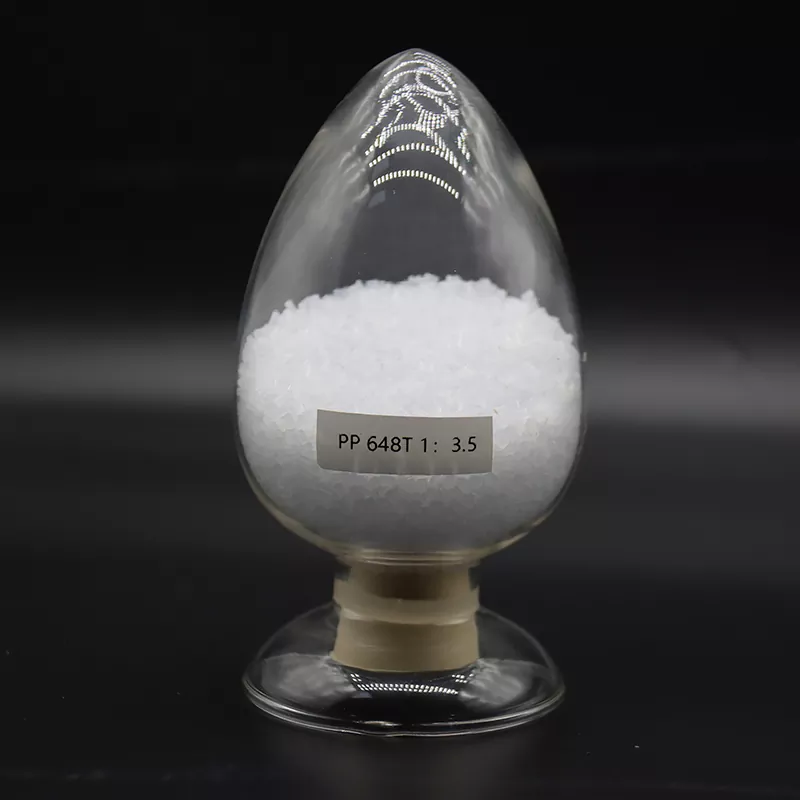
1. What Is PP Food Container Additive?
PP Food Container Additive refers to functional materials incorporated into polypropylene during compounding or processing to modify specific properties of the base resin. Depending on the formulation, these additives can help improve mechanical performance, processing behavior, appearance, and other characteristics required for food packaging applications.
Different food containers have different performance requirements. A disposable takeaway box, a reusable storage container, and a microwaveable food tray may require different material characteristics. Selecting the appropriate additive system allows manufacturers to adjust PP formulations according to the intended application.
2. Why Are Functional Additives Important in PP Food Containers?
Food packaging manufacturers must balance product quality, production efficiency, material costs, and application requirements. Functional additives help address these challenges by modifying the properties of polypropylene without requiring a complete change of the base material.
- Improved Mechanical Performance: Appropriate additive formulations can help enhance stiffness, impact resistance, or other mechanical properties, depending on the product requirements.
- Better Processing Efficiency: Certain additives can improve melt flow, processing stability, and production consistency, helping manufacturers optimize molding operations.
- Enhanced Appearance: Functional additives may help improve surface characteristics, color consistency, and the overall appearance of finished containers.
- Customized Material Properties: Different formulations can be selected to meet specific requirements for disposable, reusable, or specialized food packaging products.
3. What Performance Benefits Can PP Food Container Additive Deliver?
The actual performance of PP food containers depends on the base resin, additive selection, dosage, processing conditions, and final product design. The following table summarizes common performance objectives that manufacturers may consider when developing additive formulations.
| Performance Objective | Potential Benefit | Application Value |
|---|---|---|
| Stiffness Improvement | Enhanced structural rigidity | Helps containers maintain their shape |
| Impact Modification | Improved resistance to physical impact | Reduces the risk of damage during handling |
| Processing Optimization | More consistent processing behavior | Supports efficient molding operations |
| Appearance Improvement | Better surface and visual consistency | Supports attractive finished packaging |
| Functional Customization | Properties adjusted to specific needs | Supports different container designs |
It is important to select additives according to actual production requirements rather than assuming that one formulation can satisfy every application. Food-contact compliance must also be evaluated for the complete formulation and intended conditions of use.
4. Where Is PP Food Container Additive Commonly Used?
Polypropylene is suitable for manufacturing a wide range of food packaging products. With properly selected additives, manufacturers can further optimize material performance for different container structures and usage scenarios.
- Takeaway Food Containers: Material optimization can support container rigidity and durability during food delivery and handling.
- Microwaveable Food Trays: Appropriate PP formulations can be developed to meet specified heat-resistance and dimensional-stability requirements.
- Food Storage Containers: Additive selection can help improve mechanical properties and support repeated handling requirements.
- Dairy and Food Packaging: Functional PP materials can be used in packaging components designed for dairy products and other food applications.
- Disposable Food Packaging: Optimized formulations can help manufacturers balance product performance and production efficiency.
For food-contact applications, manufacturers should verify that all raw materials and additives comply with the applicable food-contact regulations in their target markets. Performance testing should be conducted under the intended processing and usage conditions.
5. How Should Manufacturers Choose the Right PP Food Container Additive?
Choosing a suitable additive requires a clear understanding of the finished product, production process, and performance expectations. Before selecting a formulation, manufacturers should consider the following factors:
- Product Application: Identify whether the final container is designed for takeaway meals, food storage, microwave use, or other applications.
- Required Material Properties: Determine the necessary balance of stiffness, toughness, appearance, and processing characteristics.
- Processing Compatibility: Evaluate whether the additive is compatible with the PP resin, injection molding, thermoforming, or other manufacturing processes.
- Food-Contact Requirements: Confirm regulatory suitability and supporting compliance documentation for the intended market.
- Cost and Production Efficiency: Consider additive dosage, material consumption, production stability, and overall manufacturing costs.
Conducting laboratory evaluations and production trials is an important step in confirming whether a selected additive formulation delivers the expected results.
6. GP Materials Technology (Jiangsu) Co., Ltd.: Supporting PP Material Optimization
As manufacturers face increasingly diverse requirements in plastic processing and food packaging, selecting suitable material solutions becomes essential. GP Materials Technology (Jiangsu) Co., Ltd. is a company to consider when exploring PP Food Container Additive solutions for polypropylene applications.
For food container manufacturers, the objective is not simply to add another ingredient to the raw material. It is to achieve a suitable balance between material performance, processing requirements, finished-product quality, and production costs. A properly selected additive formulation can support this objective while helping manufacturers adapt their products to different packaging applications.
When evaluating a potential material supplier, buyers should pay attention to product specifications, technical documentation, formulation compatibility, and application testing. Clear communication about processing conditions and final product requirements also helps identify more appropriate material solutions.
7. Conclusion: Building Better Food Packaging with the Right Additive
PP Food Container Additive is an important component in the development of functional polypropylene food packaging materials. From improving mechanical properties and processing behavior to supporting product customization, suitable additives can help manufacturers address different production challenges and application requirements.
For businesses looking to optimize PP food container production, choosing the right formulation and working with a reliable material supplier are essential steps. GP Materials Technology (Jiangsu) Co., Ltd. welcomes discussions with manufacturers and industry buyers interested in polypropylene material solutions.
Looking for a suitable PP Food Container Additive for your manufacturing needs? Contact us today to discuss your application requirements, explore material solutions, and find the right direction for your food packaging production.