

Sodium Perchlorate is an inorganic chemical compound used in specialized industrial, laboratory, and chemical-processing applications. For industrial purchasers, distributors, and quality managers, sourcing this material involves more than comparing prices. Product identity, purity documentation, packaging integrity, transport classification, storage compatibility, and regulatory compliance all contribute to a dependable supply process.
Because sodium perchlorate is a strong oxidizing substance, responsible procurement and handling are especially important. This guide explains its basic characteristics, common industrial considerations, quality documentation, supplier evaluation, safe storage principles, and the questions buyers should resolve before placing an order.
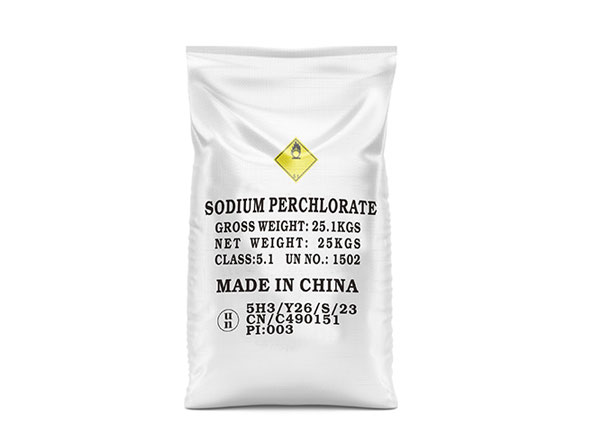
1. Understanding Sodium Perchlorate
Sodium Perchlorate is an inorganic salt with the chemical formula NaClO4. It consists of sodium ions and perchlorate ions and is generally encountered in industrial or laboratory supply chains as a solid chemical product. Commercial grades and physical forms may differ according to manufacturing specifications and intended applications.
Its most important safety characteristic is its oxidizing nature. Oxidizers can intensify combustion when they come into contact with incompatible materials. Sodium perchlorate therefore requires suitable controls for storage, handling, transportation, and waste management.
For purchasing teams, a clear distinction must be made between the chemical's identity and the requirements of a particular grade. A product described simply as sodium perchlorate may not automatically meet every application requirement. The buyer should confirm the required specification, quality documentation, intended use, and applicable regulatory conditions before procurement.
2. Key Characteristics and Product Identification
Correct product identification is essential for purchasing, inventory management, and workplace safety. The chemical name, formula, grade designation, and supplier documentation should agree with one another.
Product Identity
Sodium perchlorate is identified by the formula NaClO4. Buyers should verify the product name and chemical identity on the product label, safety data sheet (SDS), certificate of analysis (CoA), and commercial documentation.
Physical Form and Appearance
Commercial material is commonly supplied as a solid, but the precise appearance and physical specifications should be confirmed from the current product documentation. Visual appearance alone cannot establish purity or prove that a batch meets a particular specification.
Oxidizing Behavior
The oxidizing property of sodium perchlorate is central to its safe management. Contact with incompatible substances, contamination, unsuitable storage conditions, or uncontrolled exposure to heat can create serious hazards. Buyers should consult the current SDS and relevant professional guidance rather than relying on generic handling assumptions.
Grade and Intended Use
Different purchasers may require different analytical limits, impurity controls, packaging arrangements, or documentation. A laboratory purchaser, for example, may require traceable analytical results, while an industrial purchaser may focus on conformity with a defined process specification.
The appropriate grade should be determined by the legitimate application and verified against the supplier's documented specifications.
3. Industrial Applications and Purchasing Considerations
Sodium perchlorate is used in specialized chemical and laboratory contexts. Its suitability for any particular process depends on the technical specification, applicable safety controls, and legal requirements associated with the intended use.
Specialized Chemical Manufacturing
Certain chemical manufacturing operations use perchlorate compounds as controlled industrial inputs. Businesses purchasing material for these operations should verify process compatibility through qualified technical personnel and ensure that the facility has appropriate procedures for oxidizing substances.
Laboratory and Analytical Work
Laboratories may procure chemicals for approved analytical or research purposes. In these settings, traceability, defined purity limits, documentation, and compatibility with the analytical method can be important purchasing criteria.
Institutional and Industrial Procurement
Organizations that buy specialized chemicals in volume need a consistent supplier qualification process. This includes confirming that the material matches the purchase specification, that documentation is complete, and that the proposed delivery method is legally permitted.
| Purchasing Context | Primary Consideration | Recommended Verification |
|---|---|---|
| Industrial chemical supply | Specification conformity | Approved product specification and batch documentation |
| Laboratory procurement | Analytical suitability | Grade requirements and certificate of analysis |
| Bulk purchasing | Consistency between deliveries | Batch traceability and documented quality controls |
| International shipment | Legal transport and import requirements | Current classification, shipping documents, and destination rules |
Application-specific suitability should always be assessed by qualified professionals. General product information cannot replace a formal technical review or a site's chemical risk assessment.
4. How to Evaluate Product Quality
Reliable chemical procurement depends on objective documentation and defined acceptance criteria. Buyers should avoid treating a product description or an informal assurance as proof that a shipment meets the required specification.
Review the Certificate of Analysis
A certificate of analysis records the quality results associated with a product or batch. Depending on the grade and specification, the document may identify relevant analytical characteristics, acceptance limits, test methods, and batch details.
Check that the certificate refers to the correct product and batch. Confirm that the reported results correspond to the purchase specification and that the issuing organization is identifiable.
Confirm Specification Consistency
The product specification, quotation, order confirmation, label, SDS, and CoA should describe the same material and grade. Inconsistencies can cause receiving delays, quality disputes, or unsuitable material entering a process.
Check Traceability
Batch identification and traceable records help organizations investigate quality issues and manage inventory. For regulated or quality-sensitive operations, the purchasing agreement should state what records accompany each delivery and how discrepancies are resolved.
Assess Packaging Integrity
Packaging should be appropriate for the product, shipment conditions, and applicable dangerous-goods requirements. Buyers should establish how damaged packaging, labeling errors, or missing documents will be handled before dispatch.
5. How to Choose a Reliable Sodium Perchlorate Supplier
Supplier selection is an important part of chemical risk management. A capable supplier should be able to communicate product specifications clearly, provide appropriate documentation, and explain the applicable shipping and handling arrangements.
Evaluate Technical Communication
A professional supplier should be able to identify the offered grade, explain which documents are available, and clarify the scope of its product specifications. Questions about quality, packaging, or compliance should receive consistent, documented responses.
Review Quality Management
Ask about batch identification, inspection procedures, document control, complaint handling, and the process used to investigate nonconforming products. Any certification or quality claim should be verified for its actual scope and validity.
Confirm Supply and Delivery Conditions
Lead times, minimum order quantities, packaging options, and shipment arrangements should be agreed upon in writing. For controlled or hazardous chemical shipments, delivery planning must account for applicable transport rules and the receiving facility's capabilities.
Assess Commercial Transparency
Quotations should clearly identify the product, grade, quantity, packaging, delivery terms, required documents, and other relevant commercial conditions. Transparent documentation helps buyers compare offers on a consistent basis.
| Supplier Evaluation Factor | What to Review | Why It Matters |
|---|---|---|
| Product specification | Clear grade and acceptance criteria | Reduces the risk of material mismatch |
| Quality documentation | CoA, SDS, and traceability records | Supports quality assurance and compliance |
| Packaging capability | Suitable, compliant packaging and labels | Helps protect the product during handling and transport |
| Delivery planning | Lead time and permitted transport arrangements | Supports dependable receiving and inventory planning |
| Customer support | Clear responses and documented issue resolution | Improves communication throughout the supply process |
6. Regulatory Compliance and Documentation
Sodium perchlorate procurement may be subject to chemical safety, workplace, environmental, dangerous-goods transport, import, export, or other jurisdiction-specific requirements. Applicable obligations depend on the country, intended use, quantity, shipment configuration, and current regulations.
Safety Data Sheet
The current SDS is a key reference for hazard identification, exposure controls, personal protective equipment, storage compatibility, emergency measures, and disposal considerations. Buyers should ensure that the document corresponds to the supplied product and is accessible to relevant personnel.
Dangerous-Goods Classification
Transport classification must be established from the current applicable regulations and verified product information. Do not assume a transport category or identification number based solely on a generic chemical name or an old shipping document.
Import and Export Requirements
Before arranging international delivery, confirm whether permits, declarations, carrier restrictions, special packaging, or additional documentation apply. The supplier, importer, freight forwarder, and receiving organization should agree on their respective responsibilities.
Receiving and Recordkeeping
Organizations should maintain appropriate records of purchase orders, batch identification, quality documents, receiving inspections, inventory movements, and incidents. Recordkeeping supports traceability and helps demonstrate that internal procedures are being followed.
7. Storage, Handling, and Workplace Safety
Sodium perchlorate should be managed according to its oxidizing hazard and the specific instructions in the current SDS. A safe storage program should be based on a documented risk assessment rather than on general warehouse practices alone.
Maintain Compatible Storage Conditions
Store the material only in an area approved for the chemical and its hazard classification. Prevent contamination and avoid contact with incompatible substances, especially combustible or readily oxidizable materials. Storage arrangements should follow the supplier's SDS and the site's chemical segregation procedures.
Control Access and Identification
Containers should remain properly identified, closed as specified, and protected from damage. Access should be limited to trained and authorized personnel. Inventory records should identify the product and support timely inspection.
Use Appropriate Risk Controls
Personnel should receive training in chemical hazard recognition, required protective equipment, spill response, incident reporting, and emergency procedures. Controls should be determined by a qualified safety professional based on the material, task, and workplace.
Plan for Abnormal Conditions
Damaged containers, contamination, unexpected heating, or other abnormal conditions should be handled under a formal site emergency procedure. Personnel should not improvise cleanup methods or mix the material with other chemicals. Escalate incidents to trained emergency or hazardous-materials personnel as appropriate.
Waste, residues, and empty containers must be managed under applicable environmental and hazardous-waste rules. Do not assume that a container is safe for ordinary disposal simply because it appears empty.
8. Packaging and Transportation Considerations
Safe transport requires coordination between the supplier, carrier, and receiving organization. Packaging must be suitable for the product and compliant with the rules applicable to the shipment.
Packaging Integrity
Packaging should protect the product against foreseeable damage and maintain the required containment throughout normal handling. Buyers should establish requirements for package condition, closure, labeling, and inspection before dispatch.
Accurate Shipping Documentation
Shipment records should agree with the product identity, applicable classification, package information, and transport documents. Missing or inconsistent information can delay a shipment or create compliance concerns.
Receiving Facility Preparedness
The receiving site should be equipped and authorized to accept the shipment. Before delivery, confirm the receiving procedure, storage capacity, trained personnel, inspection process, and arrangements for reporting damaged or nonconforming packages.
International Coordination
International orders may involve multiple regulatory systems and carrier policies. Confirm the applicable requirements for the origin, transit route, destination, and mode of transport rather than relying on a previous shipment as proof of current compliance.
9. Common Procurement Challenges and Practical Solutions
Incomplete Technical Documentation
Missing or inconsistent specifications can make it difficult to determine whether a product is suitable. Request the necessary documentation before final approval and establish acceptance criteria in the purchase order.
Unexpected Delivery Delays
Controlled chemical shipments may require specific packaging, carrier arrangements, and regulatory checks. Build these requirements into the procurement schedule and confirm shipment readiness before committing to a delivery date.
Unclear Grade Requirements
A general product name may not adequately define the material needed. Specify the intended application and required grade, and obtain written confirmation from the supplier that the offered product matches those requirements.
Packaging or Labeling Discrepancies
Differences between the order documents and delivered containers should be addressed before the material is released for use. Establish a receiving inspection process and quarantine nonconforming deliveries according to site procedures.
Insufficient Safety Planning
Procurement decisions should account for the receiving facility's ability to store, handle, and manage the chemical safely. Confirm staff training, storage arrangements, emergency procedures, and waste management before the material arrives.
10. Frequently Asked Questions
What is Sodium Perchlorate?
Sodium perchlorate is an inorganic salt with the chemical formula NaClO4. It is a strong oxidizing substance used in specialized industrial and laboratory contexts. Its suitability depends on the product grade, intended application, and applicable safety and regulatory requirements.
What should buyers verify before purchasing Sodium Perchlorate?
Buyers should confirm the chemical identity, grade, specification, certificate of analysis, current safety data sheet, batch traceability, packaging requirements, and applicable legal conditions for purchase and transport.
Why is a certificate of analysis important?
A certificate of analysis provides documented information about a batch's tested quality characteristics. It helps buyers check whether the supplied material meets the agreed specification.
Why does Sodium Perchlorate require special safety precautions?
It is an oxidizer and can intensify combustion when exposed to incompatible materials or unsuitable conditions. Safe management requires appropriate storage, trained personnel, hazard controls, and compliance with the current SDS.
How should Sodium Perchlorate be stored?
Storage should follow the current SDS, applicable regulations, and a site-specific risk assessment. The material should be kept in an approved area with suitable segregation from incompatible substances and protection against contamination and package damage.
What documents may be required for international shipments?
Requirements vary by jurisdiction and shipment. They may include product and batch documentation, an SDS, compliant labeling, transport documentation, customs declarations, permits, or other records required by the relevant authorities and carriers.
How can a buyer evaluate a chemical supplier?
Review specification accuracy, quality documentation, batch traceability, regulatory competence, packaging arrangements, delivery planning, and the supplier's process for resolving quality issues. Verify claims and certifications rather than relying on unsupported assurances.
What should happen if a container arrives damaged?
Follow the site's receiving and emergency procedures. Keep personnel away from potential hazards, avoid handling or cleaning the material without appropriate training, and contact the designated safety team and qualified hazardous-materials professionals.
Can Sodium Perchlorate be handled like an ordinary industrial salt?
No. Its oxidizing hazard means that storage, handling, transport, and waste management must follow appropriate chemical safety controls. Ordinary warehouse practices may not be sufficient.
Why is supplier communication important?
Clear communication helps ensure that the product grade, specification, documents, packaging, delivery conditions, and receiving requirements are understood before an order is placed. This reduces avoidable procurement and compliance problems.
11. Conclusion: Building a More Reliable Chemical Supply Process
Responsible Sodium Perchlorate procurement requires coordinated attention to product specifications, quality documentation, regulatory compliance, packaging, transport, and workplace safety. The chemical's oxidizing properties make careful supplier evaluation and appropriate risk management particularly important.
Buyers can reduce uncertainty by defining their legitimate application requirements in advance, verifying batch documentation, reviewing the current SDS, confirming legal shipping arrangements, and ensuring that the receiving facility is prepared to manage the product.
A reliable supplier relationship is built on accurate information, transparent documentation, consistent communication, and clearly defined responsibilities. These practices help organizations make better purchasing decisions and maintain a more dependable chemical supply process.
Yangzhou Feixiang Chemical Co., Ltd. is the company name specified for this article. Prospective buyers should verify the company's current product range, relevant certifications, supply capabilities, and regulatory documentation directly before making purchasing decisions.
Need More Information About Sodium Perchlorate Supply?
When evaluating a chemical supplier, begin by confirming the required product specification, applicable safety documentation, intended use, and delivery requirements. These details help establish whether a proposed product and supply arrangement meet your organization's technical and compliance needs.
If you are considering Yangzhou Feixiang Chemical Co., Ltd. as a potential supplier, request current product information, the applicable safety data sheet, batch quality documentation, and confirmation of the relevant legal supply and transportation requirements.
For product inquiries and purchasing discussions, contact us through the company's verified official contact channels to confirm current availability, specifications, documentation, and supply conditions.
Safety note: This article provides general procurement and safety information, not a substitute for the current product SDS, qualified professional advice, site-specific risk assessments, or applicable chemical and transport regulations.