
How Can Solvent Dye Improve Color Performance and Durability?
2025-11-19
Solvent dyes have become an indispensable component in various industrial applications, offering vibrant colors, high solubility in organic solvents, and excellent stability. These dyes are widely used in plastics, coatings, inks, and other manufacturing processes where high color performance is essential.
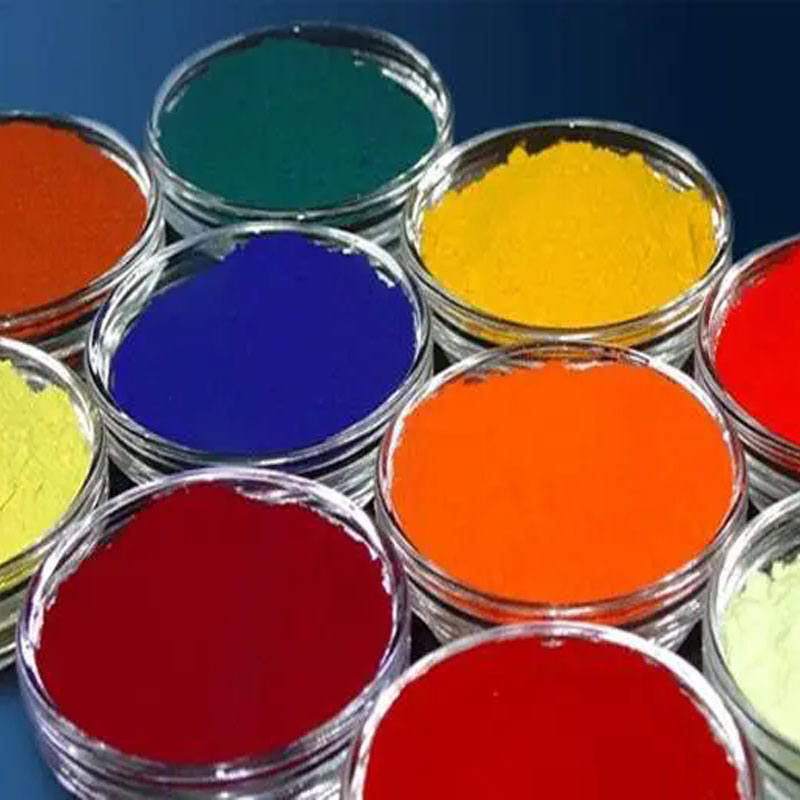
What Are the Key Advantages of Solvent Dye for Industrial Applications?
Solvent dyes are highly valued for their unique chemical properties that allow them to perform efficiently across multiple industrial sectors. The key advantages include:
-
High Solubility – Unlike water-soluble dyes, solvent dyes dissolve readily in organic solvents, ensuring uniform dispersion in coatings, inks, and plastics.
-
Excellent Color Strength – These dyes produce vibrant, concentrated colors, reducing the required dye amount per batch and improving production efficiency.
-
Thermal and Chemical Stability – Solvent dyes maintain their color integrity under high temperatures and resist fading from chemical exposure.
-
Compatibility – Solvent dyes can be used with a wide range of materials, including polymers, synthetic fibers, and various liquid media.
-
Customizability – Manufacturers can formulate dyes in specific hues and shades tailored to industrial requirements.
Product Parameters of Typical Solvent Dyes:
| Parameter | Specification Range | Notes |
|---|---|---|
| Solubility | Organic solvents (alcohols, ketones) | Complete solubility without sedimentation |
| Color Strength | High | Maintains uniformity in plastics and inks |
| Thermal Stability | 200–300°C | Suitable for extrusion and molding |
| Chemical Resistance | Excellent | Resistant to acids, alkalis, and solvents |
| Particle Size | <10 microns | Ensures smooth dispersion |
| Application Methods | Spraying, extrusion, solvent blending | Compatible with industrial processes |
| Available Forms | Liquid, powder, granules | Flexible usage based on production needs |
These characteristics make solvent dyes a preferred choice for manufacturers seeking durability, vibrancy, and operational efficiency.
Why Are Solvent Dyes Essential in Modern Manufacturing Processes?
The modern manufacturing landscape demands both aesthetic excellence and material functionality. Solvent dyes contribute significantly in several ways:
-
Enhancing Product Aesthetics – Solvent dyes provide sharp, consistent colors in products such as packaging films, plastic components, and automotive parts.
-
Reducing Production Costs – High color strength allows manufacturers to use less dye while achieving the desired color intensity, minimizing waste and material expenses.
-
Improving Environmental Safety – Certain solvent dyes are engineered with low volatile organic compounds (VOCs), supporting regulatory compliance and reducing workplace hazards.
-
Supporting Innovation – The adaptability of solvent dyes enables the creation of special effects, metallic shades, and transparent color formulations, expanding the design possibilities for advanced products.
-
Maintaining Performance Under Stress – Industrial products often undergo heat, friction, and chemical exposure. Solvent dyes maintain their stability, ensuring the product retains both appearance and functional integrity.
By integrating solvent dyes into production, industries can achieve a balance between visual appeal, functional durability, and cost efficiency.
How Can Manufacturers Maximize the Performance of Solvent Dyes?
Optimizing the use of solvent dyes involves understanding their chemical properties, application techniques, and compatibility with different materials. Key considerations include:
-
Correct Solvent Selection – Solvent choice impacts solubility, dispersion, and color intensity. Alcohols, ketones, and aromatic solvents are commonly recommended based on the specific dye and application.
-
Proper Dosage Control – Achieving the target color requires accurate measurement of dye concentration to avoid over- or under-coloration.
-
Temperature Management – High-temperature processes, such as extrusion or molding, require dyes with proven thermal stability to prevent degradation.
-
Mixing and Dispersion Techniques – Mechanical or ultrasonic dispersion ensures uniform color distribution, particularly in viscous or polymer-based media.
-
Quality Assurance Testing – Regular testing for color fastness, chemical resistance, and thermal performance ensures consistent product quality across production batches.
Future Trends in Solvent Dye Development:
-
Eco-Friendly Formulations – Development of solvent dyes with minimal environmental impact and reduced VOC emissions.
-
High-Performance Variants – New dyes capable of withstanding extreme heat, UV exposure, and chemical attack for specialized applications.
-
Digital Integration – Use of advanced spectrophotometry and predictive modeling to optimize color formulation and reduce production errors.
-
Special Effects and Functional Dyes – Innovation in dyes that provide metallic, fluorescent, or transparent effects for advanced industrial designs.
By adopting these strategies, manufacturers can leverage solvent dyes not only for color enhancement but also for functional performance improvements.
Solvent Dye Common Questions (FAQ)
Q1: What materials are compatible with solvent dyes?
A1: Solvent dyes are compatible with plastics, synthetic fibers, coatings, inks, waxes, and other organic-based materials. They dissolve uniformly in organic solvents, providing consistent coloration without sedimentation.
Q2: How does thermal stability affect solvent dye performance?
A2: Thermal stability determines whether a dye can maintain color integrity during high-temperature processes such as extrusion, molding, or curing. Dyes with high thermal resistance prevent fading or color changes under operational heat conditions.
Q3: Why is chemical resistance important for solvent dyes?
A3: Chemical resistance ensures that dyed materials maintain their appearance and functionality when exposed to acids, alkalis, or solvents. This property is critical for industrial applications where materials encounter harsh chemicals during use or cleaning.
In conclusion, solvent dyes provide unparalleled benefits in terms of color strength, solubility, and durability, making them a key component in modern industrial manufacturing. Their adaptability across materials and processes allows industries to achieve aesthetic and functional excellence while optimizing costs. By embracing eco-friendly, high-performance formulations, and advanced application methods, manufacturers can stay ahead in product innovation and quality.
For high-quality solvent dyes and tailored industrial solutions, HANGZHOU TONGGE ENERGY TECHNOLOGY CO., LTD. offers reliable products that meet stringent manufacturing requirements. Contact us for more information and personalized assistance.