
How Do Petroleum Resins Improve Industrial Performance?
2026-07-01
Article Summary
Petroleum resins are a class of thermoplastic hydrocarbon resins derived from the polymerization of petroleum-based byproducts such as C5 and C9 fractions. They play a critical role in enhancing the performance of adhesives, coatings, rubber compounding, printing inks, and road-marking materials. This article explores their composition, manufacturing process, key properties, industrial applications, and selection criteria. It also addresses common challenges faced by buyers and formulators, providing practical insights for improving product performance and cost efficiency. Finally, it introduces Harvest Enterprise as a reliable supplier of high-quality petroleum resin solutions for global industries.
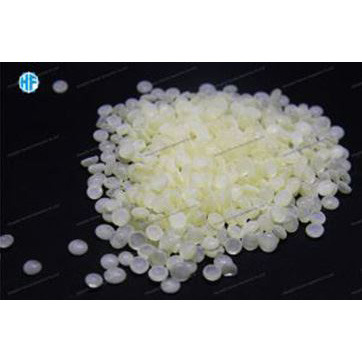
Table of Contents
- 1. Overview of Petroleum Resins
- 2. Main Types of Petroleum Resins
- 3. Manufacturing Process Explained
- 4. Key Properties and Advantages
- 5. Industrial Applications
- 6. Common Challenges and Practical Solutions
- 7. How to Select the Right Petroleum Resin
- 8. Why Choose Harvest Enterprise
- 9. Frequently Asked Questions
1. Overview of Petroleum Resins
Petroleum resins are synthetic resins produced through the polymerization of unsaturated hydrocarbons obtained from petroleum cracking processes. Unlike natural resins, they offer more consistent performance, controllable molecular weight distribution, and tunable compatibility with different polymers.
They are widely used as tackifiers, modifiers, and performance enhancers in industrial formulations. Their primary function is to improve adhesion, increase flexibility, enhance gloss, and optimize viscosity in end-use applications.
In modern manufacturing industries, petroleum resins are considered essential additives that bridge performance gaps in base materials such as natural rubber, synthetic rubber, EVA, and various polymer systems.
2. Main Types of Petroleum Resins
Petroleum resins are typically classified based on feedstock and molecular structure. Each type has unique compatibility and performance characteristics.
| Type | Main Feedstock | Key Characteristics | Typical Applications |
|---|---|---|---|
| C5 Resin | Aliphatic olefins | Excellent flexibility, good tackiness | Hot melt adhesives, rubber compounding |
| C9 Resin | Aromatic hydrocarbons | High gloss, strong adhesion | Coatings, inks, paints |
| C5/C9 Copolymer Resin | Mixed hydrocarbons | Balanced performance, improved compatibility | Adhesives, sealants |
| Hydrogenated Resin | C5/C9 after hydrogenation | Color stability, UV resistance | High-end coatings, hygiene products |
3. Manufacturing Process Explained
The production of petroleum resins involves several key steps, each of which influences final product quality and performance.
- Feedstock Preparation: Separation of C5 and C9 fractions from petroleum cracking streams.
- Polymerization: Catalytic polymerization under controlled temperature and pressure.
- Neutralization: Removal of catalysts and impurities.
- Distillation: Refining to adjust softening point and molecular weight.
- Modification (optional): Hydrogenation to improve stability and color.
Each stage is tightly controlled to ensure consistent softening point, viscosity, and compatibility with downstream applications.
4. Key Properties and Advantages
Petroleum resins provide a combination of physical and chemical properties that make them indispensable in industrial formulations.
- Excellent tackifying performance for adhesives
- Improved thermal stability in processed materials
- Enhanced gloss and surface finish
- Good compatibility with a wide range of polymers
- Cost-effective performance improvement additive
- Adjustable softening point for different industrial needs
These properties allow manufacturers to optimize product performance without significantly increasing production costs.
5. Industrial Applications
Petroleum resins are widely used across multiple industries due to their adaptability and functional benefits.
- Adhesives: Hot melt adhesives, pressure-sensitive adhesives, packaging tapes
- Coatings: Road marking paints, industrial coatings, protective finishes
- Printing Inks: Offset printing, flexographic inks, gravure inks
- Rubber Industry: Tire manufacturing, shoe soles, industrial rubber goods
- Construction: Asphalt modification and waterproofing materials
In each application, petroleum resins act as performance enhancers that improve bonding strength, flexibility, and durability.
6. Common Challenges and Practical Solutions
Despite their advantages, formulators often face challenges when integrating petroleum resins into production systems.
Challenge 1: Compatibility Issues
Some resins may not blend well with specific polymer systems, leading to phase separation.
Solution: Use copolymer or hydrogenated resins to improve compatibility.
Challenge 2: Color Instability
Non-hydrogenated resins may darken over time.
Solution: Select hydrogenated grades for light-colored applications.
Challenge 3: Thermal Sensitivity
Certain formulations degrade under high processing temperatures.
Solution: Choose resins with higher softening points.
Challenge 4: Cost Optimization
Balancing performance and cost remains a key concern.
Solution: Optimize resin blending ratios based on application requirements.
7. How to Select the Right Petroleum Resin
Selecting the appropriate petroleum resin depends on the end-use application and performance requirements. The following criteria are commonly considered:
- Softening point requirements
- Polymer compatibility
- Color stability needs
- Thermal and UV resistance
- Viscosity and tack level
A structured selection approach ensures optimal performance while minimizing formulation risks and production inefficiencies.
8. Why Choose Harvest Enterprise
Harvest Enterprise is a professional supplier specializing in petroleum resin products designed for global industrial applications. With a strong focus on quality control, consistent production standards, and customer-oriented customization, the company supports manufacturers in achieving stable and high-performance formulations.
By working with Harvest Enterprise, customers benefit from:
- Stable product quality across batches
- Wide range of resin types and specifications
- Technical support for formulation optimization
-
Reliable supply chain and export experience
9. Frequently Asked Questions
Q1: What are petroleum resins mainly used for?
A: They are primarily used as tackifiers and performance modifiers in adhesives, coatings, inks, rubber products, and construction materials.
Q2: Are petroleum resins environmentally safe?
A: Modern production techniques and hydrogenation processes significantly improve safety and stability, making them suitable for many industrial applications when properly formulated.
Q3: What is the difference between C5 and C9 resins?
A: C5 resins are more flexible and suitable for adhesives, while C9 resins offer better gloss and hardness, commonly used in coatings and inks.
Q4: Can petroleum resins be customized?
A: Yes, parameters such as softening point, color, and molecular weight can be adjusted according to application needs.
Q5: Why is hydrogenation important?
A: Hydrogenation improves color stability, UV resistance, and long-term performance, making resins suitable for high-end applications.
Petroleum resins continue to play a vital role in modern industrial systems by improving product performance, reducing formulation costs, and enabling innovation across multiple sectors. Choosing the right supplier and resin type is essential for achieving consistent and reliable results.
For tailored solutions, technical consultation, and high-quality petroleum resin supply, Harvest Enterprise is ready to support your business needs. Contact us today to explore how our materials can enhance your production performance and competitiveness.