

How Do Silicone Materials Enhance Durability and Reliability of NEV Power Electronics
2026-10-21
Power electronics sit at the heart of every new energy vehicle, converting and controlling energy between the battery, motor, and charging system. As these systems become more compact and powerful, Silicone Materials for NEVs have emerged as a critical enabler of long-term performance. At Jiangnan, we engineer silicone solutions that help manufacturers meet demanding durability and reliability targets in real-world driving conditions.
Why Power Electronics Demand Robust Protection
Inverters, on-board chargers, DC-DC converters, and motor controllers face a punishing combination of heat, vibration, moisture, and voltage stress. Conventional materials often degrade under these conditions, leading to insulation faults, thermal drift, and premature failure. Silicone Materials for NEVs address these challenges through inherent thermal stability, elastic recovery, and electrical insulation.
Key Ways Silicone Materials Improve Durability and Reliability
-
Thermal stability: Silicones withstand continuous temperatures from -50°C to 200°C and beyond, protecting power modules during peak load cycles.
-
Vibration damping: Flexible silicone potting and gap fillers absorb mechanical shock, reducing solder joint fatigue and component stress.
-
Moisture and contamination resistance: Hydrophobic silicone seals prevent water ingress and corrosion in humid or splash-exposed areas.
-
Electrical insulation: High dielectric strength silicones safeguard high-voltage circuits against tracking and short circuits.
-
Thermal interface performance: Thermally conductive silicones transfer heat efficiently from power devices to heat sinks, extending service life.
Performance Comparison Table
| Property | Silicone Materials | Conventional Organic Materials |
|---|---|---|
| Continuous service temperature | Up to 200°C+ | Typically 120–150°C |
| Flexibility after aging | Retains elasticity | Becomes brittle |
| Dielectric strength | High and stable | Degrades with heat/moisture |
| Moisture resistance | Hydrophobic | Requires additional protection |
| Vibration damping | Excellent | Limited |
Jiangnan Solutions for NEV Power Electronics
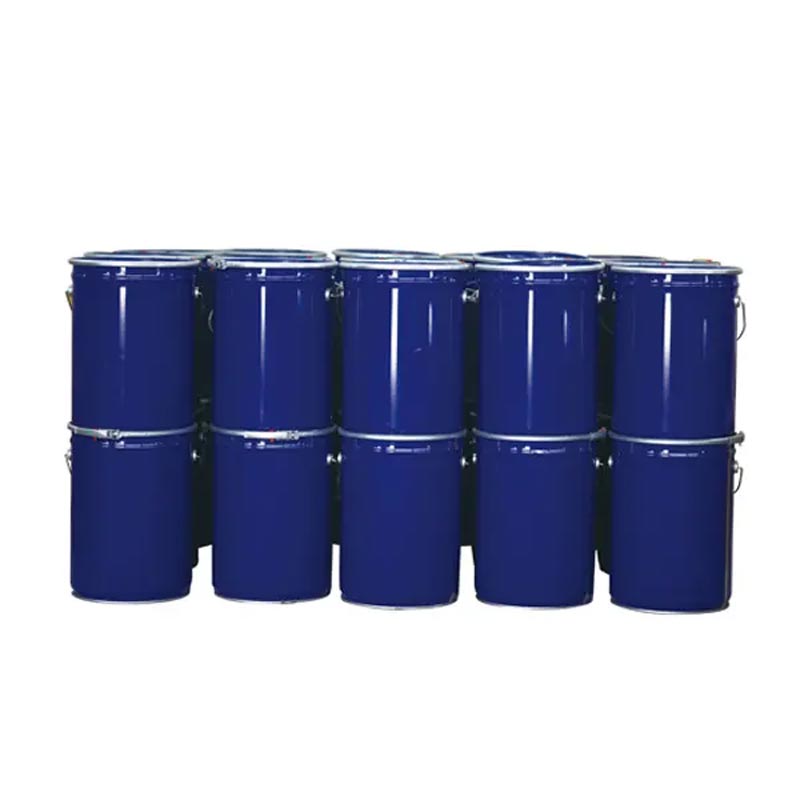
Jiangnan offers a portfolio of Silicone Materials for NEVs tailored to power electronics, including potting gels, thermal gap fillers, conformal coatings, and sealing adhesives. Each formulation is validated for thermal cycling, damp heat, and vibration endurance, helping customers shorten qualification cycles and improve field reliability.
Silicone Materials for NEVs FAQ
Q: What types of silicone materials are used in NEV power electronics?
A: Common types include silicone potting gels for encapsulation, thermally conductive gap fillers for heat dissipation, conformal coatings for PCB protection, and sealing adhesives for housing integration. Each type is selected based on thermal, electrical, and mechanical requirements.
Q: How do silicone materials improve the reliability of NEV power electronics?
A: Silicone materials reduce thermal stress, damp vibration, block moisture, and maintain electrical insulation over time. This combination protects sensitive components from fatigue and environmental degradation, extending service life and reducing failure rates.
Q: Are silicone materials suitable for high-voltage NEV power electronics?
A: Yes. High-performance Silicone Materials for NEVs offer stable dielectric strength and resistance to tracking, making them suitable for high-voltage inverters, chargers, and battery junction boxes when properly specified and validated.
Conclusion
Durability and reliability are non-negotiable in NEV power electronics. Silicone Materials for NEVs from Jiangnan deliver the thermal, mechanical, and electrical protection needed to meet these standards. Contact us today to discuss your application requirements and discover how Jiangnan can support your next power electronics program.