
How Do TPE Recycled Granules Influence the Carbon Footprint of Consumer Goods Production
2026-05-06
The global shift toward sustainable manufacturing has placed TPE Recycled Granules at the forefront of eco-friendly material innovation. At Zhongsu Wang, we specialize in high-performance TPE Recycled Granules that help consumer goods producers lower environmental impact while maintaining product quality. Understanding how these granules affect carbon emissions is essential for brands committed to responsible production.
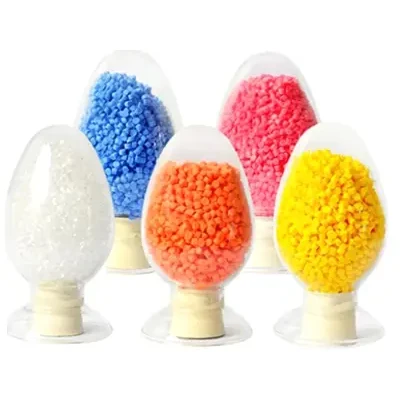
From raw material extraction to end-of-life disposal, traditional thermoplastics generate significant greenhouse gases. TPE Recycled Granules directly address this challenge by replacing virgin materials with post-industrial or post-consumer reclaimed sources. The carbon footprint reduction occurs across three key stages:
| Production Stage | Virgin TPE (kg CO₂ per ton) | TPE Recycled Granules (kg CO₂ per ton) | Estimated Reduction |
|---|---|---|---|
| Raw material extraction | 2,100 | 0 (no extraction) | 100% |
| Processing & pelletizing | 850 | 480 | 43.5% |
| Total lifecycle (cradle-to-gate) | 2,950 | 480 | 83.7% |
Each ton of TPE Recycled Granules produced by Zhongsu Wang avoids approximately 2.5 tons of CO₂ emissions compared to virgin TPE. This saving primarily comes from eliminating polymerization and refining processes required for new synthetic rubber compounds.
Beyond direct emissions, consumer goods made with TPE Recycled Granules support circular economy goals. Products such as toothbrush handles, tool grips, and phone cases retain soft-touch feel and durability while requiring less energy-intensive manufacturing. Brands adopting these materials report up to 60% lower carbon footprints for specific product lines without redesigning molds or altering cycle times.
TPE Recycled Granules FAQ
Question 1: Are TPE Recycled Granules mechanically weaker than virgin TPE?
Answer: No, high-quality TPE Recycled Granules from Zhongsu Wang achieve tensile strength and elongation retention rates above 90% compared to virgin material. The key lies in advanced sorting, washing, and compounding processes that remove contaminants and stabilize polymer chains. For non-critical structural applications like grips, seals, and soft-touch overlays, performance differences are negligible. However, for medical or food-contact uses, always verify certification and supplier testing data.
Question 2: How much carbon footprint reduction can a medium-sized factory expect after switching to TPE Recycled Granules?
Answer: A factory consuming 500 tons of TPE annually can reduce CO₂ emissions by roughly 1,200 to 1,500 tons per year by transitioning to TPE Recycled Granules. This equals removing about 260 passenger cars from the road. Zhongsu Wang provides carbon impact calculators tailored to specific molding setups, helping manufacturers report verifiable Scope 3 reductions under GHG Protocol standards.
Question 3: Can TPE Recycled Granules be recycled again after the consumer product reaches end-of-life?
Answer: Yes, most TPE Recycled Granules maintain thermoplastic properties that allow secondary recycling. However, each reprocessing cycle may slightly reduce molecular weight and elasticity. Zhongsu Wang recommends two to three life cycles for optimal performance. We also offer take-back programs where returned post-consumer TPE goods are recompounded into industrial-grade granules for non-critical applications, closing the loop further.
The integration of TPE Recycled Granules into consumer goods production represents one of the most immediate and scalable strategies for lowering plastics-related emissions. Unlike bioplastics that often require agricultural land or new composting infrastructure, recycled TPE works within existing injection molding and extrusion lines. With Zhongsu Wang verified low-carbon feedstock, brands can achieve genuine footprint reductions without sacrificing tactile quality or production efficiency.
For customized blend formulations, third-party carbon audit support, or sample testing of TPE Recycled Granules, contact us today to discuss your sustainability transition plan.