

How Does a Smoke Suppressor Improve Fire Safety in Polymer Applications?
2026-01-21
Abstract: Smoke suppressors are critical chemical additives that address one of the most dangerous aspects of fires — smoke generation. Beyond merely delaying ignition, modern smoke suppressors significantly reduce smoke density, enhance visibility during emergencies, and lower risks associated with toxic smoke inhalation. This article explains what smoke suppressors are, how they work, why they matter, how to choose the right one, real-world applications, performance comparison, and answers key customer questions.
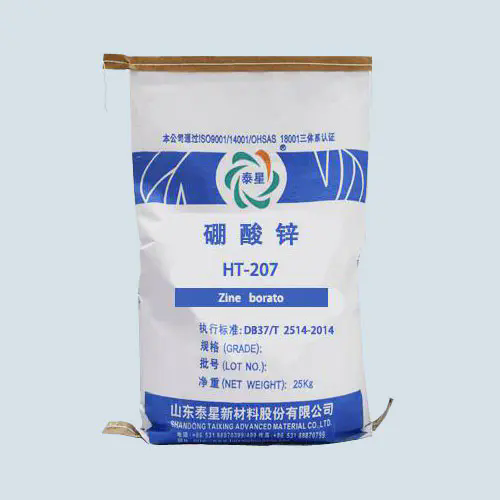
Table of Contents
- 1. What Is a Smoke Suppressor?
- 2. Mechanism of Smoke Suppression
- 3. Benefits for Polymer Products
- 4. Typical Application Areas
- 5. How to Select the Right Smoke Suppressor
- 6. Performance Comparison Table
- 7. Frequently Asked Questions
- 8. Summary and Next Steps
1. What Is a Smoke Suppressor?
A smoke suppressor is a chemical additive designed to reduce the amount and density of smoke released when polymer-based materials burn or are exposed to a thermal event. Polymers such as PVC, PE, PP, PA and elastomers often produce thick, dense smoke under combustion, which can obscure visibility and increase risk for occupants and first responders. Smoke suppressors are incorporated into polymer formulations to achieve low-smoke performance and improve fire safety outcomes.:contentReference[oaicite:0]{index=0}
2. Mechanism of Smoke Suppression
Smoke suppressors function through multiple mechanisms:
- Char Layer Formation: During combustion, many smoke suppressants promote the formation of a stable char layer that acts as a physical barrier, slowing volatile release and reducing smoke precursors.
- Radical Trapping: Certain additives react in the gas phase to neutralize high-energy free radicals that drive combustion, thus reducing smoke generation.
- Thermal Stabilization: Enhanced thermal stability of the polymer matrix limits decomposition pathways that form visible smoke.:contentReference[oaicite:1]{index=1}
3. Benefits for Polymer Products
Incorporating a smoke suppressor into polymer systems provides multiple benefits:
- Lower smoke density and opacity during burning or thermal stress.
- Reduced risk of inhalation hazards for building occupants or users.
- Improved compliance with stringent low-smoke regulations for electrical, transportation and building products.
- Synergistic effects with flame retardants to enhance overall fire performance.:contentReference[oaicite:2]{index=2}
4. Typical Application Areas
Smoke suppressors are widely used across industries where fire safety and low-smoke performance are required:
- Cables & Wires: Low-smoke halogen-free (LSHF) compounds for power and data cables.
- Engineering Plastics: Polymer parts in appliances, electronics and automotive components.
- Rubber Compounds: Conveyor belts, hoses and seals used in industrial settings.
- Coatings & Paints: Smoke-reducing additives for fire-resistant surface coatings.
- Transportation Interiors: Materials used in rail, automotive and aerospace interiors where occupant safety is paramount.
5. How to Select the Right Smoke Suppressor
Choosing the optimal smoke suppressor requires understanding key performance attributes and compatibility:
- Chemical Compatibility: Ensure the smoke suppressor integrates well with the polymer matrix without degrading mechanical properties.
- Processing Stability: High thermal stability ensures the additive survives processing temperatures without premature decomposition.
- Regulatory Compliance: Selection should consider environmental and safety regulations in target markets.
- Performance Metrics: Look at reduction in Total Smoke Release (TSR), peak smoke density and char yield for comparison.
6. Performance Comparison Table
| Type of Smoke Suppressant | Key Feature | Best Application Areas |
|---|---|---|
| Zinc Borate-Based | Environmental, char-promoting, effective smoke reduction | Engineering plastics, wire & cable |
| Ammonium Polyphosphate (APP) | Halogen-free, enhances char formation | Polyester composites, unsaturated resins |
| Molybdate Compounds | Strong smoke suppression via solid phase action | High performance PVC systems |
7. Frequently Asked Questions
Q1: Does a smoke suppressor replace a flame retardant?
A smoke suppressor complements flame retardants but does not replace them. Flame retardants primarily delay ignition and reduce heat release, while smoke suppressors target smoke density and opacity.
Q2: Are smoke suppressors safe for consumer products?
When selected based on regulatory compliance for the intended market and tested under standard fire performance tests, smoke suppressors can be safely used in consumer and industrial polymer applications.
Q3: How do I test smoke suppression performance?
Standard tests such as cone calorimetry measure Total Smoke Release (TSR), Peak Smoke Density, and other metrics to quantify smoke performance of polymer formulations with smoke suppressors.
Q4: Can smoke suppressors impact mechanical properties?
Yes. Some additives can affect tensile strength or elongation at break. Proper formulation and dosage optimization are key to balancing fire performance with mechanical integrity.
8. Summary and Next Steps
Smoke suppressors play a crucial role in advancing fire safety performance for polymer materials by significantly reducing smoke production and improving visibility during fire events. Understanding how they work, where they are most effective, and how to select the right product ensures better outcomes for both safety and regulatory requirements. At Taixing, we offer a range of high-quality smoke suppressor solutions designed for performance and compatibility across various polymer systems.
For custom formulations, technical data, or volume pricing, contact us at Taixing to discuss your specific requirements and how our smoke suppressor products can help you meet your performance goals.