

How Does a Wooden Wick Transform Your Candle Experience?
2026-04-08
Article Summary: Wooden wick candles have gained popularity for their aesthetic appeal, soothing crackling sound, and cleaner burn. However, many users encounter issues such as uneven burning, difficulty lighting, or excessive smoke. This article explores how wooden wicks work, how to use them properly, and how to avoid common problems. It also highlights why choosing high-quality materials from reliable suppliers like Nanjing FNAT can significantly improve your candle-making or candle-using experience.
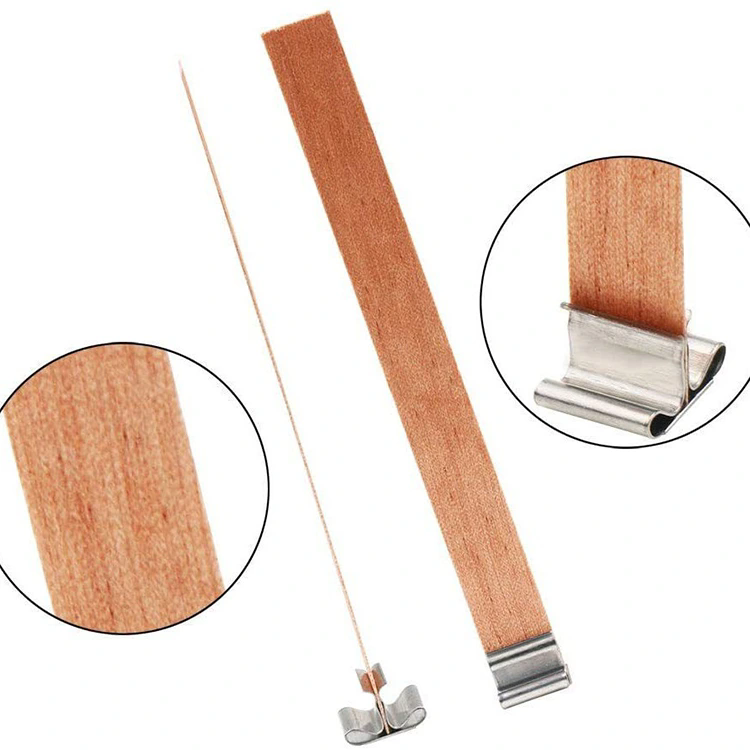
Table of Contents
- What Is a Wooden Wick?
- How Does a Wooden Wick Work?
- Benefits of Using Wooden Wicks
- Common Problems and Solutions
- Wooden Wick vs Cotton Wick
- How to Choose the Right Wooden Wick
- Professional Usage Tips
- FAQ
What Is a Wooden Wick?
A wooden wick is a thin strip of natural wood used in candles as an alternative to traditional cotton wicks. Unlike braided fibers, wooden wicks are typically made from sustainably sourced wood and engineered to provide a stable and aesthetically pleasing flame.
They are widely used in premium candles due to their ability to produce a gentle crackling sound, reminiscent of a fireplace, enhancing the overall ambiance.
How Does a Wooden Wick Work?
Wooden wicks function through capillary action, similar to cotton wicks, but with distinct characteristics. The melted wax is drawn up through the porous structure of the wood and fuels the flame.
However, because wood is denser than cotton, the burn behavior is different. A properly sized wooden wick ensures a consistent flame and efficient wax consumption.
- The wick absorbs melted wax from the base
- The flame vaporizes the wax as fuel
- The wood structure regulates the burn rate
If the wick is too wide or too narrow, it can disrupt this balance, leading to performance issues.
Benefits of Using Wooden Wicks
| Feature | Wooden Wick | Cotton Wick |
|---|---|---|
| Sound Effect | Soft crackling | Silent |
| Appearance | Modern & premium | Traditional |
| Burn Style | Wide flame | Narrow flame |
| Eco-Friendliness | Natural wood | Processed fiber |
Key advantages include:
- Enhanced sensory experience
- Even wax pool distribution
- Minimal soot when properly maintained
- Unique visual appeal
Common Problems and Solutions
Despite their advantages, wooden wicks can present challenges if not used correctly.
1. Difficulty Lighting
Wooden wicks may require multiple attempts to light. This happens when the wick is too long or contains excess carbon buildup.
- Solution: Trim the wick to 3–5mm before lighting
2. Uneven Burning
An uneven melt pool often results from incorrect wick sizing.
- Solution: Choose the correct width and thickness for your container
3. Flame Extinguishing
If the flame goes out quickly, the wick may not be drawing enough wax.
- Solution: Ensure high-quality wax compatibility and proper wick priming
Wooden Wick vs Cotton Wick
Understanding the differences helps users make informed decisions.
- Wooden Wick: Ideal for luxury candles and ambiance-focused products
- Cotton Wick: Suitable for mass production and consistent burn performance
Professionals often prefer wooden wicks for branding differentiation and customer experience enhancement.
How to Choose the Right Wooden Wick
Selecting the correct wooden wick is crucial for performance. Consider the following factors:
- Container Diameter: Larger containers require wider wicks
- Wax Type: Soy wax may need thicker wicks compared to paraffin
- Fragrance Load: High fragrance oils can affect burn behavior
Working with experienced suppliers such as Nanjing FNAT ensures access to tested and optimized wooden wick solutions tailored to various candle formulations.
Professional Usage Tips
- Always trim the wick before each burn
- Allow the melt pool to reach container edges during first use
- Avoid drafts to maintain a steady flame
- Store candles in a cool, dry place
Consistent maintenance significantly improves performance and extends candle lifespan.
FAQ
Q1: Why does my wooden wick produce smoke?
A: Excessive wick length or carbon buildup can cause smoke. Regular trimming resolves this issue.
Q2: How often should I trim a wooden wick?
A: Before every use, ideally to about 3–5mm.
Q3: Are wooden wicks environmentally friendly?
A: Yes, especially when sourced from sustainable materials and reputable manufacturers.
Q4: Can wooden wicks be reused?
A: No, they are designed for single candle use.
In conclusion, wooden wicks offer a premium candle experience but require proper selection and maintenance to perform optimally. Whether you are a candle maker or a brand owner, choosing reliable materials is essential.
If you are looking for high-quality wooden wick solutions, Nanjing FNAT provides professional-grade materials designed to meet diverse production needs. Contact us today to elevate your candle products with superior wooden wick technology.