

How Does Antistatic Polypropylene Improve Material Safety and Industrial Performance?
2026-10-30
Polypropylene (PP) is widely used in packaging, electronics, automotive components, and industrial manufacturing because of its lightweight structure, chemical resistance, and excellent processability. However, conventional polypropylene has relatively high electrical resistance, making it prone to accumulating static electricity during friction, handling, and processing. This can lead to dust attraction, material adhesion, electrostatic discharge, and potential damage to sensitive electronic components. Antistatic Polypropylene addresses these challenges by incorporating specialized antistatic additives or functional materials into the polypropylene matrix, helping reduce electrostatic accumulation while maintaining the material's essential physical properties. For manufacturers seeking more reliable plastic solutions, Suzhou Accom New Material Technology Co., Ltd. recognizes the importance of functional polymer materials in modern industrial applications.
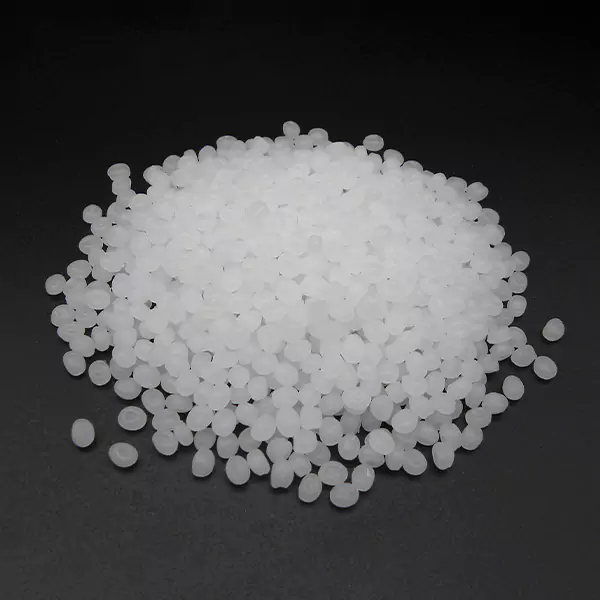
1. What Is Antistatic Polypropylene?
Antistatic Polypropylene is a modified polypropylene material designed to minimize the accumulation of static electrical charges on its surface. Unlike standard PP, which naturally behaves as an electrical insulator, antistatic grades are formulated to help dissipate electrostatic charges and reduce unwanted electrical effects.
Its antistatic performance can be achieved through different modification methods, including:
-
Internal Antistatic Additives: Incorporated into the polymer during compounding to improve charge dissipation.
-
Permanent Antistatic Agents: Designed to provide more durable antistatic performance through functional polymer structures.
-
Conductive Fillers: Certain carbon-based or other functional fillers can modify electrical properties when higher levels of conductivity are required.
The appropriate formulation depends on the intended application, processing conditions, and required surface resistivity.
2. Why Is Antistatic Polypropylene Important?
Static electricity may appear insignificant, but it can create considerable problems in industrial environments. Plastic surfaces can accumulate electrical charges through friction, contact, separation, and continuous processing.
Antistatic Polypropylene helps address several common challenges:
Reduced Dust Attraction
Static charges attract airborne dust and small particles, potentially contaminating products and affecting surface quality. Antistatic properties help minimize this accumulation.
Protection of Electronic Components
Electrostatic discharge (ESD) can damage sensitive electronic components and interfere with manufacturing processes. Properly formulated antistatic materials help reduce these risks.
Improved Processing Efficiency
Static electricity can cause plastic films and sheets to stick together, complicating separation, feeding, and automated handling. Antistatic modification supports smoother production operations.
Enhanced Workplace Safety
In environments involving flammable substances or combustible dust, controlling electrostatic accumulation is an important part of broader safety management.
3. What Are the Main Applications of Antistatic Polypropylene?
Thanks to its combination of polypropylene's mechanical characteristics and improved electrostatic control, Antistatic Polypropylene is suitable for various industrial applications.
| Application | Main Benefits |
|---|---|
| Electronics Packaging | Helps reduce electrostatic risks during component handling |
| Industrial Trays | Minimizes dust attraction and static buildup |
| Plastic Films and Sheets | Improves separation and handling |
| Automotive Components | Supports static control in selected interior and functional parts |
| Industrial Containers | Helps reduce electrostatic accumulation during storage and transportation |
| Manufacturing Equipment | Supports more stable material handling |
The material is particularly valuable in applications where cleanliness, product protection, and reliable processing are essential.
4. What Performance Benefits Should Manufacturers Consider?
Selecting the right Antistatic Polypropylene involves evaluating more than its ability to reduce static electricity. Manufacturers should also consider its compatibility with existing production processes and final product requirements.
Important performance factors include:
-
Antistatic Performance: Surface resistivity and electrostatic charge decay should meet application-specific requirements.
-
Mechanical Properties: Tensile strength, impact resistance, and stiffness should remain suitable for the intended product.
-
Thermal Stability: The formulation should withstand the temperatures involved in processing and service.
-
Chemical Resistance: Compatibility with oils, solvents, and other substances should be evaluated where relevant.
-
Processing Compatibility: Melt flow characteristics and additive dispersion can influence extrusion, injection molding, and other manufacturing operations.
-
Environmental Adaptability: Humidity and temperature may affect the performance of certain antistatic formulations.
It is important to distinguish antistatic materials from static-dissipative and conductive materials. These categories have different electrical performance levels and should be selected according to actual ESD protection requirements.
5. How to Choose a Reliable Antistatic Polypropylene Material?
Choosing an appropriate material is essential for achieving consistent product quality and long-term performance.
Manufacturers should consider the following factors:
-
Define the Application: Identify whether the material will be used for packaging, electronic components, industrial trays, or other products.
-
Confirm Electrical Requirements: Specify the required surface resistivity and charge dissipation performance.
-
Evaluate Mechanical Properties: Ensure that the modified PP maintains the necessary strength, flexibility, and durability.
-
Check Processing Compatibility: Confirm that the material works with existing extrusion or injection molding equipment.
-
Request Technical Data: Review material specifications and testing results before large-scale production.
Working with an experienced functional material supplier can help manufacturers identify suitable formulations and improve material selection efficiency.
6. Why Work with Suzhou Accom New Material Technology Co., Ltd.?
In today's competitive manufacturing environment, material performance plays an important role in product reliability and production efficiency. Suzhou Accom New Material Technology Co., Ltd. focuses on new material technologies and provides a professional point of contact for businesses seeking suitable material solutions.
When evaluating Antistatic Polypropylene for industrial applications, manufacturers should prioritize consistent quality, reliable technical specifications, and compatibility with their production requirements.
Whether the objective is to improve packaging performance, reduce static-related problems, or optimize plastic product manufacturing, selecting the right material is an important step toward achieving better results.
Conclusion
Antistatic Polypropylene offers an effective material solution for reducing static accumulation in a wide range of industrial applications. By combining the processing advantages of polypropylene with improved electrostatic control, it helps minimize dust contamination, improve material handling, and protect sensitive products.
As industrial manufacturing continues to demand higher levels of quality, cleanliness, and operational reliability, choosing the right antistatic material becomes increasingly important.
Looking for suitable Antistatic Polypropylene solutions for your manufacturing needs? Contact Suzhou Accom New Material Technology Co., Ltd. to discuss your material requirements and explore the right functional polypropylene solutions for your applications.