
How Does Ethylene Glycol Support Industrial Performance?
2026-03-05
Article Summary
Ethylene Glycol is a core chemical intermediate widely used across multiple industries, including antifreeze production, polyester manufacturing, heat transfer systems, and chemical synthesis. Despite its broad application, many buyers face challenges related to quality consistency, purity selection, safety handling, and long-term performance. This comprehensive guide explains how ethylene glycol works, where it is used, how to choose the correct grade, and how to avoid common procurement and application risks. It also outlines how Aosen delivers stable and reliable ethylene glycol solutions for industrial customers worldwide.
Outline
- Understanding Ethylene Glycol
- Key Customer Pain Points
- Main Industrial Applications
- How to Select the Right Ethylene Glycol
- Performance Factors and Handling
- Ethylene Glycol Specification Table
- Quality Control and Supply Stability
- Safety and Storage Considerations
- Frequently Asked Questions
- Conclusion and Contact Us
Understanding Ethylene Glycol
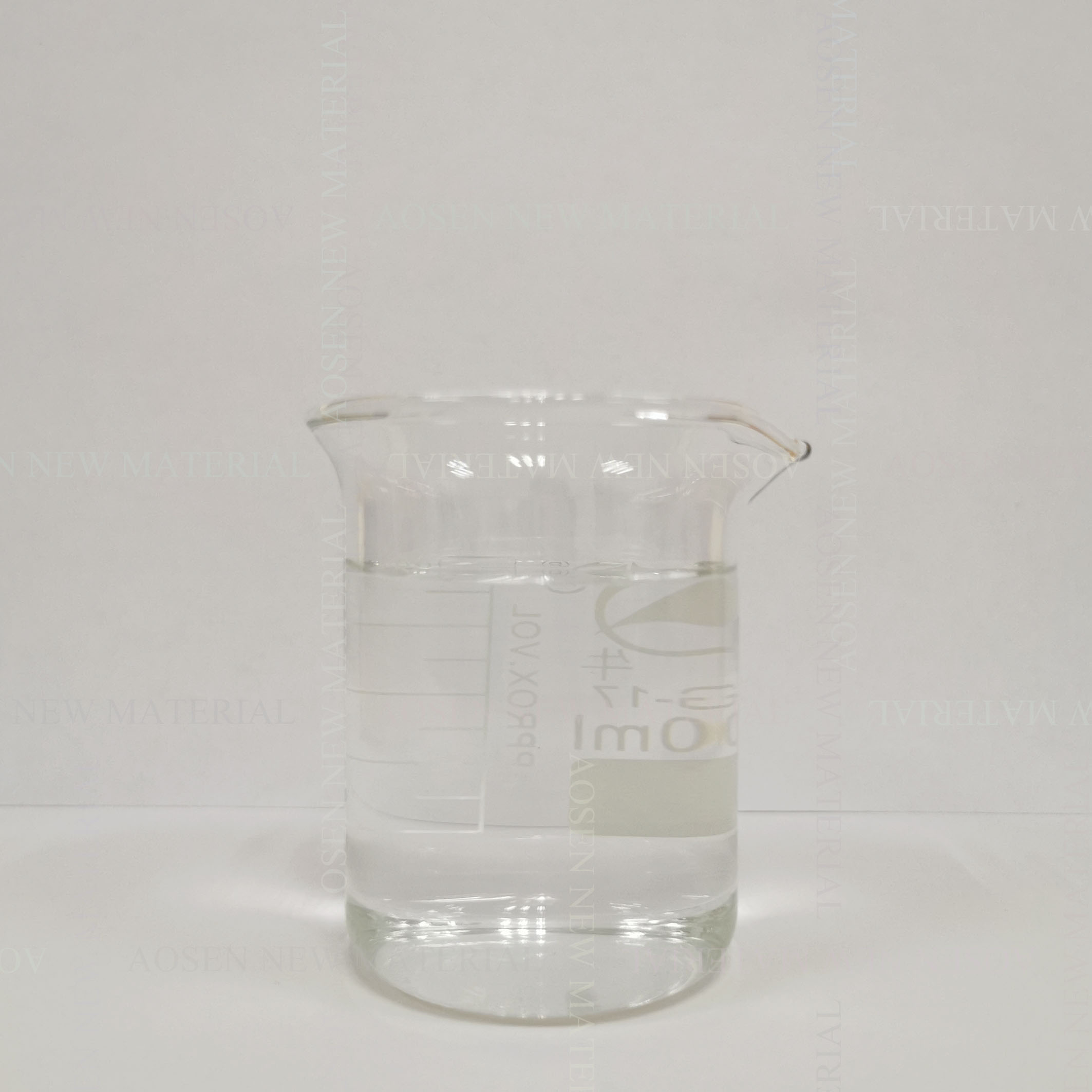
Ethylene glycol is a colorless, odorless, hygroscopic liquid with excellent thermal stability and low freezing point. These properties make it indispensable in applications requiring efficient heat transfer, freeze protection, and chemical reactivity. As a diol compound, it serves as a fundamental building block in polymer production and industrial fluid formulations.
In industrial supply chains, ethylene glycol is typically categorized by purity level and intended application. Selecting the correct grade is essential to ensuring system compatibility, operational efficiency, and regulatory compliance.
Key Customer Pain Points
Customers sourcing ethylene glycol often encounter recurring challenges that affect performance and cost control.
- Inconsistent purity levels between batches
- Contamination affecting downstream reactions
- Unclear suitability for specific industrial systems
- Supply instability impacting production schedules
- Insufficient technical documentation and support
Addressing these pain points requires not only high-quality material but also a supplier with strong quality management and technical expertise.
Main Industrial Applications
Ethylene glycol is used across a wide range of industries due to its versatile physical and chemical properties.
- Antifreeze and coolant formulations
- Polyester fiber and resin production
- Heat transfer fluids in closed-loop systems
- Deicing solutions for industrial equipment
- Chemical intermediates and solvents
Each application places different requirements on purity, moisture content, and inhibitor compatibility.
How to Select the Right Ethylene Glycol
Choosing the appropriate ethylene glycol involves evaluating technical, operational, and regulatory factors.
- Required purity grade for end-use application
- Compatibility with system materials
- Operating temperature range
- Environmental and safety standards
- Logistics and packaging requirements
Aosen works closely with customers to ensure that ethylene glycol specifications align precisely with their application needs, minimizing risk and improving performance reliability.
Performance Factors and Handling
The performance of ethylene glycol in real-world applications depends on proper handling and system design.
- Water content control to maintain freezing point
- Use of corrosion inhibitors where required
- System cleanliness to prevent degradation
- Routine monitoring during long-term operation
Correct handling practices extend service life and reduce maintenance costs in industrial systems.
Ethylene Glycol Specification Table
| Parameter | Typical Value | Impact on Application |
|---|---|---|
| Purity | ≥ 99.5% | Ensures stable chemical performance |
| Moisture Content | ≤ 0.1% | Controls freezing and boiling points |
| Appearance | Clear, colorless liquid | Indicates low contamination |
| Density | Approx. 1.11 g/cm³ | Affects flow and heat transfer |
Quality Control and Supply Stability
Consistent ethylene glycol quality is critical for uninterrupted industrial operations. Quality control measures typically include raw material verification, batch testing, and traceability documentation.
Aosen implements standardized quality assurance procedures to ensure that every shipment of ethylene glycol meets defined specifications, helping customers maintain stable production and predictable results.
Safety and Storage Considerations
While ethylene glycol is widely used, proper safety protocols must be followed.
- Store in sealed, corrosion-resistant containers
- Avoid contamination with incompatible substances
- Follow material safety guidelines during handling
- Ensure appropriate labeling and access control
Adhering to these practices reduces operational risk and supports regulatory compliance.
Frequently Asked Questions
What industries rely most on ethylene glycol?
Ethylene glycol is essential in automotive, chemical manufacturing, textiles, construction, and energy systems.
Does higher purity always mean better performance?
Higher purity is critical for sensitive applications, but the optimal grade depends on system requirements.
How can supply consistency be ensured?
Working with a supplier that maintains strict quality control and stable logistics is key.
Is ethylene glycol suitable for long-term use?
Yes, when properly handled and monitored, it performs reliably over extended operational periods.
Conclusion and Contact Us
Ethylene glycol is a vital industrial material that directly influences system efficiency, product quality, and operational stability. Understanding its properties, applications, and selection criteria allows businesses to reduce risk and optimize performance. A reliable supplier plays a central role in achieving these outcomes.
Aosen is dedicated to delivering high-quality ethylene glycol supported by technical expertise and consistent supply. If you are evaluating ethylene glycol for your industrial application or seeking a dependable long-term partner, contact us today to discuss your requirements and discover how Aosen can support your business growth.