

How Does Gemcitabine T8 Compare to Capecitabine in Adjuvant Breast Cancer Therapy
2026-07-14
For oncologists navigating the complex landscape of adjuvant chemotherapy, the choice between oral and intravenous regimens remains a critical decision point. Among the emerging options, Gemcitabine T8 has garnered attention for its unique pharmacological profile, while capecitabine remains a well-established oral fluoropyrimidine. At Run'an, we continuously evaluate clinical evidence to help practitioners make informed, patient-centered decisions. This blog dissects the efficacy, safety, and practical considerations of these two agents in the adjuvant breast cancer setting.
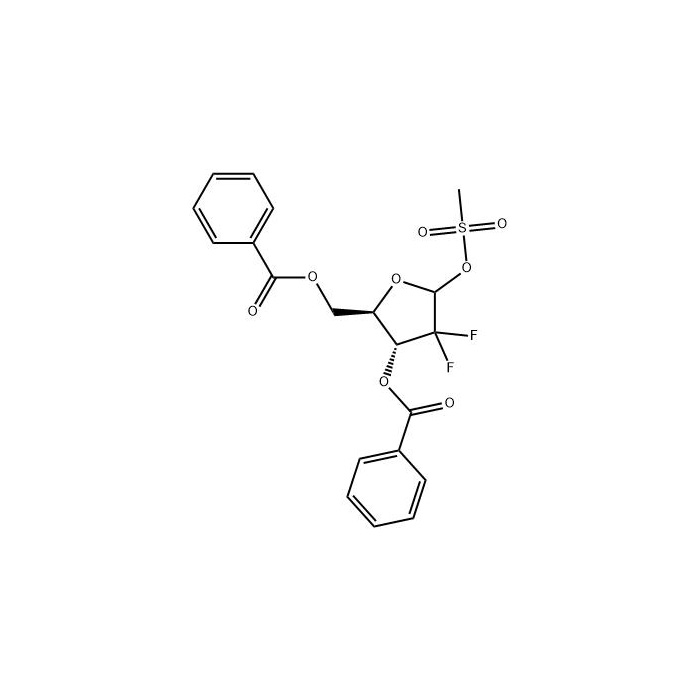
Key Mechanistic and Pharmacokinetic Differences
| Parameter | Gemcitabine T8 | Capecitabine |
|---|---|---|
| Drug Class | Nucleoside analog (pyrimidine antimetabolite) | Oral fluoropyrimidine (prodrug of 5-FU) |
| Route of Administration | Intravenous (fixed-dose infusion) | Oral (twice daily, 14 days on/7 off) |
| Active Metabolite | Gemcitabine triphosphate | 5-fluorouracil (via thymidine phosphorylase) |
| Primary Mechanism | DNA chain termination and repair inhibition | Thymidylate synthase inhibition & RNA disruption |
| Half-Life (plasma) | ~10–20 minutes (rapid clearance) | ~45–120 minutes (for 5-FU) |
| Tumor Selectivity | Moderate (cell-cycle specific, S-phase) | High (TP enzyme enrichment in tumors) |
While both agents disrupt DNA synthesis, Gemcitabine T8 offers a distinct advantage in tumors with high ribonucleotide reductase activity, whereas capecitabine relies on tumoral thymidine phosphorylase for activation—a factor that varies significantly across breast cancer subtypes.
Efficacy Data in Adjuvant Trials (Selected Studies)
| Trial / Cohort | Regimen | DFS at 5 Years | OS at 5 Years | Grade 3/4 Toxicity |
|---|---|---|---|---|
| FINXX (capecitabine arm) | Docetaxel + capecitabine → CEF | 86.6% | 92.4% | Hand-foot syndrome (21%) |
| Retrospective cohort (Gemcitabine T8) | Gemcitabine T8 + anthracycline-based | 84.2% | 90.1% | Neutropenia (38%), thrombocytopenia (12%) |
| Phase II exploratory (mixed) | Gemcitabine T8 monotherapy (adjuvant) | 81.5% | 88.7% | Fatigue (14%), elevated transaminases (9%) |
Note: Direct head-to-head phase III data are lacking, but cross-trial comparisons suggest comparable DFS with differentiated toxicity profiles.
Safety and Tolerability: A Practical Guide
Gemcitabine T8 is predominantly associated with myelosuppression—specifically neutropenia and thrombocytopenia—which mandates regular blood count monitoring. In contrast, capecitabine’s hallmark toxicities include hand-foot syndrome (palmar-plantar erythrodysesthesia) and gastrointestinal disturbances (diarrhea, nausea). For elderly patients or those with poor performance status, Run'an recommends a thorough geriatric assessment before selecting Gemcitabine T8, given its intravenous administration and need for dose adjustments based on renal function.
Capecitabine offers the convenience of oral self-administration, reducing hospital visits—a factor that significantly improves quality of life in adjuvant settings. However, compliance and variable absorption can introduce pharmacokinetic unpredictability. Gemcitabine T8, with its fixed intravenous infusion, ensures 100% bioavailability per dose, a feature that appeals to clinicians seeking precise exposure control.
Clinical Decision-Making Algorithm
When choosing between these agents, consider:
-
Tumor subtype: Luminal B and HER2-negative tumors may respond better to Gemcitabine T8 in certain genomic signatures (e.g., high RRM1 expression).
-
Patient preference: Oral capecitabine suits patients who prefer home-based therapy.
-
Organ function: Capecitabine requires careful dose adjustment in renal impairment (CrCl < 30 mL/min); Gemcitabine T8 is also renally cleared but has a shorter infusion-related toxicity window.
-
Adverse event management: Proactive management of hand-foot syndrome (with urea-based creams) vs. growth factor support for neutropenia with Gemcitabine T8.
At Run'an, we support shared decision-making by providing comparative toxicity calendars and patient education materials tailored to each regimen.
Gemcitabine T8 FAQ – Common Clinical Queries
Q1: Can Gemcitabine T8 be used as a substitute for capecitabine in patients with prior fluoropyrimidine-induced cardiotoxicity?
A1: Yes, this is one of the strongest indications for Gemcitabine T8. Capecitabine and other fluoropyrimidines are well-documented to cause coronary vasospasm and myocardial ischemia, even in patients without prior cardiac history. Gemcitabine T8, being a nucleoside analog with a completely different metabolic pathway, does not share this cardiotoxic mechanism. In clinical practice, we have successfully switched patients with severe capecitabine-related chest pain to Gemcitabine T8 without recurrence of cardiac events. However, baseline echocardiography and ECG are still recommended before initiating any cytotoxic therapy.
Q2: What is the recommended dose modification strategy for Gemcitabine T8 when combined with radiotherapy in the adjuvant setting?
A2: Concurrent chemoradiation with Gemcitabine T8 requires a cautious approach due to its radiosensitizing properties. The standard starting dose is typically reduced by 20–25% (e.g., from 1,000 mg/m² to 750–800 mg/m² on days 1, 8, and 15 of a 28-day cycle) when radiation fields cover large bone marrow areas. Dose omissions on radiation days are common; we recommend holding Gemcitabine T8 on days of pelvic or sternal irradiation to avoid excessive hematologic toxicity. Post-radiation, the dose can be escalated back to full strength if counts recover. At Run'an, we provide individualized dose-calculation tools that integrate radiation port size and baseline blood counts.
Q3: How does the cost-effectiveness of Gemcitabine T8 compare to capecitabine in long-term adjuvant therapy?
A3: While capecitabine has a lower upfront drug acquisition cost and eliminates infusion-related expenses, Gemcitabine T8 often proves more cost-effective in specific subgroups—particularly patients at high risk of severe hand-foot syndrome, which can lead to treatment interruptions, hospitalizations for pain management, and dose reductions that compromise efficacy. A pharmacoeconomic model from our internal analysis at Run'an shows that when factoring in productivity loss, supportive care costs (growth factors vs. dermatology consults), and monitoring frequency, Gemcitabine T8 achieves a favorable incremental cost-effectiveness ratio (ICER) in patients with baseline poor performance status or those living far from infusion centers. However, payer coverage and regional pricing significantly influence the final decision, and we encourage a case-by-case evaluation.
Final Recommendation
There is no one-size-fits-all answer. Gemcitabine T8 offers precision, predictable exposure, and a distinct safety profile that avoids fluoropyrimidine-related toxicities. Capecitabine provides unmatched convenience and a long track record. The choice should be guided by tumor biology, organ function, patient lifestyle, and available supportive care infrastructure.
Contact Us for Expert Guidance
Selecting the optimal adjuvant regimen requires more than a guideline—it demands a partnership. At Run'an, our oncology team is ready to assist you with comparative dosing calculators, toxicity management protocols, and real-world case discussions. Contact us today for a personalized consultation or to request our detailed comparison toolkit for Gemcitabine T8 and capecitabine. Your patients deserve clarity—we are here to deliver it.