
How Does Hydrocarbon Resin Improve Industrial Adhesive and Coating Performance?
2026-08-07
Article Summary
Hydrocarbon resin has become an essential material in modern industries that require reliable adhesion, durability, flexibility, and enhanced processing performance. From hot melt adhesives and pressure-sensitive adhesives to rubber compounds, coatings, and printing inks, this versatile resin helps manufacturers achieve better product quality and longer service life.
This article explains how hydrocarbon resin works, why it is widely used, what challenges it solves for manufacturers, and how businesses can select the right resin solution for their applications. With professional experience in resin production and supply, Qingdao Polykem Co., Ltd. provides customized hydrocarbon resin solutions designed to meet different industrial requirements.
Table of Contents
- 1. What Is Hydrocarbon Resin?
- 2. How Does Hydrocarbon Resin Work in Industrial Applications?
- 3. What Advantages Does Hydrocarbon Resin Provide?
- 4. Where Is Hydrocarbon Resin Commonly Used?
- 5. How to Choose the Right Hydrocarbon Resin?
- 6. Common Challenges and Solutions When Using Hydrocarbon Resin
- 7. Frequently Asked Questions About Hydrocarbon Resin
- 8. Conclusion
1. What Is Hydrocarbon Resin?
Hydrocarbon resin is a thermoplastic resin produced through the polymerization of petroleum-based hydrocarbon feedstocks. It is widely recognized for its excellent compatibility, adhesion enhancement capability, thermal stability, and resistance properties. Unlike many traditional resins, hydrocarbon resin is designed to modify and improve the performance of base materials rather than act as a standalone component.
In industrial manufacturing, hydrocarbon resin is often used as a tackifier. A tackifier improves the bonding ability of adhesives by increasing surface contact and maintaining adhesion under different environmental conditions. This makes hydrocarbon resin an important ingredient in adhesive formulations where strong and stable bonding is required.
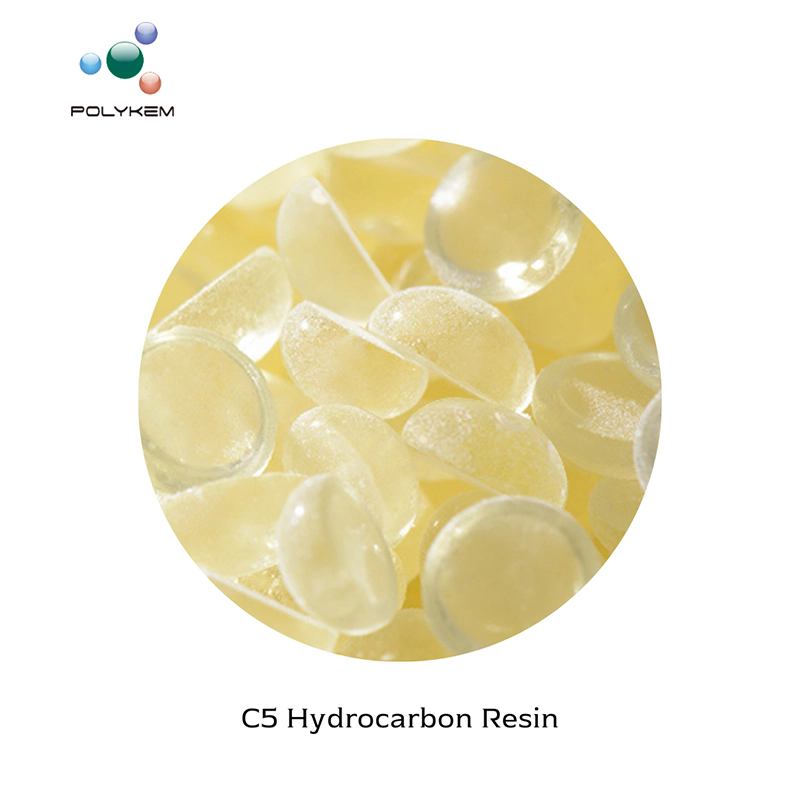
Depending on raw materials and production processes, hydrocarbon resins can be classified into different categories, including C5 hydrocarbon resin, C9 hydrocarbon resin, and hydrogenated hydrocarbon resin. Each type offers unique performance characteristics for specific applications.
- C5 Hydrocarbon Resin: Known for excellent initial tack and compatibility, commonly used in hot melt adhesives and pressure-sensitive adhesives.
- C9 Hydrocarbon Resin: Provides higher softening points and good heat resistance, often used in coatings, inks, and rubber applications.
- Hydrogenated Hydrocarbon Resin: Offers improved color stability, weather resistance, and aging performance.
2. How Does Hydrocarbon Resin Work in Industrial Applications?
The primary function of hydrocarbon resin is to modify the physical properties of polymer systems. When added to adhesives, rubber, or coatings, it interacts with the base polymer to improve molecular compatibility and enhance overall performance.
In adhesive production, hydrocarbon resin increases the wetting ability between adhesive materials and surfaces. Better wetting allows the adhesive to spread more effectively, creating stronger contact and improving bonding strength.
In rubber manufacturing, hydrocarbon resin improves processing efficiency by adjusting viscosity and increasing flexibility. This allows manufacturers to achieve better mixing performance and more consistent final products.
For coatings and printing inks, hydrocarbon resin contributes to improved gloss, hardness, drying performance, and pigment dispersion. These properties are especially important in packaging, industrial coatings, and decorative applications.
The Working Mechanism of Hydrocarbon Resin
- Enhancing Adhesion: Improves contact between adhesive materials and different surfaces.
- Improving Compatibility: Helps different polymer components blend more effectively.
- Increasing Stability: Provides better resistance against heat, aging, and environmental changes.
- Optimizing Processing: Improves manufacturing efficiency by adjusting material flow properties.
3. What Advantages Does Hydrocarbon Resin Provide?
Manufacturers across different industries choose hydrocarbon resin because it solves several common material performance problems. The right resin selection can improve product reliability while reducing production difficulties.
- Excellent Adhesion Performance: Hydrocarbon resin significantly improves bonding strength, making adhesive products more reliable in demanding environments.
- Good Compatibility: It works well with various polymers, elastomers, and additives, providing flexibility in formulation design.
- Improved Thermal Resistance: Certain hydrocarbon resins maintain performance under elevated temperatures, helping products achieve longer service life.
- Enhanced Weather Resistance: Hydrogenated grades offer improved resistance against oxidation, UV exposure, and environmental aging.
- Better Product Appearance: In coatings and inks, hydrocarbon resin contributes to improved gloss and surface finish.
For manufacturers facing unstable bonding, inconsistent quality, or limited product durability, hydrocarbon resin provides an effective way to optimize formulations and improve final product performance.
4. Where Is Hydrocarbon Resin Commonly Used?
Hydrocarbon resin is widely applied across multiple industries due to its adaptable chemical properties. Its versatility allows manufacturers to develop customized solutions for different production requirements.
- Hot Melt Adhesives: Used in packaging, hygiene products, woodworking, and assembly applications to improve bonding strength.
- Pressure-Sensitive Adhesives: Helps tapes, labels, and stickers achieve better tack and long-lasting adhesion.
- Rubber Products: Improves flexibility, processing characteristics, and mechanical performance.
- Printing Inks: Enhances drying speed, gloss, and pigment distribution.
- Industrial Coatings: Supports better surface protection and appearance quality.
Different industries require different resin properties. Therefore, choosing the correct hydrocarbon resin grade is essential for achieving the desired balance between adhesion, hardness, flexibility, and durability.
5. How to Choose the Right Hydrocarbon Resin?
Selecting suitable hydrocarbon resin requires careful consideration of application conditions, processing requirements, and final product expectations. A wrong resin choice may result in poor compatibility, insufficient adhesion, or reduced durability.
Important Selection Factors
- Application Type: Determine whether the resin will be used for adhesives, coatings, rubber, or ink production.
- Softening Point: A higher softening point generally provides better heat resistance and hardness.
- Color Requirements: Light-colored or hydrogenated resins are preferred for applications requiring excellent appearance stability.
- Compatibility: Ensure the resin works effectively with existing polymers and additives.
- Environmental Conditions: Consider temperature changes, humidity, UV exposure, and chemical contact.
Working with an experienced supplier helps manufacturers avoid formulation problems and achieve consistent product performance. Qingdao Polykem Co., Ltd. focuses on providing reliable hydrocarbon resin products and professional technical support for different industrial applications.
6. Common Challenges and Solutions When Using Hydrocarbon Resin
Although hydrocarbon resin provides many advantages, manufacturers may encounter challenges during formulation and production. Understanding these issues helps improve efficiency and product quality.
-
Problem: Poor Compatibility
Solution: Select a resin grade that matches the base polymer system and application requirements. -
Problem: Insufficient Adhesion
Solution: Adjust resin concentration or choose a grade with stronger tackifying performance. -
Problem: Color Instability
Solution: Use hydrogenated hydrocarbon resin when high color stability is required. -
Problem: Processing Difficulties
Solution: Optimize resin selection according to production temperature and equipment conditions.
7. Frequently Asked Questions About Hydrocarbon Resin
Q1: What is the main purpose of hydrocarbon resin?
The main purpose of hydrocarbon resin is to improve adhesion, compatibility, stability, and processing performance in adhesives, coatings, rubber, and ink formulations.
Q2: What is the difference between C5 and C9 hydrocarbon resin?
C5 hydrocarbon resin generally provides stronger tack and flexibility, while C9 hydrocarbon resin typically offers higher hardness, heat resistance, and compatibility with coating systems.
Q3: Can hydrocarbon resin improve adhesive performance?
Yes. Hydrocarbon resin enhances adhesive tack, bonding strength, and durability, making it widely used in hot melt adhesives and pressure-sensitive adhesives.
Q4: Why choose hydrogenated hydrocarbon resin?
Hydrogenated hydrocarbon resin provides better color stability, oxidation resistance, and weather resistance, making it suitable for applications requiring long-term performance.
Q5: How can manufacturers select suitable hydrocarbon resin?
Manufacturers should evaluate application requirements, polymer compatibility, processing conditions, and performance expectations before selecting a resin grade.
8. Conclusion
Hydrocarbon resin plays a critical role in improving the performance of modern industrial materials. Its ability to enhance adhesion, compatibility, durability, and processing efficiency makes it an important choice for adhesive, coating, rubber, and ink manufacturers.
By understanding application requirements and selecting the appropriate resin type, companies can achieve better product quality and more reliable production results. Qingdao Polykem Co., Ltd. provides professional hydrocarbon resin solutions to support customers with high-performance materials for various industrial needs.
If you are looking for dependable hydrocarbon resin products and customized solutions for your application, please contact us today to discuss your requirements and receive professional support.