

How Does Hydroxypropyl Betadex Enhance Drug Solubility and Delivery?
2026-04-01
Abstract
Hydroxypropyl Betadex (HPβCD) has become a critical excipient in modern pharmaceutical formulations due to its unique ability to improve the solubility, stability, and bioavailability of poorly water-soluble drugs. This article explores the mechanisms behind its functionality, practical applications across industries, and how it addresses common formulation challenges. Whether you are a formulation scientist, procurement specialist, or pharmaceutical manufacturer, this guide provides actionable insights into leveraging Hydroxypropyl Betadex effectively.
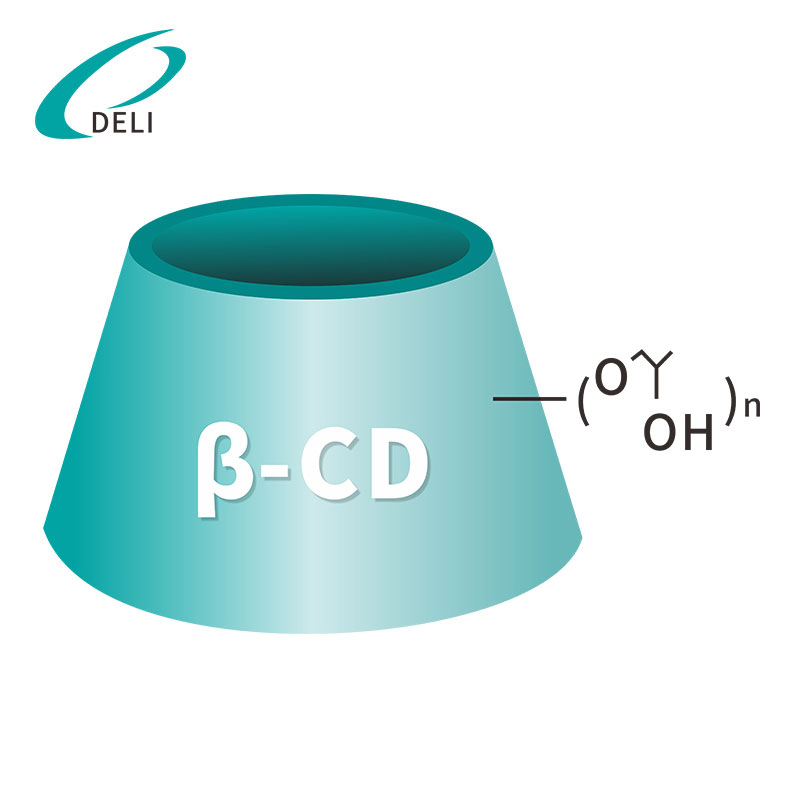
Table of Contents
- 1. What Is Hydroxypropyl Betadex?
- 2. How Does Hydroxypropyl Betadex Work?
- 3. Key Benefits in Pharmaceutical Applications
- 4. Common Customer Pain Points and Solutions
- 5. Application Scenarios Across Industries
- 6. Technical Specifications and Comparison
- 7. Best Practices for Formulation
- 8. Frequently Asked Questions (FAQ)
1. What Is Hydroxypropyl Betadex?
Hydroxypropyl Betadex is a chemically modified cyclodextrin derived from beta-cyclodextrin. Through hydroxypropylation, the molecule gains enhanced water solubility and reduced crystallinity, making it significantly more suitable for pharmaceutical applications.
Structurally, it features a hydrophilic outer surface and a hydrophobic inner cavity, enabling it to encapsulate poorly soluble drug molecules. This inclusion complex formation is the key to its effectiveness.
2. How Does Hydroxypropyl Betadex Work?
The mechanism of Hydroxypropyl Betadex revolves around molecular encapsulation. When a hydrophobic drug encounters HPβCD in solution, the drug molecule enters the cavity of the cyclodextrin, forming a non-covalent inclusion complex.
- Improves aqueous solubility of lipophilic drugs
- Protects active ingredients from degradation
- Enhances drug permeability and absorption
- Reduces irritation at the administration site
This process is reversible, allowing the drug to be released at the target site without altering its pharmacological activity.
3. Key Benefits in Pharmaceutical Applications
| Benefit | Description | Impact |
|---|---|---|
| Solubility Enhancement | Forms inclusion complexes with poorly soluble drugs | Improved bioavailability |
| Stability Improvement | Protects against oxidation, hydrolysis, and photodegradation | Longer shelf life |
| Safety Profile | Low toxicity and widely accepted excipient | Regulatory compliance |
| Versatility | Compatible with oral, injectable, and topical formulations | Broad application scope |
For companies like DELI, incorporating high-quality Hydroxypropyl Betadex ensures consistent formulation performance and scalability in production.
4. Common Customer Pain Points and Solutions
Pain Point 1: Poor Drug Solubility
Many active pharmaceutical ingredients (APIs) suffer from low water solubility, limiting their effectiveness. Hydroxypropyl Betadex addresses this by forming inclusion complexes that significantly enhance dissolution rates.
Pain Point 2: Stability Issues
APIs are often sensitive to environmental factors such as light, oxygen, and moisture. HPβCD provides a protective microenvironment, reducing degradation.
Pain Point 3: Formulation Challenges
Developing stable formulations for injectables or oral liquids can be difficult. Hydroxypropyl Betadex simplifies formulation by improving compatibility and reducing precipitation risks.
Pain Point 4: Patient Compliance
Unpleasant taste or irritation can impact compliance. HPβCD can mask taste and reduce irritation, especially in oral and parenteral products.
5. Application Scenarios Across Industries
- Pharmaceuticals: Injectable drugs, oral solutions, ophthalmic formulations
- Biotechnology: Stabilization of protein-based therapeutics
- Cosmetics: Encapsulation of active ingredients for enhanced skin delivery
- Food Industry: Flavor protection and controlled release
Its multifunctional properties make Hydroxypropyl Betadex an indispensable ingredient across various high-performance applications.
6. Technical Specifications and Comparison
| Parameter | Hydroxypropyl Betadex | Beta-Cyclodextrin |
|---|---|---|
| Water Solubility | High | Low |
| Toxicity | Low | Moderate |
| Application Range | Wide | Limited |
| Regulatory Acceptance | Extensive | Restricted in some uses |
7. Best Practices for Formulation
- Optimize molar ratio between drug and HPβCD
- Conduct phase-solubility studies before scaling
- Evaluate stability under different environmental conditions
- Ensure compliance with pharmacopeial standards
Working with a reliable supplier such as DELI ensures consistent product quality, technical support, and regulatory documentation, which are critical for successful product development.
8. Frequently Asked Questions (FAQ)
Q1: Is Hydroxypropyl Betadex safe for human use?
Yes, it is widely used in approved pharmaceutical products and has a well-established safety profile when used within recommended limits.
Q2: Can it be used in injectable formulations?
Yes, Hydroxypropyl Betadex is commonly used in parenteral formulations due to its high solubility and low toxicity.
Q3: Does it affect drug activity?
No, the inclusion complex is reversible, and the drug retains its original pharmacological activity upon release.
Q4: How should it be stored?
Store in a cool, dry place, away from direct sunlight and moisture to maintain stability.
Q5: What makes it better than traditional solubilizers?
Its ability to form inclusion complexes provides superior solubilization without the need for harsh surfactants or co-solvents.
Conclusion
Hydroxypropyl Betadex stands out as a versatile and highly effective excipient for improving drug solubility, stability, and overall performance. Its broad applicability and strong safety profile make it a preferred choice for modern formulation challenges.
If you are looking to enhance your pharmaceutical formulations with reliable and high-quality Hydroxypropyl Betadex, DELI offers professional solutions tailored to your needs. Contact us today to explore how we can support your next project with premium-grade materials and technical expertise.