

How Does Magnesium Hydroxide Solve Safety and Performance Challenges in Modern Industries?
2026-02-10
Abstract
Magnesium Hydroxide is widely recognized as a multifunctional inorganic compound used across flame retardancy, environmental protection, polymers, and chemical processing. Many buyers and engineers face challenges such as balancing fire safety with material performance, meeting environmental regulations, and maintaining cost efficiency. This article provides a comprehensive and structured explanation of how Magnesium Hydroxide works, where it is applied, and why it has become a preferred solution in demanding industrial scenarios. The content focuses on practical concerns, performance characteristics, and selection guidance to support informed decision-making.
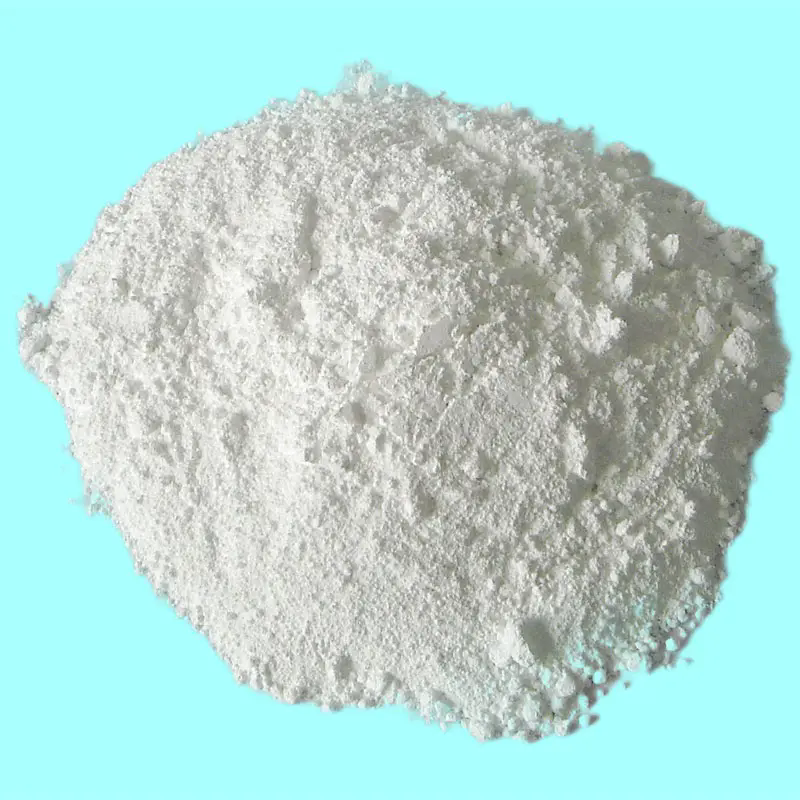
Table of Contents
- Overview of Magnesium Hydroxide
- How Magnesium Hydroxide Works
- Key Industrial Applications
- Main Advantages Compared with Alternatives
- Typical Product Parameters
- Selection and Usage Considerations
- Common Customer Pain Points and Solutions
- Frequently Asked Questions
- Conclusion and Business Cooperation
Overview of Magnesium Hydroxide
Magnesium Hydroxide, with the chemical formula Mg(OH)₂, is an inorganic compound characterized by high thermal stability, low toxicity, and strong chemical inertness. It is typically presented as a white powder and is valued for its ability to function as a flame retardant, smoke suppressant, and neutralizing agent.
Unlike halogen-based additives, Magnesium Hydroxide aligns with stricter safety and environmental expectations. This makes it suitable for industries that must comply with increasingly rigorous regulatory and performance standards while maintaining product reliability.
How Magnesium Hydroxide Works
The effectiveness of Magnesium Hydroxide is rooted in its physical and chemical behavior under heat and reactive conditions. When exposed to elevated temperatures, it decomposes endothermically, absorbing significant heat and releasing water vapor.
- Heat absorption reduces surface and internal material temperatures
- Released water vapor dilutes combustible gases
- Formation of magnesium oxide creates a protective barrier
This multi-step mechanism explains why Magnesium Hydroxide is widely used to enhance fire resistance without compromising structural integrity or long-term stability.
Key Industrial Applications
Magnesium Hydroxide is applied in a broad range of industries due to its versatility and stable performance:
- Wire and cable insulation materials
- Rubber and plastic flame-retardant formulations
- Wastewater treatment and acid neutralization
- Smoke suppression systems
- Specialty coatings and construction materials
Its adaptability allows manufacturers to integrate it into both thermoplastic and thermosetting systems with predictable outcomes.
Main Advantages Compared with Alternatives
| Feature | Magnesium Hydroxide | Traditional Additives |
|---|---|---|
| Thermal Stability | High decomposition temperature | Lower thermal resistance |
| Smoke Suppression | Effective and consistent | Limited or inconsistent |
| Environmental Impact | Low toxicity, halogen-free | Potential environmental concerns |
| Material Compatibility | Wide polymer compatibility | Restricted system usage |
Typical Product Parameters
While specifications may vary depending on grade and application, Magnesium Hydroxide products generally share the following characteristics:
- High purity and controlled particle size distribution
- Excellent thermal decomposition temperature
- Low heavy metal content
- Stable chemical structure under processing conditions
These parameters directly influence dispersion, mechanical performance, and long-term reliability in finished products.
Selection and Usage Considerations
Selecting the appropriate Magnesium Hydroxide grade requires evaluation of several technical factors:
- Processing temperature of the host material
- Required flame retardancy level
- Mechanical performance expectations
- Regulatory and safety compliance needs
Proper dispersion techniques and dosage control are essential to achieve consistent results without negatively affecting product appearance or strength.
Common Customer Pain Points and Solutions
Many buyers encounter challenges when integrating flame-retardant materials into their production systems. Magnesium Hydroxide addresses several of these issues:
-
Concern: Excessive smoke during combustion
Solution: Effective smoke suppression through water release -
Concern: Material degradation at high temperatures
Solution: High thermal stability during processing -
Concern: Environmental and safety compliance
Solution: Halogen-free and low-toxicity composition
Frequently Asked Questions
Is Magnesium Hydroxide suitable for high-temperature processing?
Yes. Its high decomposition temperature allows it to perform reliably in demanding processing environments.
Can Magnesium Hydroxide replace traditional flame retardants?
In many applications, it serves as an effective alternative, especially where safety and environmental factors are prioritized.
Does Magnesium Hydroxide affect mechanical properties?
When properly selected and dispersed, it maintains balanced mechanical performance while enhancing fire resistance.
Conclusion and Business Cooperation
Magnesium Hydroxide has proven to be a practical and reliable solution for industries seeking enhanced fire safety, environmental responsibility, and material performance. Its multifunctional characteristics make it a strategic choice for manufacturers facing complex technical and regulatory demands.
As a trusted supplier, Taixing offers consistent quality and application-focused Magnesium Hydroxide solutions. For tailored specifications, technical support, or bulk supply inquiries, Taixing encourages potential partners to contact us and explore long-term cooperation opportunities.