

Article Summary: Sodium Perchlorate is an important inorganic perchlorate compound used as a chemical intermediate, laboratory reagent, oxidizing agent, and raw material for producing other perchlorates and perchloric acid. Its strong oxidizing characteristics make it valuable in controlled industrial processes, but the same properties require careful handling, compatible storage, appropriate packaging, and strict process management. This article explains the fundamental properties of Sodium Perchlorate, its major applications, purchasing considerations, storage requirements, handling precautions, quality factors, and common questions from industrial buyers.
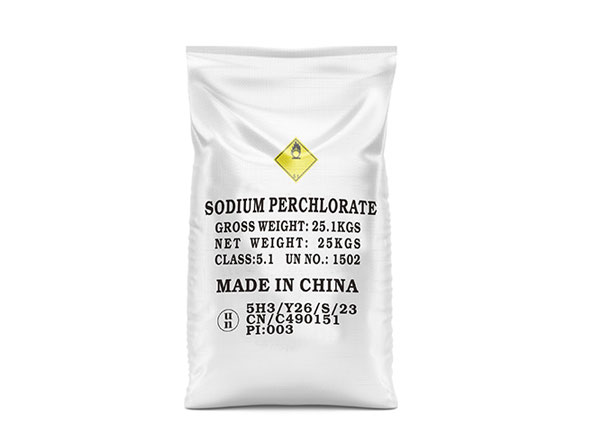
Table of Contents
- What Is Sodium Perchlorate?
- Key Properties of Sodium Perchlorate
- Where Is Sodium Perchlorate Used?
- How Should Buyers Select Sodium Perchlorate?
- Which Quality Factors Matter Most?
- How Should Sodium Perchlorate Be Stored?
- How Can Sodium Perchlorate Be Handled Safely?
- What Packaging Considerations Are Important?
- How Can a Reliable Sodium Perchlorate Supplier Help?
- Frequently Asked Questions
- Conclusion
What Is Sodium Perchlorate?
Sodium Perchlorate is an inorganic salt with the chemical formula NaClO4. It belongs to the perchlorate family and is commonly supplied as a white crystalline solid. Because of its chemical stability under appropriate conditions and its oxidizing characteristics, it has applications across chemical manufacturing, laboratory work, analytical processes, and the production of other perchlorate compounds.
For industrial buyers, understanding Sodium Perchlorate goes beyond knowing its chemical formula. The practical value of the material depends on purity, physical form, moisture control, packaging integrity, batch consistency, documentation, and the supplier's ability to maintain stable quality from one shipment to the next.
Sodium Perchlorate is also hygroscopic, meaning that it can absorb moisture from the surrounding environment. Moisture uptake may affect handling characteristics, storage stability, weighing accuracy, and downstream processing. For this reason, production and storage conditions are important considerations when purchasing the material in commercial quantities.
Another important point is that Sodium Perchlorate should be treated as an oxidizing chemical. It must not be handled as an ordinary inorganic salt. Contact with incompatible combustible, reducing, or reactive materials can create significant hazards. Industrial facilities therefore need appropriate procedures for receiving, storing, transferring, and using the material.
Key Properties of Sodium Perchlorate
The physical and chemical properties of Sodium Perchlorate determine how it behaves during transportation, storage, formulation, and industrial processing. A clear understanding of these properties can help buyers choose appropriate specifications and avoid operational problems.
| Property | Typical Information | Why It Matters |
|---|---|---|
| Chemical formula | NaClO4 | Identifies the chemical composition and supports specification control. |
| Appearance | White crystalline solid | Useful for basic incoming-material inspection. |
| Solubility | Highly soluble in water | Important for solution preparation and chemical processing. |
| Moisture behavior | Hygroscopic | Requires moisture-resistant packaging and controlled storage. |
| Chemical behavior | Strong oxidizing character | Requires segregation from incompatible substances. |
These characteristics make Sodium Perchlorate useful in applications where a dependable perchlorate source or oxidizing component is required. However, specifications should always be confirmed with the supplier before placing an order because commercial grades can differ according to purity, moisture content, particle characteristics, packaging, and intended application.
Where Is Sodium Perchlorate Used?
Sodium Perchlorate has a broad role as a chemical intermediate and functional inorganic material. Its applications are generally connected with its perchlorate chemistry and oxidizing properties.
- Production of perchloric acid: Sodium Perchlorate can serve as an important starting material in controlled chemical processes for producing perchloric acid.
- Manufacturing other perchlorates: It can be used as a feedstock or intermediate in the preparation of selected perchlorate compounds.
- Laboratory applications: High-purity material can be used in analytical and research environments where controlled chemical composition is important.
- Oxidizing applications: Its chemical characteristics make it useful in certain controlled oxidation-related processes.
- Chemical synthesis: Industrial laboratories and chemical manufacturers may use Sodium Perchlorate as an intermediate in specialized synthesis routes.
The exact suitability of a particular grade depends on the process. A laboratory application may require a different specification from a large-scale industrial process. Therefore, buyers should provide their intended use when requesting a quotation rather than selecting a material solely according to its product name.
How Should Buyers Select Sodium Perchlorate?
Choosing the right Sodium Perchlorate supplier is not simply a matter of comparing prices. A lower purchase price may become expensive if the material has inconsistent purity, excessive moisture, unsuitable packaging, or unstable batch performance.
Before purchasing, industrial buyers should evaluate several factors:
- Required purity: Determine the minimum purity required by the process and identify any critical impurity limits.
- Application requirements: Explain whether the material is intended for chemical synthesis, laboratory work, analytical use, or another industrial process.
- Moisture control: Confirm how the product is packaged and protected against moisture absorption.
- Batch consistency: Ask how the supplier manages quality from batch to batch.
- Packaging: Make sure the selected package is suitable for the expected storage and transportation conditions.
- Documentation: Request appropriate product specifications, certificates, safety information, and shipment documentation.
- Supply capability: Evaluate whether the supplier can maintain stable delivery for repeat orders.
A professional supplier should be able to discuss these factors clearly and provide product information that allows the buyer's technical and purchasing teams to make an informed decision.
Which Quality Factors Matter Most?
For industrial applications, quality consistency is often more important than a single laboratory test result. A material that meets specifications today but varies significantly between shipments can create problems in production planning and process control.
| Quality Factor | Potential Customer Concern | Recommended Approach |
|---|---|---|
| Purity | Unexpected reaction behavior or process deviation | Define the required specification before purchasing. |
| Moisture | Caking or changes in handling characteristics | Use sealed, moisture-resistant packaging. |
| Batch consistency | Different performance between production lots | Work with suppliers that maintain documented quality controls. |
| Packaging integrity | Contamination or moisture exposure during transport | Inspect packaging and define shipping requirements. |
For larger orders, buyers should consider requesting a representative sample or technical documentation before committing to a long-term supply arrangement. This can help confirm compatibility with the intended process and reduce the risk of purchasing unsuitable material.
How Should Sodium Perchlorate Be Stored?
Proper storage is essential because Sodium Perchlorate combines hygroscopic behavior with oxidizing characteristics. Storage areas should therefore be designed to control both moisture exposure and chemical compatibility.
Good storage practices include:
- Keep the material in tightly closed, compatible packaging.
- Store it in a cool, dry, and well-ventilated area.
- Protect containers from excessive humidity and direct environmental exposure.
- Keep the product away from combustible materials and incompatible chemicals.
- Segregate it from reducing agents and other substances that may react adversely with an oxidizing material.
- Prevent unnecessary physical impact, friction, or rough handling.
- Maintain clear product identification and appropriate hazard communication.
- Inspect containers periodically for damage, leakage, contamination, or moisture intrusion.
Storage conditions should always be established according to the applicable safety data sheet, local regulations, facility procedures, and the specific grade being supplied. The information on the supplier's documentation should take precedence over generalized storage assumptions.
How Can Sodium Perchlorate Be Handled Safely?
Safe handling starts with recognizing that Sodium Perchlorate is an oxidizing chemical rather than an ordinary salt. The objective is to prevent contamination, uncontrolled reactions, dust exposure, and accidental contact with incompatible materials.
Personnel working with the product should receive appropriate chemical-handling training and understand the site's emergency procedures before beginning work. Suitable personal protective equipment should be selected according to the workplace risk assessment and the applicable safety documentation.
When transferring or weighing the material, facilities should minimize dust generation and maintain suitable ventilation. Tools, containers, work surfaces, and equipment should be compatible with the chemical and kept clean to reduce the possibility of contamination.
Particular care is required when Sodium Perchlorate is used near organic or combustible materials. Contact with incompatible substances can increase fire or reaction risks. The material should also be kept away from unsuitable reducing agents and reactive chemicals.
If a spill occurs, personnel should follow the site's established emergency response procedure and the applicable safety data sheet. Untrained personnel should not attempt improvised cleanup of a chemical oxidizer.
What Packaging Considerations Are Important?
Packaging plays a major role in maintaining Sodium Perchlorate quality throughout transportation and storage. Because the material can absorb moisture, packaging should provide effective protection against environmental humidity while remaining suitable for the chemical's properties.
For buyers, packaging evaluation should include:
- Moisture resistance: Packaging should minimize exposure to ambient humidity.
- Sealing performance: Closures should remain secure throughout normal transportation and storage.
- Mechanical strength: Containers should be suitable for the intended logistics conditions.
- Cleanliness: Packaging should prevent contamination by foreign substances.
- Labeling: Product identification and safety information should remain clear and legible.
- Transport suitability: Packaging should comply with the applicable transportation requirements for the product and destination.
For international procurement, buyers should discuss packaging specifications before shipment rather than treating packaging as a secondary issue. Packaging requirements may differ according to order quantity, transportation method, climate, destination, and storage duration.
How Can a Reliable Sodium Perchlorate Supplier Help?
For chemical manufacturers and distributors, supplier reliability directly affects production continuity. A dependable Sodium Perchlorate supplier should provide more than a product and an invoice. The supplier should understand technical specifications, packaging requirements, documentation, delivery expectations, and the buyer's intended application.
Yangzhou Feixiang Chemical Co., Ltd. supplies Sodium Perchlorate for customers requiring a dependable source of this inorganic chemical. When evaluating a supplier, customers can discuss required purity, intended application, packaging preferences, order volume, documentation, and delivery requirements in advance.
A practical supplier evaluation should focus on several questions:
- Can the supplier provide a clear product specification?
- Can the supplier support consistent quality between batches?
- Can the supplier provide appropriate technical and safety documentation?
- Can packaging be matched to the customer's transportation and storage requirements?
- Can the supplier support repeat orders and long-term cooperation?
- Can technical questions be answered before the material is purchased?
These questions help shift the purchasing decision from a simple price comparison toward a more complete assessment of product suitability, supply reliability, safety management, and total procurement value.
Common Purchasing Mistakes to Avoid
Many problems associated with industrial chemicals are not caused by the material itself but by insufficient specification or poor handling practices. Buyers can reduce avoidable risks by avoiding several common mistakes.
- Buying only according to price: The cheapest offer may not provide the required purity, packaging, or consistency.
- Ignoring moisture sensitivity: Poor packaging or unsuitable storage can affect the physical condition of the product.
- Failing to define application requirements: A general product description may not be sufficient for a demanding industrial process.
- Mixing incompatible chemicals: Oxidizing materials require careful segregation from incompatible substances.
- Skipping incoming inspection: Basic inspection and documentation checks can identify packaging or specification problems early.
- Neglecting long-term supply capability: Production planning requires suppliers capable of maintaining stable quality and delivery.
Frequently Asked Questions About Sodium Perchlorate
Is Sodium Perchlorate an oxidizing chemical?
Yes. Sodium Perchlorate has strong oxidizing characteristics and should therefore be stored and handled with appropriate controls. It should be separated from incompatible combustible and reducing materials and managed according to the applicable safety documentation.
What is the chemical formula of Sodium Perchlorate?
The chemical formula is NaClO4. It consists of sodium ions and perchlorate ions and is commonly supplied as a crystalline inorganic solid.
Is Sodium Perchlorate soluble in water?
Yes. Sodium Perchlorate is highly soluble in water, which is one of the properties that makes it useful in solution-based chemical processes.
Why does Sodium Perchlorate need moisture-resistant packaging?
Sodium Perchlorate is hygroscopic and can absorb moisture from the surrounding environment. Effective packaging helps preserve the intended physical condition of the product during transportation and storage.
What is Sodium Perchlorate mainly used for?
Its uses include chemical manufacturing, production of other perchlorates and perchloric acid, laboratory applications, analytical work, and selected processes that require an oxidizing inorganic compound.
How should Sodium Perchlorate be stored?
It should generally be kept in tightly sealed, compatible packaging in a cool, dry, well-ventilated storage area. It should be segregated from incompatible substances, especially combustible and reducing materials. Exact requirements should be determined from the product's current safety documentation and local regulations.
How can buyers ensure consistent Sodium Perchlorate quality?
Buyers should define purity and other critical specifications before ordering, request appropriate documentation, inspect incoming shipments, and establish a relationship with a supplier capable of maintaining consistent production and quality control.
Can Sodium Perchlorate be purchased for industrial use?
Yes, it is commercially supplied for legitimate industrial, laboratory, and chemical manufacturing applications. Buyers should verify the regulatory, transportation, storage, and application requirements applicable to their location and intended use.
Conclusion
Sodium Perchlorate is a versatile inorganic perchlorate with value across chemical manufacturing, laboratory applications, analytical processes, and specialized industrial operations. Its chemical formula, solubility, hygroscopic behavior, and oxidizing characteristics make it particularly important to consider both product quality and safe handling practices when selecting a commercial grade.
For buyers, the best purchasing strategy is to define the required specification first, confirm application compatibility, evaluate moisture protection and packaging, review technical documentation, and select a supplier capable of maintaining reliable quality and delivery. Proper storage and segregation are equally important once the material reaches the facility.
Yangzhou Feixiang Chemical Co., Ltd. can support customers looking for Sodium Perchlorate and related chemical products by discussing product specifications, application requirements, packaging, order quantities, and supply needs. If you are sourcing Sodium Perchlorate for an industrial or laboratory application, contact us to discuss your requirements and receive professional product information and a suitable quotation.