How Does the Hydrogenation Process Affect the Color Stability and Odor Performance of Hydrocarbon Resins
2026-04-01
In the world of modern adhesives, sealants, and industrial formulations, the quality of raw materials directly dictates final product performance. Among these, Hydrogenated Hydrocarbon Resin stands out as a critical component for applications demanding high purity and durability. At Honmor, we specialize in advanced resin technologies, and we understand that the hydrogenation process is not merely a production step—it is the defining factor that transforms standard hydrocarbon resins into high-performance, stable, and user-friendly materials. This blog explores how hydrogenation fundamentally enhances color stability and odor performance, two attributes that are non-negotiable in premium applications such as hygiene adhesives, food packaging, and medical products.
The Science Behind Hydrogenation
Hydrogenation is a chemical reaction where hydrogen gas is added to unsaturated bonds (primarily carbon-carbon double bonds) within the hydrocarbon resin backbone, typically in the presence of a catalyst. This process saturates the molecular structure, eliminating reactive sites that are prone to oxidation and degradation. The degree of hydrogenation—whether partial or fully saturated—directly influences the resin’s final characteristics.
To understand the impact, it is essential to compare the properties of standard (non-hydrogenated) resins with their fully hydrogenated counterparts.
| Property | Standard Hydrocarbon Resin | Hydrogenated Hydrocarbon Resin |
|---|---|---|
| Molecular Structure | Unsaturated (contains double bonds) | Saturated (fully hydrogenated) |
| Color Stability | Prone to yellowing under heat/UV | Excellent; maintains water-white clarity |
| Odor Level | Distinct, often strong hydrocarbon odor | Extremely low to virtually odorless |
| Oxidation Resistance | Low; susceptible to degradation | High; superior long-term stability |
| Application Purity | Limited to non-sensitive uses | Ideal for hygiene, medical, and food contact |
How Hydrogenation Enhances Color Stability
One of the most significant advantages of the hydrogenation process is the dramatic improvement in color stability. Unsaturated bonds in non-hydrogenated resins act as chromophores—structures that absorb light and cause discoloration. When exposed to heat, UV light, or prolonged storage, these resins inevitably shift from pale yellow to deep amber or brown.
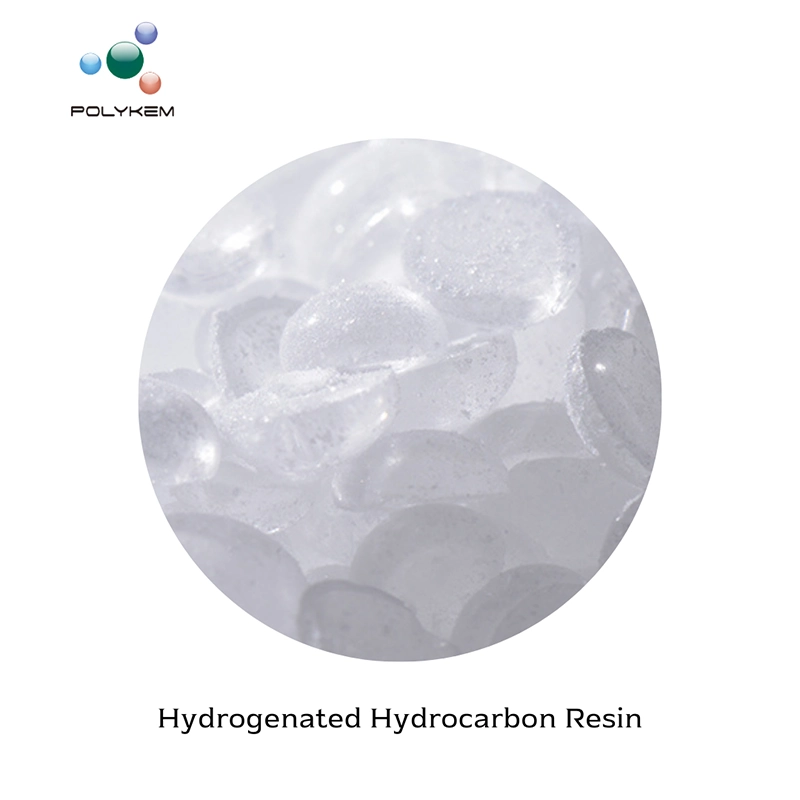
During hydrogenation, these unsaturated bonds are saturated, effectively eliminating the chromophores. The result is a Hydrogenated Hydrocarbon Resin that exhibits exceptional initial color (often water-white with a Gardner color number of less than 1) and maintains this clarity even under aggressive processing conditions. For manufacturers producing transparent adhesives or light-colored end products, this stability is critical. Honmor employs advanced catalytic hydrogenation technologies to ensure that our resins deliver consistent, batch-to-batch color stability that customers in high-end packaging and nonwoven industries can rely on.
The Impact on Odor Performance
Odor is a direct consequence of residual volatile organic compounds (VOCs) and low-molecular-weight unsaturated components. In traditional resins, these elements can release unpleasant smells during processing and even in the final application—an unacceptable trait for products like feminine hygiene items, infant diapers, or automotive interiors.
The hydrogenation process addresses this in two key ways. First, the high-temperature, high-pressure environment with hydrogen gas strips away volatile impurities. Second, by saturating reactive double bonds, the process prevents the formation of oxidation by-products like aldehydes and ketones, which are primary sources of malodor. A fully Hydrogenated Hydrocarbon Resin from Honmor achieves such a high level of purity that it meets the stringent olfactory requirements of the most sensitive consumer applications, ensuring end-user comfort and safety.
Hydrogenated Hydrocarbon Resin FAQ
Q: Why is hydrogenated hydrocarbon resin preferred for hot melt adhesives used in baby diapers?
A: Baby diapers require adhesives that are not only strong but also extremely safe and non-irritating. Hydrogenated Hydrocarbon Resin is preferred because the hydrogenation process eliminates unsaturated compounds that could oxidize and produce odors or potential irritants. Additionally, its superior color stability ensures that the adhesive remains inconspicuous against the white nonwoven fabric, maintaining the product’s aesthetic cleanliness. Manufacturers trust this resin type to meet global hygiene standards for skin contact applications.
Q: Can hydrogenated hydrocarbon resin withstand high-temperature processing without discoloration?
A: Yes, this is one of its defining characteristics. Standard hydrocarbon resins often yellow or degrade when exposed to the elevated temperatures required for hot melt blending or extrusion. The fully saturated molecular structure of a Hydrogenated Hydrocarbon Resin provides exceptional thermal stability. It resists oxidation and maintains its water-white clarity even after prolonged exposure to temperatures exceeding 200°C, making it ideal for applications that demand both processing flexibility and aesthetic integrity.
Q: How does the cost of hydrogenated hydrocarbon resin compare to its long-term performance benefits?
A: While Hydrogenated Hydrocarbon Resin typically commands a higher upfront cost than non-hydrogenated alternatives, its total cost of ownership is often lower. The enhanced stability reduces waste from batch failures due to discoloration or odor issues. Furthermore, its consistent performance allows for leaner inventory management and fewer customer complaints related to aging or degradation. For premium brands that prioritize reliability and safety, the investment in hydrogenated resin from trusted suppliers like Honmor translates directly into reduced risk and enhanced market reputation.
Conclusion: The Value of Precision Hydrogenation
The hydrogenation process is not merely a refinement; it is a transformative technology that elevates hydrocarbon resins to meet the highest industry standards. By ensuring superior color stability and virtually eliminating odor, hydrogenated resins enable innovation in sectors where purity, safety, and longevity are paramount. As a technical partner, Honmor combines advanced hydrogenation expertise with rigorous quality control to deliver Hydrogenated Hydrocarbon Resin solutions that perform consistently, batch after batch.
Contact us today to discuss how our hydrogenated resin technologies can enhance your product formulations and help you meet the evolving demands of your market.