

How Does Zinc Hyaluronate Improve Skin Health and Cosmetic Formulations?
2026-03-06
Article Summary
Zinc Hyaluronate has become an increasingly important ingredient in modern skincare and dermatological formulations. By combining the moisturizing capability of hyaluronic acid with the antibacterial and anti-inflammatory properties of zinc, Zinc Hyaluronate provides a multifunctional solution for skin hydration, acne management, wound healing, and sensitive skin care. Many cosmetic manufacturers and product developers seek reliable ingredients that deliver both performance and stability, yet face challenges such as ingredient compatibility, formulation complexity, and product effectiveness.
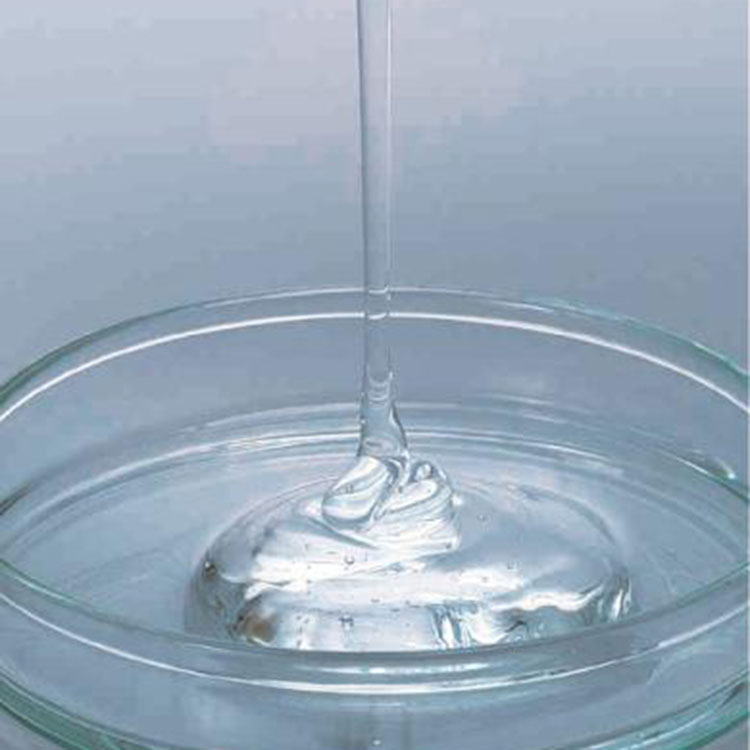
This comprehensive guide explains how Zinc Hyaluronate works, what problems it solves for formulators and skincare brands, and how it can improve product performance. The article explores its chemical characteristics, practical applications, formulation advantages, and industry use cases. It also highlights how AMHWA BIOPHARM provides high-quality Zinc Hyaluronate solutions for cosmetic, pharmaceutical, and personal care applications.
Table of Contents
- Zinc Hyaluronate Overview
- Common Industry Pain Points
- How Zinc Hyaluronate Works
- Key Benefits for Skin and Formulations
- Applications in Cosmetic and Medical Fields
- Zinc Hyaluronate vs Other Ingredients
- How to Choose High Quality Zinc Hyaluronate
- Frequently Asked Questions
- Conclusion and Contact Us
Zinc Hyaluronate Overview
Zinc Hyaluronate is a derivative of hyaluronic acid combined with zinc ions through a specialized stabilization process. This compound integrates two well-known functional components used in dermatology and skincare science. Hyaluronic acid is widely recognized for its strong moisture retention ability, while zinc is valued for its antibacterial, anti-inflammatory, and skin repair properties.
When these two components are combined into Zinc Hyaluronate, the result is a multifunctional ingredient capable of providing hydration while simultaneously helping regulate sebum, calm irritation, and support skin healing. This makes it particularly valuable for modern skincare products targeting acne-prone, oily, or sensitive skin types.
Manufacturers such as AMHWA BIOPHARM focus on developing stable Zinc Hyaluronate ingredients suitable for a wide range of personal care formulations including serums, lotions, creams, masks, and medical skincare products.
Common Industry Pain Points
Cosmetic formulators and skincare brands often face several technical challenges when developing effective products. Selecting multifunctional ingredients that address multiple skin concerns while maintaining formulation stability is one of the biggest obstacles.
- Difficulty combining hydration and antibacterial effects in one ingredient
- Formulation instability caused by incompatible active ingredients
- Ineffective acne treatment ingredients that cause skin dryness
- Limited options for sensitive or irritated skin formulations
- Consumer demand for multifunctional and gentle skincare ingredients
Zinc Hyaluronate addresses these concerns by providing hydration, antimicrobial support, and skin barrier improvement within a single compound.
How Zinc Hyaluronate Works
Zinc Hyaluronate functions through a dual-action mechanism that supports skin health and improves cosmetic formulation performance.
- Moisture Retention – The hyaluronic acid component binds water molecules and maintains long-lasting hydration within the skin.
- Antibacterial Activity – Zinc ions help reduce bacteria associated with acne and skin irritation.
- Anti-Inflammatory Support – Zinc can calm redness and irritation while promoting a balanced skin environment.
- Skin Barrier Repair – Hydrated skin improves barrier strength and reduces moisture loss.
Through this mechanism, Zinc Hyaluronate provides balanced care that improves both the skin’s moisture level and overall condition.
Key Benefits for Skin and Formulations
The integration of Zinc Hyaluronate into skincare products offers several advantages that make it attractive to cosmetic manufacturers and product developers.
- Deep hydration without a heavy or greasy texture
- Improved skin clarity and acne control
- Enhanced soothing effect for irritated or sensitive skin
- Better formulation stability compared with multiple separate ingredients
- Support for skin regeneration and recovery
These benefits make Zinc Hyaluronate suitable for products targeting acne treatment, sensitive skin care, and daily moisturizing routines.
Applications in Cosmetic and Medical Fields
Due to its multifunctional properties, Zinc Hyaluronate is widely used in both cosmetic and dermatological products.
- Acne treatment serums
- Moisturizing facial creams
- Repairing and calming skincare products
- Medical skincare formulations
- Post-treatment skin recovery products
- Anti-aging hydration products
Many skincare brands incorporate Zinc Hyaluronate to simplify formulations while maintaining high product performance and consumer satisfaction.
Zinc Hyaluronate vs Other Skincare Ingredients
| Ingredient | Main Function | Advantages | Limitations |
|---|---|---|---|
| Zinc Hyaluronate | Hydration + antibacterial | Multifunctional skin care | Requires controlled formulation |
| Hyaluronic Acid | Moisture retention | Excellent hydration | No antibacterial effect |
| Zinc PCA | Sebum control | Oil regulation | Limited moisturizing ability |
| Salicylic Acid | Exfoliation | Acne treatment | Can cause dryness or irritation |
How to Choose High Quality Zinc Hyaluronate
Selecting reliable Zinc Hyaluronate requires evaluating several important quality indicators. High-quality raw materials ensure consistent performance in cosmetic formulations.
- Stable molecular structure
- High purity and controlled zinc content
- Reliable production standards
- Consistent batch quality
- Compatibility with cosmetic formulations
AMHWA BIOPHARM provides carefully manufactured Zinc Hyaluronate designed for cosmetic and pharmaceutical use. Strict production standards and quality control procedures help ensure product consistency and safety for formulation development.
Frequently Asked Questions
What makes Zinc Hyaluronate different from hyaluronic acid?
Zinc Hyaluronate combines the hydration benefits of hyaluronic acid with the antibacterial and anti-inflammatory properties of zinc, providing broader skincare functionality.
Is Zinc Hyaluronate suitable for sensitive skin?
Yes. It is commonly used in formulations designed for sensitive or irritated skin because it offers soothing hydration and mild antibacterial support.
Can Zinc Hyaluronate help with acne?
Zinc Hyaluronate may help improve acne-prone skin by reducing bacteria, regulating oil production, and maintaining skin hydration.
Is Zinc Hyaluronate compatible with other cosmetic ingredients?
In most formulations it works well with common skincare ingredients, although compatibility testing is recommended during product development.
Conclusion and Contact Us
Zinc Hyaluronate represents an advanced multifunctional ingredient for modern skincare and cosmetic formulations. By combining hydration, antibacterial activity, and skin-soothing properties, it addresses several common challenges faced by product developers and consumers alike. Its versatility allows manufacturers to design effective skincare solutions that meet increasing market demand for gentle yet powerful ingredients.
AMHWA BIOPHARM specializes in the development and production of high-quality Zinc Hyaluronate for cosmetic and dermatological applications. If you are searching for a reliable ingredient supplier or want to improve the performance of your skincare formulations, contact us today to learn more about our Zinc Hyaluronate solutions and how AMHWA BIOPHARM can support your product development needs.