

How Does Zinc Oxide Improve Industrial and Consumer Applications?
2026-06-23
Abstract
Zinc Oxide (ZnO) is a versatile inorganic compound widely used across industries including rubber manufacturing, ceramics, coatings, cosmetics, pharmaceuticals, and electronics. Its multifunctional characteristics—such as UV protection, antibacterial performance, thermal stability, and reinforcing ability—make it an essential material in both industrial production and consumer goods. This article provides a structured overview of Zinc Oxide, explaining its properties, production methods, key applications, advantages, and safety considerations, helping users understand how it solves practical formulation and performance challenges.
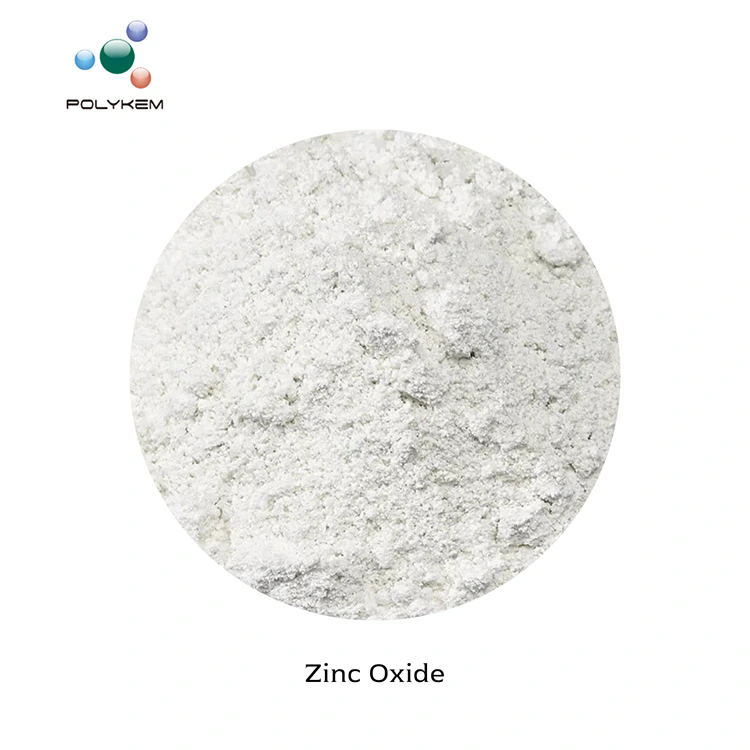
Table of Contents
Introduction to Zinc Oxide
Zinc Oxide is a white, powdery inorganic compound that occurs naturally as zincite but is commonly produced synthetically for industrial use. It is valued for its stability, non-toxicity, and multifunctional performance in diverse formulations.
In modern manufacturing, Zinc Oxide is not only a basic additive but also a functional material that enhances product durability, improves UV resistance, and supports antimicrobial performance. Its adaptability makes it a critical ingredient in industries ranging from rubber compounding to personal care formulations.
Key Physical and Chemical Properties
- Chemical Formula: ZnO
- Appearance: White powder
- Melting Point: ~1975°C
- Solubility: Insoluble in water
- UV Absorption: Strong ultraviolet blocking capability
- Electrical Properties: Semiconductor behavior under certain conditions
These properties allow Zinc Oxide to function in both protective and structural roles across different formulations. Its high thermal stability makes it suitable for high-temperature processing environments such as rubber vulcanization.
Manufacturing Methods
Zinc Oxide is typically produced through two primary industrial methods:
- Indirect (French) Process: Metallic zinc is vaporized and oxidized in controlled air conditions.
- Direct (American) Process: Zinc-containing ores are reduced and then oxidized to form ZnO.
The indirect process is widely used for high-purity applications such as pharmaceuticals and cosmetics, while the direct process is commonly applied in rubber and ceramic industries due to cost efficiency.
Major Applications
Zinc Oxide plays a critical role in multiple industries due to its multifunctional characteristics:
- Rubber Industry: Acts as an activator in vulcanization, improving elasticity and durability.
- Cosmetics: Used in sunscreens for UV protection and skin safety.
- Ceramics: Enhances glaze stability and thermal resistance.
- Paints and Coatings: Provides anti-corrosion and anti-fungal properties.
- Electronics: Used in semiconductors and varistors.
- Pharmaceuticals: Applied in ointments for skin protection and healing.
These applications highlight Zinc Oxide’s role as a multifunctional material that bridges chemical performance and practical usability.
Core Benefits and Performance Value
Zinc Oxide delivers several technical and commercial advantages:
- Enhances product durability and lifespan
- Improves UV resistance in coatings and personal care products
- Provides antimicrobial and antifungal effects
- Supports thermal stability in high-temperature processes
- Improves mechanical strength in rubber compounds
These benefits make it a preferred additive in formulations where both protection and performance consistency are required.
Comparison Table of Zinc Oxide Grades
| Grade Type | Purity Level | Main Applications | Key Advantage |
|---|---|---|---|
| Industrial Grade | Moderate | Rubber, ceramics | Cost efficiency |
| Pharmaceutical Grade | High | Medicines, skincare | High safety standard |
| Cosmetic Grade | Very High | Sunscreen, lotions | UV protection |
| Nano Zinc Oxide | Ultra-fine particles | Advanced coatings, electronics | Enhanced dispersion and transparency |
Safety and Handling Guidelines
Zinc Oxide is generally considered safe when handled correctly. However, industrial handling requires proper precautions to avoid inhalation of fine particles.
- Use protective masks in powder handling environments
- Ensure adequate ventilation in production facilities
- Avoid prolonged exposure to airborne dust
- Store in a dry and sealed container to prevent contamination
Compliance with industrial safety standards ensures both worker protection and product integrity.
Frequently Asked Questions
1. What is Zinc Oxide mainly used for?
It is used in rubber manufacturing, cosmetics, ceramics, coatings, and pharmaceuticals due to its protective and stabilizing properties.
2. Is Zinc Oxide safe for skin applications?
Yes, pharmaceutical and cosmetic grades are widely used in skincare products such as sunscreens and ointments.
3. Why is Zinc Oxide important in rubber production?
It acts as an activator in vulcanization, improving elasticity, strength, and heat resistance.
4. What makes nano Zinc Oxide different?
Its ultra-fine particle size improves transparency, dispersion, and surface coverage in advanced applications.
Conclusion
Zinc Oxide remains one of the most important multifunctional materials in modern industry due to its combination of chemical stability, safety profile, and broad usability. Its role continues to expand as industries demand higher performance materials that can deliver both protection and efficiency.
For high-quality Zinc Oxide products tailored to industrial requirements, Polykem provides reliable material solutions designed to meet diverse application needs. To explore specifications, technical support, or bulk supply options, Polykem contact us for further cooperation and product consultation.