Article Summary:
Hydrogenated Hydrocarbon Resin has become an important functional material for modern adhesive, coating, rubber, and polymer industries due to its excellent color stability, low odor, heat resistance, and compatibility with various polymers. This article explains how Hydrogenated Hydrocarbon Resin improves formulation performance, how manufacturers select the right grade, and what factors international buyers should consider when sourcing reliable resin materials from suppliers like JinLiDa Metal Materials Co., Ltd.
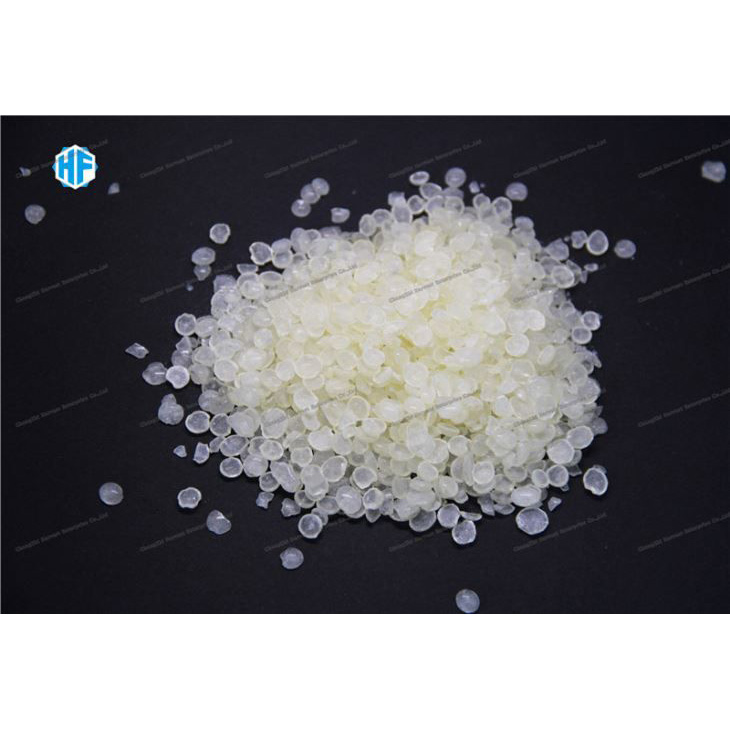
What Is Hydrogenated Hydrocarbon Resin?
Hydrogenated Hydrocarbon Resin is a modified hydrocarbon resin produced through hydrogenation treatment, a process that improves molecular stability by reducing unsaturated structures. Compared with conventional hydrocarbon resins, hydrogenated grades provide lighter color, better resistance to oxidation, improved thermal stability, and stronger performance consistency in demanding formulations.
As a functional additive rather than a primary structural polymer, Hydrogenated Hydrocarbon Resin is commonly used as a tackifier and performance modifier. It helps improve adhesion, flexibility, compatibility, and processing characteristics in adhesive and polymer systems. Hydrocarbon resin tackifiers are widely used in pressure-sensitive adhesives, hot melt adhesives, rubber compounds, coatings, and printing ink formulations.
For manufacturers, the selection of resin quality directly influences final product performance. Factors such as softening point, color value, molecular weight distribution, compatibility, and hydrogenation level determine whether the resin can meet specific application requirements.
How Is Hydrogenated Hydrocarbon Resin Produced?
The production of Hydrogenated Hydrocarbon Resin usually starts with petroleum-based hydrocarbon feedstocks such as C5, C9, or DCPD components. These raw materials are first polymerized into hydrocarbon resin and then undergo hydrogenation treatment under controlled conditions.
Main Manufacturing Steps
| Production Stage | Purpose |
|---|---|
| Raw Material Selection | Choosing suitable hydrocarbon fractions to achieve target resin characteristics. |
| Polymerization | Creates the basic resin molecular structure and controls softening properties. |
| Hydrogenation Treatment | Reduces unsaturated bonds and improves stability, color, and aging resistance. |
| Purification & Quality Testing | Ensures consistent performance for industrial applications. |
The hydrogenation degree can influence the final resin properties. Higher hydrogenation generally improves color stability and resistance to oxidation, making the resin suitable for applications requiring clean appearance and long service life.
How Does Hydrogenated Hydrocarbon Resin Improve Product Performance?
Many manufacturers face challenges such as insufficient adhesion, unstable color, poor compatibility, or performance loss under heat and aging conditions. Hydrogenated Hydrocarbon Resin helps solve these problems by modifying the physical behavior of the formulation.
1. Improved Adhesion and Tack
In adhesive formulations, the resin improves initial tack and bonding ability by enhancing contact between adhesive polymers and substrates. It is commonly combined with materials such as SIS, SBS, SEBS, EVA, and other polymer systems.
2. Better Color Stability
Traditional hydrocarbon resins may experience color changes during long-term exposure to heat or light. Hydrogenation reduces reactive unsaturated components, helping manufacturers achieve clearer and more stable products.
3. Enhanced Thermal Resistance
For applications exposed to elevated temperatures, resin stability is critical. Hydrogenated grades provide improved resistance against thermal oxidation, supporting longer-lasting performance.
4. Better Compatibility With Polymer Systems
| Polymer System | Expected Function |
|---|---|
| SIS / SBS | Improves tack, flexibility, and adhesive balance |
| EVA | Adjusts viscosity and bonding properties |
| Rubber Compounds | Enhances processing and adhesion characteristics |
| Coatings | Improves gloss and film performance |
Industrial Applications of Hydrogenated Hydrocarbon Resin
Pressure Sensitive Adhesives
Pressure-sensitive adhesives used in tapes, labels, protective films, and stickers require fast bonding and stable adhesion. Hydrogenated Hydrocarbon Resin provides excellent tackifying performance while maintaining low color and low odor characteristics.
Hot Melt Adhesives
Hot melt adhesive manufacturers use hydrogenated resins to improve melt flow, substrate wetting, and bonding strength. These properties are important in packaging, woodworking, automotive interiors, and assembly applications.
Rubber Products
In rubber formulations, Hydrogenated Hydrocarbon Resin can improve compound processability and enhance adhesion between rubber materials and other surfaces.
Printing Inks and Coatings
The resin can improve gloss, hardness, and adhesion of coating films. It is suitable for applications where appearance consistency and durability are important.
Key Factors When Purchasing Hydrogenated Hydrocarbon Resin
Choosing the correct resin grade requires more than checking price. Industrial buyers need to evaluate whether the resin matches their formulation requirements.
| Selection Factor | Why It Matters |
|---|---|
| Softening Point | Affects heat resistance, hardness, and application performance. |
| Color Value | Important for transparent adhesives and light-colored products. |
| Hydrogenation Level | Influences stability, oxidation resistance, and appearance. |
| Polymer Compatibility | Determines blending efficiency and final product performance. |
| Batch Consistency | Ensures stable production quality for large-scale manufacturing. |
Common Purchasing Concerns From Global Buyers
- Is the resin suitable for my adhesive formulation?
- Can the supplier provide stable batch-to-batch quality?
- Does the resin meet application-specific technical requirements?
- Can the supplier support customized specifications?
- Is the supply capacity reliable for long-term cooperation?
How JinLiDa Metal Materials Co., Ltd. Supports Industrial Resin Applications
JinLiDa Metal Materials Co., Ltd. focuses on providing reliable material solutions for industrial customers requiring stable quality and professional technical support. With experience in material selection, production management, and quality control, the company helps customers identify suitable Hydrogenated Hydrocarbon Resin products according to different application requirements.
For international buyers, consistent supply capability, accurate technical communication, and dependable product quality are essential. JinLiDa Metal Materials Co., Ltd. works closely with customers to provide resin materials that support adhesive, coating, rubber, and polymer manufacturing processes.
Frequently Asked Questions About Hydrogenated Hydrocarbon Resin
Q1: What is the main purpose of Hydrogenated Hydrocarbon Resin?
Hydrogenated Hydrocarbon Resin is mainly used as a tackifier and functional modifier to improve adhesion, compatibility, stability, and processing performance in adhesive and polymer formulations.
Q2: Why is hydrogenation important for hydrocarbon resin?
Hydrogenation improves molecular stability by reducing unsaturated structures, resulting in better color stability, oxidation resistance, and heat resistance.
Q3: Can Hydrogenated Hydrocarbon Resin be used in hot melt adhesives?
Yes. It is widely used in hot melt adhesive systems to improve tack, flow properties, and bonding performance.
Q4: How do buyers select the correct resin grade?
Buyers should consider application requirements including softening point, color, compatibility, hydrogenation level, and required performance characteristics.
Q5: Can JinLiDa Metal Materials Co., Ltd. provide customized solutions?
Yes. JinLiDa Metal Materials Co., Ltd. can communicate with customers about technical requirements and recommend suitable Hydrogenated Hydrocarbon Resin solutions for different industrial applications.
Looking for Reliable Hydrogenated Hydrocarbon Resin Supply?
Selecting the right resin material can directly influence adhesive performance, product stability, and production efficiency. JinLiDa Metal Materials Co., Ltd. provides professional material solutions with stable quality and customer-focused support.
If you need technical information, product specifications, or a customized quotation for Hydrogenated Hydrocarbon Resin, please contact us today. Our team is ready to help you find the right resin solution for your application.