

How Hydroxypropyl Betadex API Excipient Enhances Drug Solubility and Stability?
2026-03-18
Abstract
Hydroxypropyl betadex API excipient has become a critical component in modern pharmaceutical formulation due to its exceptional ability to improve drug solubility, stability, and bioavailability. This article provides a structured and detailed explanation of how this cyclodextrin derivative functions, its technical advantages, and how pharmaceutical manufacturers can leverage it to overcome formulation challenges. Practical insights, parameter tables, and FAQs are included to support informed decision-making.
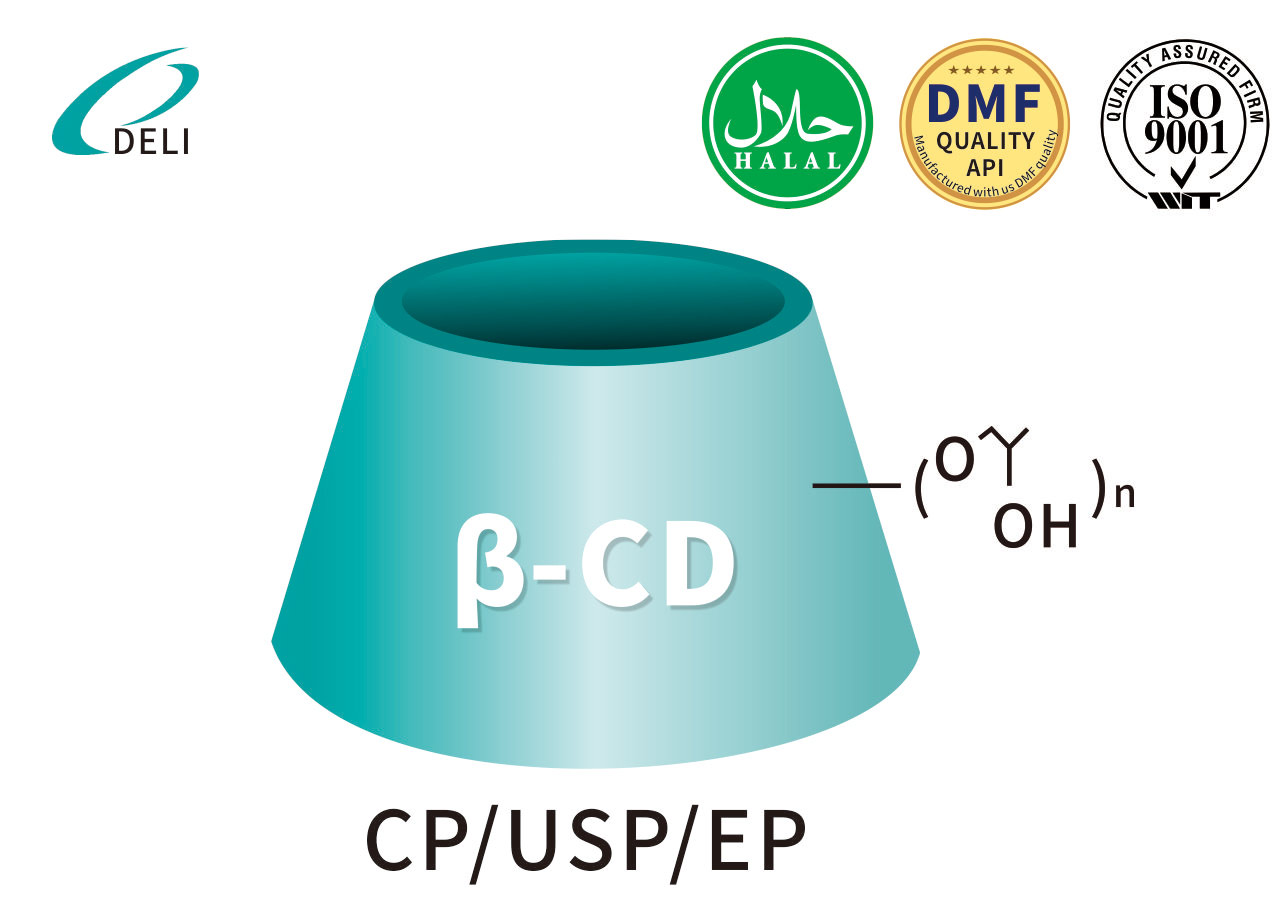
Table of Contents
- 1. Introduction to Hydroxypropyl Betadex API Excipient
- 2. How It Works in Drug Formulation
- 3. Key Benefits for Pharmaceutical Applications
- 4. Technical Parameters and Specifications
- 5. Common Application Scenarios
- 6. Challenges and Solutions
- 7. FAQs
- 8. Conclusion
1. Introduction to Hydroxypropyl Betadex API Excipient
Hydroxypropyl betadex, also known as hydroxypropyl-β-cyclodextrin (HPβCD), is a chemically modified cyclodextrin widely used in pharmaceutical formulations. It is derived from beta-cyclodextrin through hydroxypropylation, resulting in improved aqueous solubility and reduced toxicity.
As an API excipient, it plays a functional role beyond simple formulation support. It forms inclusion complexes with poorly soluble drug molecules, enhancing their dissolution profile and enabling more effective delivery systems.
Companies such as DELI have optimized production processes to ensure consistent quality, low impurity levels, and compliance with pharmaceutical standards, making it suitable for both oral and parenteral formulations.
2. How It Works in Drug Formulation
The mechanism of hydroxypropyl betadex is based on molecular encapsulation. Its structure contains a hydrophobic inner cavity and a hydrophilic outer surface, allowing it to interact with poorly soluble drugs.
- Encapsulates hydrophobic drug molecules inside its cavity
- Improves apparent solubility in aqueous environments
- Prevents degradation caused by light, oxygen, or heat
- Enhances permeability and absorption
This inclusion complex formation is reversible, ensuring that the active pharmaceutical ingredient is released at the target site without compromising efficacy.
3. Key Benefits for Pharmaceutical Applications
Hydroxypropyl betadex API excipient addresses several major formulation challenges faced by pharmaceutical developers:
- Improved Solubility: Enhances dissolution rate of poorly water-soluble drugs
- Enhanced Stability: Protects APIs from environmental degradation
- Better Bioavailability: Increases drug absorption in the body
- Reduced Irritation: Minimizes local irritation in injectable or topical formulations
- Versatile Compatibility: Suitable for multiple dosage forms
These benefits are particularly valuable in the development of modern drugs with complex molecular structures that often exhibit low solubility.
4. Technical Parameters and Specifications
| Parameter | Specification |
| Appearance | White or almost white amorphous powder |
| Solubility | Freely soluble in water |
| pH (1% solution) | 5.0 – 7.5 |
| Degree of Substitution | Typically 0.4 – 1.5 |
| Loss on Drying | ≤ 5.0% |
| Heavy Metals | Complies with pharmacopeial limits |
| Microbial Limits | Meets pharmaceutical standards |
These parameters ensure that the excipient maintains consistent performance across various formulations and complies with international pharmacopeia requirements.
5. Common Application Scenarios
Hydroxypropyl betadex API excipient is widely used across different pharmaceutical dosage forms:
- Oral solid dosage forms (tablets, capsules)
- Injectable solutions
- Ophthalmic formulations
- Topical creams and gels
- Nasal and pulmonary delivery systems
In injectable drugs, it plays a particularly critical role by improving solubility without introducing harmful solvents. In oral formulations, it enhances dissolution rate and ensures consistent drug release.
6. Challenges and Solutions
Despite its advantages, formulators may encounter certain challenges when using hydroxypropyl betadex:
- Complexation Efficiency: Not all APIs form stable inclusion complexes
- Cost Considerations: Higher purity grades may increase formulation costs
- Regulatory Compliance: Requires adherence to strict pharmacopeial standards
Solutions include:
- Conducting pre-formulation studies to determine compatibility
- Optimizing molar ratios for effective complexation
- Sourcing high-quality materials from reliable manufacturers such as DELI
7. FAQs
Q1: What makes hydroxypropyl betadex better than beta-cyclodextrin?
Hydroxypropyl betadex offers significantly higher water solubility and lower toxicity, making it more suitable for pharmaceutical applications, especially injectables.
Q2: Can it be used in injectable formulations?
Yes, it is widely used in parenteral formulations due to its safety profile and ability to solubilize hydrophobic drugs without harmful solvents.
Q3: Does it affect drug efficacy?
No, it enhances drug performance by improving solubility and stability while ensuring controlled release of the active ingredient.
Q4: Is it compatible with all APIs?
While highly versatile, compatibility depends on the molecular structure of the API. Pre-formulation studies are recommended.
8. Conclusion
Hydroxypropyl betadex API excipient is a highly effective solution for overcoming solubility and stability challenges in pharmaceutical development. Its ability to form inclusion complexes, improve bioavailability, and support diverse dosage forms makes it indispensable in modern drug formulation.
With advanced manufacturing capabilities and strict quality control, DELI provides reliable hydroxypropyl betadex solutions tailored to pharmaceutical needs. For manufacturers seeking to enhance product performance and streamline formulation processes, this excipient offers a proven and scalable approach.
For more product details or customized solutions, contact us today to discuss your formulation requirements and discover how hydroxypropyl betadex can optimize your pharmaceutical applications.