

How Is Magnesium Hydroxide MDH Applied Across Modern Industrial Systems?
2026-01-06
Abstract
Magnesium Hydroxide MDH is an inorganic compound widely deployed across polymer processing, cable manufacturing, building materials, environmental treatment, and specialty chemical systems. This article provides a structured and technically grounded examination of Magnesium Hydroxide MDH, focusing on its physicochemical profile, production parameters, processing compatibility, and real-world industrial utilization. The discussion is organized into four integrated nodes to align with search behavior and professional reading habits, supported by a clear table of specifications and a practical question-and-answer section addressing common industry concerns.
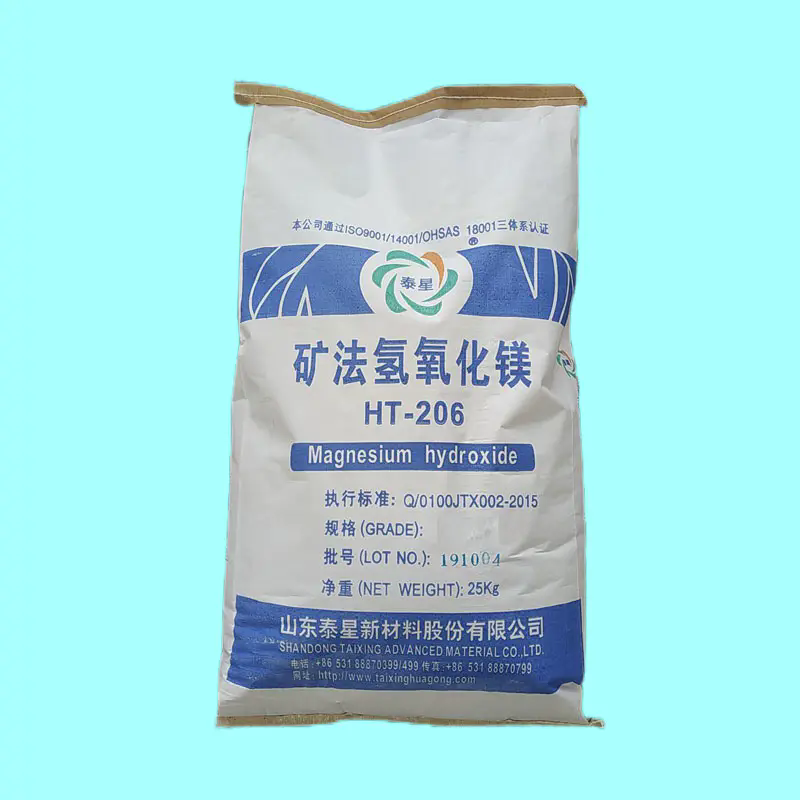
Table of Contents
- 1. How Is Magnesium Hydroxide MDH Defined and Classified?
- 2. How Do Product Parameters Influence Processing Performance?
- 3. How Is Magnesium Hydroxide MDH Integrated into Key Industries?
- 4. How Is the Market for Magnesium Hydroxide MDH Evolving?
- Frequently Asked Questions About Magnesium Hydroxide MDH
1. How Is Magnesium Hydroxide MDH Defined and Classified?
Magnesium Hydroxide MDH, with the chemical formula Mg(OH)2, is a naturally occurring mineral-based compound typically derived from brucite ore or synthesized via controlled precipitation from magnesium salts. In industrial contexts, MDH is primarily categorized as a functional inorganic filler rather than a reactive chemical additive, which directly influences its compatibility with thermoplastic, thermoset, and elastomer systems.
From a materials science perspective, Magnesium Hydroxide MDH is characterized by a layered hexagonal crystal structure. This morphology contributes to its thermal decomposition behavior, in which the compound releases water molecules at elevated temperatures while forming magnesium oxide. This transformation is central to its use in applications requiring thermal stability and controlled heat absorption.
Industrial-grade MDH is generally classified according to particle size distribution, surface treatment status, and purity level. These classifications determine suitability for extrusion, injection molding, compounding, or slurry-based processes. Fine-particle MDH grades are typically selected for polymer matrices, while coarser grades are more common in environmental or refractory applications.
The global supply chain distinguishes Magnesium Hydroxide MDH from similar materials such as aluminum hydroxide based on its higher decomposition temperature, which allows compatibility with higher processing windows. This distinction has positioned MDH as a preferred option in sectors where thermal margins are critical.
2. How Do Product Parameters Influence Processing Performance?
Understanding product parameters is essential when specifying Magnesium Hydroxide MDH for industrial use. Variations in physical and chemical characteristics can significantly impact dispersion behavior, mechanical integrity of finished products, and long-term stability.
| Parameter | Typical Range | Industrial Relevance |
|---|---|---|
| Chemical Purity (Mg(OH)₂) | ≥ 95% – 99% | Ensures consistent thermal behavior and minimal contamination |
| Average Particle Size (D50) | 0.8 – 3.5 µm | Influences dispersion, surface finish, and mechanical properties |
| Whiteness | ≥ 90% | Affects appearance in light-colored polymer formulations |
| Moisture Content | ≤ 0.5% | Reduces processing defects such as voids or hydrolysis |
| Surface Treatment | Stearate / Silane (optional) | Improves compatibility with organic polymer matrices |
Particle morphology and surface chemistry play decisive roles in how MDH behaves during compounding. Surface-treated grades exhibit reduced agglomeration tendencies and improved interfacial bonding with resins such as EVA, PE, PP, and rubber compounds.
Thermal stability is another critical parameter. Magnesium Hydroxide MDH begins endothermic decomposition at approximately 330–340°C, which allows it to withstand higher processing temperatures compared to alternative mineral fillers. This property expands its usability in engineering plastics and wire-and-cable insulation systems.
From a rheological standpoint, MDH loading levels must be balanced against melt flow requirements. Proper grade selection enables high filler loading while maintaining acceptable processability in extrusion or molding operations.
3. How Is Magnesium Hydroxide MDH Integrated into Key Industries?
Magnesium Hydroxide MDH serves as a multifunctional material across a diverse range of industries. Its integration strategies vary depending on processing methods, regulatory requirements, and performance targets.
Polymer and Cable Compounding
In halogen-free cable formulations, MDH is incorporated as a mineral component that supports thermal resistance and smoke suppression objectives. Its higher decomposition temperature aligns with the processing conditions of cross-linked polyethylene and elastomeric insulation compounds.
Building and Construction Materials
MDH is utilized in panels, coatings, and composite materials where dimensional stability and thermal moderation are required. Its inorganic nature contributes to long-term durability and resistance to environmental degradation.
Environmental and Water Treatment
Due to its alkaline characteristics, Magnesium Hydroxide MDH is applied in wastewater neutralization and heavy metal precipitation processes. Compared with caustic alternatives, MDH offers controlled pH adjustment and safer handling profiles.
Chemical and Pharmaceutical Processing
Select high-purity MDH grades are employed as intermediates or processing aids in specialty chemical synthesis. Particle consistency and low impurity levels are essential in these contexts.
Across these industries, the choice of Magnesium Hydroxide MDH is guided not by a single performance metric, but by its balanced contribution to processing stability, regulatory compliance, and lifecycle considerations.
4. How Is the Market for Magnesium Hydroxide MDH Evolving?
The global market for Magnesium Hydroxide MDH continues to expand alongside increasing adoption of halogen-free material systems and stricter environmental standards. Manufacturing regions with access to high-quality magnesium resources and advanced processing capabilities play a central role in supply stability.
Technological developments are driving finer particle control, narrower size distributions, and improved surface modification techniques. These advancements support more predictable performance in high-specification applications such as automotive components and advanced cable systems.
From a regulatory standpoint, MDH aligns with evolving material safety frameworks due to its inorganic composition and low toxicity profile. This alignment reinforces its position in long-term material strategies across infrastructure and industrial manufacturing sectors.
Looking forward, Magnesium Hydroxide MDH is expected to remain a core mineral material in industrial formulations where process reliability and material consistency are prioritized.
Frequently Asked Questions About Magnesium Hydroxide MDH
Q: How does Magnesium Hydroxide MDH differ from other magnesium compounds?
A: Magnesium Hydroxide MDH is distinguished by its layered crystal structure and controlled thermal decomposition behavior, which make it suitable for high-temperature processing environments where other magnesium salts may degrade or react prematurely.
Q: How is particle size selection determined for specific applications?
A: Particle size selection is based on processing method and end-use requirements. Fine particles enhance dispersion and surface finish in polymers, while larger particles are sufficient for environmental or refractory applications where surface aesthetics are less critical.
Q: How does surface treatment affect MDH performance?
A: Surface treatment improves compatibility with organic matrices by reducing surface polarity. This results in better dispersion, reduced viscosity impact, and improved mechanical integrity in filled systems.
As a reliable supplier within the industrial mineral sector, Taixing supports global customers with stable-quality Magnesium Hydroxide MDH tailored to diverse processing requirements. Technical consistency, controlled specifications, and application-oriented support remain central to long-term material partnerships.
For detailed specifications, application guidance, or customized supply solutions, please contact us to discuss project requirements and sourcing strategies.