How is N-Methylaniline (NMA) Used in Industrial Applications and Chemical Manufacturing?
2026-04-23
Abstract
N-Methylaniline (NMA) is an important organic intermediate widely used in dyes, pesticides, rubber chemicals, fuel additives, and pharmaceutical synthesis. Due to its strong reactivity and aromatic amine structure, it plays a crucial role in multiple industrial value chains. However, customers often face challenges related to handling safety, storage stability, purity control, and application efficiency. This article provides a comprehensive overview of N-Methylaniline (NMA), including its properties, industrial uses, benefits, safety considerations, and best practices for procurement and usage.
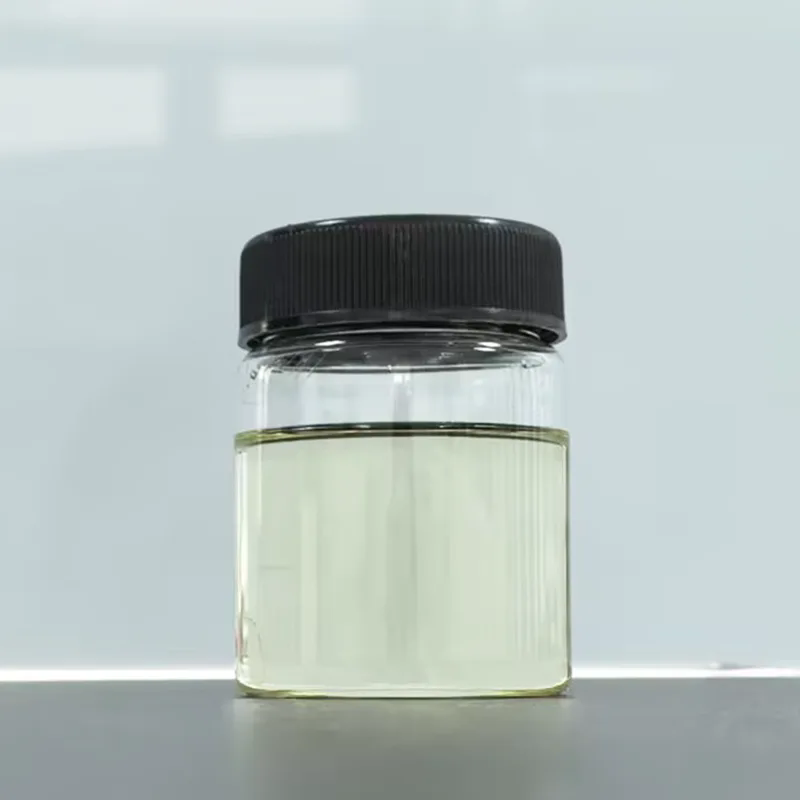
Table of Contents
- Introduction to N-Methylaniline
- Physical and Chemical Properties
- Manufacturing Overview
- Industrial Applications of N-Methylaniline
- Key Advantages in Industry
- Safety and Handling Guidelines
- Storage and Transportation
- Quality Control Considerations
- Common Issues and Solutions
- Frequently Asked Questions
- Conclusion
Introduction to N-Methylaniline
N-Methylaniline (NMA) is an aromatic amine compound derived from aniline by methyl substitution. It appears as a colorless to slightly yellow liquid with a characteristic amine odor. As a versatile intermediate, it is extensively used in chemical synthesis processes where electron-donating amine groups are required.
Industries rely on N-Methylaniline for its ability to enhance reaction efficiency and serve as a building block for complex organic compounds. However, due to its chemical activity, proper handling and sourcing are critical for ensuring consistent production quality.
Physical and Chemical Properties
| Property | Value |
|---|---|
| Molecular Formula | C7H9N |
| Molecular Weight | 107.15 g/mol |
| Appearance | Colorless to light yellow liquid |
| Boiling Point | ~196°C |
| Solubility | Slightly soluble in water, soluble in organic solvents |
| Density | ~0.99 g/cm³ |
These properties make NMA suitable for high-temperature reactions and organic synthesis environments where stability and reactivity must be balanced.
Manufacturing Overview
N-Methylaniline is typically produced through the methylation of aniline using methanol or dimethyl sulfate under controlled catalytic conditions. The process requires strict temperature and pressure control to ensure product purity and minimize by-products.
Key production steps include:
- Raw material preparation (aniline and methylating agents)
- Catalytic reaction under controlled conditions
- Separation and purification
- Distillation to achieve required purity grades
Industrial-grade NMA must meet stringent purity standards, especially for use in dyes and pharmaceuticals.
Industrial Applications of N-Methylaniline
N-Methylaniline plays a critical role in multiple industries:
- Dye Industry: Used as an intermediate in azo dyes and pigments
- Pesticide Manufacturing: Serves as a precursor for herbicides and insecticides
- Rubber Chemicals: Enhances vulcanization accelerators
- Fuel Additives: Improves combustion performance in specialty fuels
- Pharmaceuticals: Intermediate in active pharmaceutical ingredient synthesis
Its versatility makes it a key chemical in industrial organic synthesis pipelines.
Key Advantages in Industry
- High reactivity in aromatic substitution reactions
- Improves production efficiency in dye synthesis
- Compatible with a wide range of chemical processes
- Cost-effective intermediate for large-scale manufacturing
These benefits explain why NMA remains a preferred choice for chemical manufacturers globally.
Safety and Handling Guidelines
N-Methylaniline requires careful handling due to its toxic and potentially hazardous nature. Exposure can cause irritation to skin, eyes, and respiratory systems.
Recommended safety measures:
- Use personal protective equipment (PPE) including gloves and goggles
- Ensure proper ventilation in working areas
- Avoid direct skin contact and inhalation
- Implement spill containment procedures
Storage and Transportation
Proper storage is essential to maintain NMA stability and safety.
- Store in tightly sealed containers
- Keep away from heat, flames, and oxidizing agents
- Maintain cool, dry, and ventilated environments
- Use approved chemical transport containers for shipment
Quality Control Considerations
High-quality N-Methylaniline ensures stable performance in downstream applications. Buyers should evaluate:
- Purity percentage (typically ≥99%)
- Moisture content
- Color index
- Impurity profile
Reliable suppliers implement strict quality assurance systems to ensure batch consistency.
Common Issues and Solutions
Issue 1: Color variation in product
Solution: Improve distillation control and raw material purity.
Issue 2: Reduced reactivity
Solution: Check storage conditions and avoid oxidation exposure.
Issue 3: Impurity contamination
Solution: Enhance filtration and purification steps during production.
Frequently Asked Questions (FAQ)
Q1: What is N-Methylaniline mainly used for?
A1: It is mainly used in dyes, pesticides, rubber chemicals, and chemical intermediates.
Q2: Is NMA hazardous?
A2: Yes, it is toxic and requires proper protective handling procedures.
Q3: Can N-Methylaniline be stored long-term?
A3: Yes, if stored in sealed containers under cool and dry conditions.
Q4: What purity is required for industrial use?
A4: Most applications require at least 99% purity for optimal performance.
Q5: Is NMA soluble in water?
A5: It has low solubility in water but is soluble in organic solvents.
Conclusion
N-Methylaniline (NMA) is a vital chemical intermediate supporting multiple industrial sectors, from dyes and agrochemicals to pharmaceuticals and fuel additives. Its versatility and strong reactivity make it indispensable in modern chemical manufacturing, but its handling requires strict safety and quality control measures.
Choosing a reliable supplier ensures stable quality, safer operations, and improved production efficiency. Jiangsu King Road New Materials Co.,Ltd provides high-quality N-Methylaniline products tailored for industrial applications worldwide.
For detailed specifications, bulk supply options, and technical support, contact us to get professional assistance and competitive solutions for your chemical sourcing needs.