
How is N-Methylaniline Produced, Applied, and Managed Safely?
2026-06-17
Abstract
N-Methylaniline is an important organic intermediate widely used in dyes, agrochemicals, fuel additives, and fine chemical synthesis. Due to its strong reactivity and toxicity profile, industries must carefully manage its production, storage, and application. This article provides a structured overview of N-Methylaniline, including its chemical characteristics, industrial manufacturing routes, key applications, safety considerations, and environmental responsibilities. It also outlines practical handling guidance for industrial users and procurement decision-makers seeking stable supply chains and consistent product quality.
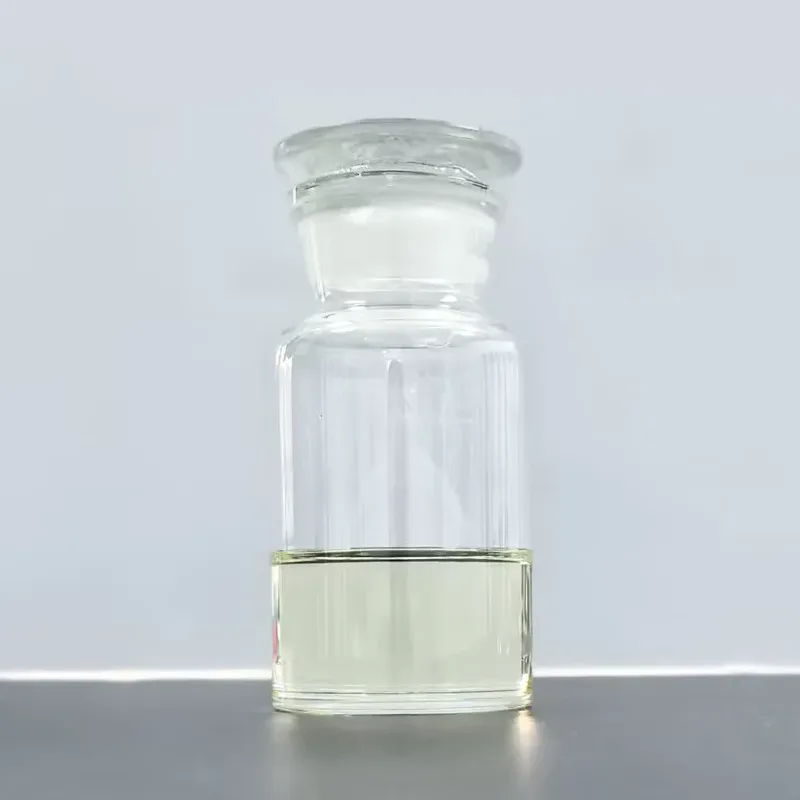
Table of Contents
- 1. Introduction to N-Methylaniline
- 2. Chemical and Physical Properties
- 3. Industrial Production Methods
- 4. Key Industrial Applications
- 5. Safety, Storage, and Handling Guidelines
- 6. Environmental and Regulatory Considerations
- 7. Supply Capability and Industrial Support
- 8. Frequently Asked Questions
- 9. Conclusion and Procurement Guidance
1. Introduction to N-Methylaniline
N-Methylaniline (NMA) is an aromatic amine derived from aniline through methyl substitution. It is a colorless to pale yellow liquid with a characteristic amine-like odor. In industrial chemistry, it serves as a versatile intermediate in the synthesis of dyes, rubber accelerators, pharmaceuticals, and agrochemical compounds.
Because of its high solvency and reactivity, N-Methylaniline is often used as a building block rather than a final product. Its role in chemical manufacturing makes it a strategically important material for multiple downstream industries.
2. Chemical and Physical Properties
Understanding the properties of N-Methylaniline is essential for safe industrial handling and process optimization. The compound exhibits both aromatic stability and amine reactivity, making it suitable for substitution reactions and coupling processes.
- Molecular Formula: C7H9N
- Molecular Weight: 107.15 g/mol
- Appearance: Light yellow transparent liquid
- Boiling Point: Approximately 196°C
- Solubility: Slightly soluble in water, miscible with organic solvents
These properties allow it to function effectively in high-temperature synthesis environments and organic reaction systems.
| Property | Value | Industrial Relevance |
|---|---|---|
| Boiling Point | ~196°C | Suitable for high-temperature reactions |
| Solubility | Organic solvents | Easy formulation in chemical systems |
| Reactivity | Moderate to high | Useful intermediate for synthesis |
3. Industrial Production Methods
Industrial production of N-Methylaniline is typically achieved through the methylation of aniline using methanol or methyl chloride under catalytic conditions. The process requires careful control of temperature, pressure, and catalyst selection to maximize yield and minimize by-products.
Common production routes include:
- Catalytic methylation: Aniline reacts with methanol in the presence of acidic or metal catalysts.
- Reductive alkylation: Involves formaldehyde and hydrogenation steps.
- Gas-phase alkylation: Used in large-scale continuous systems for higher efficiency.
Each method is selected based on production scale, cost efficiency, and downstream application requirements.
4. Key Industrial Applications
N-Methylaniline is widely used across multiple industries due to its chemical versatility.
- Dye Industry: Intermediate for azo dyes and colorants
- Agrochemicals: Used in herbicide and pesticide synthesis
- Fuel Additives: Acts as an octane improver component
- Pharmaceuticals: Intermediate in active pharmaceutical ingredient synthesis
- Rubber Industry: Accelerator precursor in vulcanization processes
Its ability to participate in electrophilic substitution reactions makes it especially valuable in aromatic chemistry pathways.
5. Safety, Storage, and Handling Guidelines
N-Methylaniline requires strict safety protocols due to its toxicological profile. It can be harmful through inhalation, ingestion, or skin exposure. Industrial users must adopt controlled environments and proper protective measures.
- Use chemical-resistant gloves and protective goggles during handling
- Ensure adequate ventilation in storage and production areas
- Store in tightly sealed containers away from oxidizing agents
- Maintain cool, dry conditions to prevent decomposition
Emergency response procedures should be established for accidental exposure, including immediate decontamination and medical consultation.
6. Environmental and Regulatory Considerations
Due to its potential environmental impact, N-Methylaniline must be managed in compliance with chemical safety regulations. Waste streams should be treated before discharge to prevent contamination of water and soil systems.
Industries are encouraged to adopt:
- Closed-loop production systems
- Solvent recovery technologies
- Catalyst recycling processes
These approaches reduce environmental footprint while improving production efficiency.
7. Supply Capability and Industrial Support
In the global chemical supply chain, consistent quality and stable delivery are critical for downstream manufacturing. Jiangsu King Road New Materials Co.,Ltd provides industrial-grade N-Methylaniline designed to meet strict purity and performance requirements for diverse applications.
The company focuses on:
- Stable batch-to-batch quality control
- Flexible packaging and logistics solutions
- Technical support for industrial applications
- Customized supply specifications based on client requirements
Through integrated production and quality assurance systems, the company supports continuous operations for global chemical manufacturers.
8. Frequently Asked Questions
Q1: What is the main use of N-Methylaniline?
It is primarily used as an intermediate in dye, agrochemical, and fuel additive production.
Q2: Is N-Methylaniline hazardous?
Yes, it is toxic and requires proper protective equipment and ventilation during handling.
Q3: How should it be stored?
It should be stored in sealed containers in a cool, dry, and well-ventilated environment away from oxidizers.
Q4: Can it be used in pharmaceutical synthesis?
Yes, it is used as an intermediate in certain pharmaceutical manufacturing pathways.
Q5: What industries rely most on N-Methylaniline?
Dyes, agriculture chemicals, rubber processing, and specialty chemical industries are the primary users.
9. Conclusion and Procurement Guidance
N-Methylaniline remains a critical intermediate in modern chemical manufacturing, supporting a wide range of industrial applications. Its value lies in its chemical versatility, enabling efficient synthesis pathways across multiple sectors. However, due to its hazardous nature, careful handling, regulatory compliance, and responsible production practices are essential.
For enterprises seeking reliable supply, technical stability, and scalable sourcing solutions, partnering with an experienced manufacturer is crucial to maintaining production continuity and quality consistency.
Jiangsu King Road New Materials Co.,Ltd is committed to delivering high-quality chemical intermediates with strong industrial support and dependable logistics.
For detailed specifications, bulk procurement options, or technical consultation, please contact us to discuss your requirements and receive tailored solutions for your production needs.