

How Is Polymer Ferric Sulphate Synthesized And What Is Its Chemical Structure
2026-01-20
Understanding the production and fundamental composition of Polymer Ferric Sulphate is crucial for professionals in water treatment and industrial processes. As a leading innovator in chemical solutions, TONGGE ENERGY provides high-purity Polymer Ferric Sulphate, engineered for superior coagulation and flocculation. This article delves into the synthesis and chemical structure of this advanced inorganic polymer coagulant.
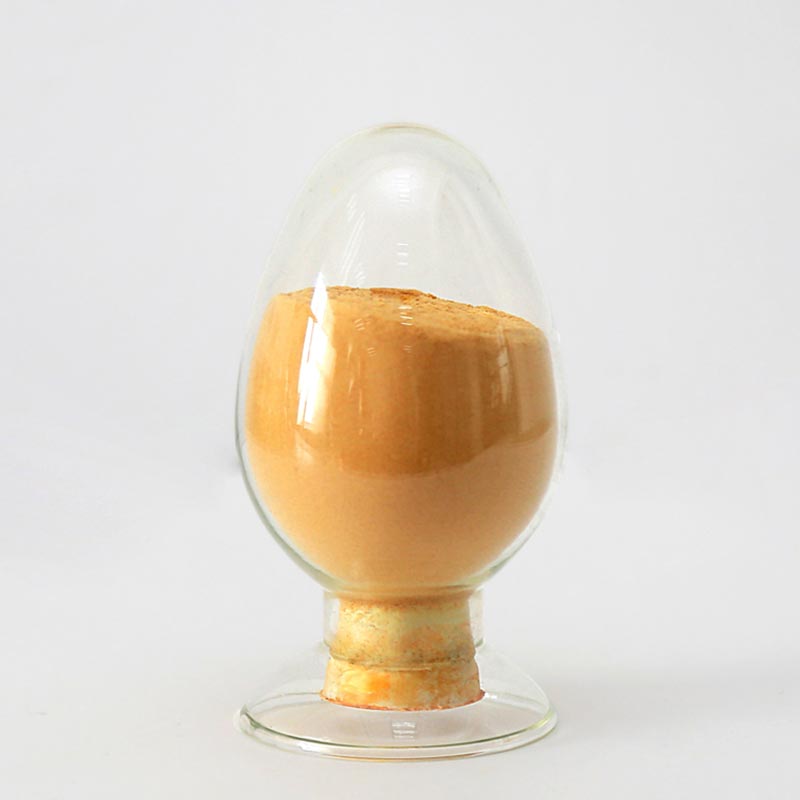
The Synthesis of Polymer Ferric Sulphate
The manufacturing of Polymer Ferric Sulphate is a controlled process that involves the polymerization of basic ferric sulphate. At TONGGE ENERGY, we employ a state-of-the-art method to ensure consistency and high activity. The general synthesis involves two key stages:
-
Primary Reaction: Ferric sulphate (Fe₂(SO₄)₃) is reacted with a precise amount of an alkaline agent, such as sodium hydroxide or calcium carbonate, under specific temperature and pH conditions. This forms a basic ferric sulphate solution.
-
Polymerization: The solution undergoes a maturation and polymerization process. This step is critical for developing the long-chain, high-molecular-weight polymeric structure that gives Polymer Ferric Sulphate its enhanced performance over conventional ferric sulphate.
The process can be summarized in the table below:
| Stage | Key Reactants | Process Condition | Outcome |
|---|---|---|---|
| Primary Reaction | Ferric Sulphate, Alkali | Controlled pH & Temperature | Formation of Basic Ferric Sulphate |
| Polymerization | Basic Ferric Sulphate Solution | Aging & Polymerization | Formation of Long-Chain Inorganic Polymer |
Decoding the Chemical Structure
The chemical formula is often represented as [Fe₂(OH)ₙ(SO₄)₃₋ₙ/₂]ₘ, where *n* < 2 and *m* = f(n). This indicates a polymeric structure where multiple ferric (Fe³⁺) ions are bridged by hydroxyl (OH⁻) and sulphate (SO₄²⁻) groups. The core features include:
-
Polymeric Chains: It consists of inorganic polymer chains with Fe-OH-Fe and Fe-SO₄-Fe bonds.
-
High Positive Charge: The polymer carries a high positive charge density, which is essential for neutralizing negatively charged colloidal particles in water.
-
Adaptable Structure: The degree of polymerization (*m*) and hydroxyl content (*n*) can be adjusted during synthesis at TONGGE ENERGY to tailor the product for specific water quality challenges.
Polymer Ferric Sulphate FAQ
Q: How does Polymer Ferric Sulphate differ from ordinary Ferric Sulphate?
A: The key difference lies in the polymeric structure. While both provide Fe³⁺ ions, Polymer Ferric Sulphate has pre-formed, long-chain polymers that work faster, create stronger and denser flocs, and perform better at lower temperatures and over a wider pH range compared to its non-polymerized counterpart.
Q: What is the typical dosage range for Polymer Ferric Sulphate?
A: Dosage varies greatly depending on raw water quality (turbidity, COD, pH). It typically ranges from 5 to 100 ppm (mg/L). TONGGE ENERGY always recommends conducting jar tests on-site to determine the optimal, cost-effective dosage for each specific application to avoid under or over-dosing.
Q: Is Polymer Ferric Sulphate suitable for treating drinking water?
A: Yes, when produced to meet strict purity standards. The coagulant from TONGGE ENERGY is manufactured using high-grade raw materials and complies with relevant international guidelines for drinking water treatment, effectively removing contaminants while ensuring safety.
For water treatment plants seeking a reliable, high-performance coagulant, understanding the science behind Polymer Ferric Sulphate is the first step. TONGGE ENERGY's expertise in synthesizing this advanced chemical ensures you receive a product optimized for efficiency and reliability. Contact us today to discuss your specific water treatment challenges and request a sample of our premium Polymer Ferric Sulphate. Our technical team is ready to provide expert support and customized solutions.