

How Is Sodium Phosphate (TSP) Used Across Industrial and Commercial Applications?
2025-12-22
Article Abstract
Sodium Phosphate (TSP), also known as Trisodium Phosphate, is a multifunctional inorganic compound widely applied in industrial processing, food manufacturing, water treatment, and surface preparation. This article provides a comprehensive and technically grounded overview of Sodium Phosphate (TSP), focusing on how it functions, how it is specified, and how it continues to adapt to regulatory and market demands. Through detailed parameter analysis, application-based explanations, and practical question-and-answer sections, the content is structured to support professional decision-making and technical evaluation.
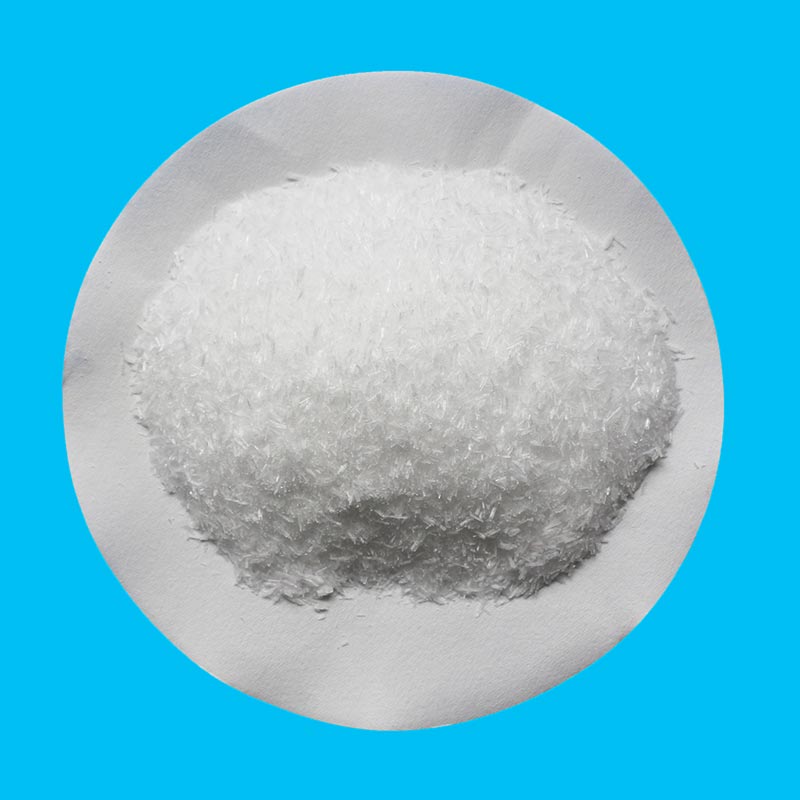
Table of Contents
- 1. Product Overview and Core Purpose
- 2. Technical Parameters and Specifications
- 3. How Sodium Phosphate (TSP) Functions in Key Industries
- 4. Common Questions About Sodium Phosphate (TSP)
- 5. Regulatory, Supply, and Future Market Considerations
- 6. Brand Perspective and Contact Information
1. Product Overview and Core Purpose
Sodium Phosphate (TSP) is an alkaline sodium salt derived from phosphoric acid and sodium hydroxide. It is typically supplied as a white, granular or crystalline powder that is readily soluble in water. Due to its buffering capacity, emulsification support, and ability to modify surface chemistry, Sodium Phosphate (TSP) is recognized as a foundational compound in multiple industrial systems.
The central purpose of Sodium Phosphate (TSP) lies in its ability to regulate pH, improve process stability, and enhance material compatibility across diverse formulations. Whether applied in cleaning solutions, food-grade processing, or water conditioning, its performance is governed by predictable chemical behavior and standardized quality benchmarks.
2. Technical Parameters and Specifications
Accurate specification is essential when sourcing Sodium Phosphate (TSP) for industrial or commercial use. The following table outlines commonly referenced parameters used for evaluation and procurement.
| Parameter | Typical Specification | Relevance |
|---|---|---|
| Chemical Formula | Na3PO4 | Defines molecular composition and reactivity |
| Purity | ≥ 98% | Impacts consistency in sensitive applications |
| Appearance | White crystalline powder or granules | Indicates product handling and dissolution behavior |
| Solubility | Highly soluble in water | Ensures rapid integration into formulations |
| pH (1% solution) | 11.5 – 12.5 | Determines alkalinity and buffering capacity |
| Moisture Content | ≤ 0.5% | Affects storage stability and flowability |
These parameters are typically verified through standardized analytical methods and form the basis for quality assurance across supply chains.
3. How Sodium Phosphate (TSP) Functions in Key Industries
How does Sodium Phosphate (TSP) support industrial cleaning and surface preparation?
In industrial cleaning systems, Sodium Phosphate (TSP) acts as an alkaline builder that breaks down grease, oils, and protein residues. Its high pH facilitates saponification, enabling efficient removal of contaminants from metal, concrete, and painted surfaces prior to coating or finishing processes.
How is Sodium Phosphate (TSP) applied in food and beverage processing?
Within regulated food-grade applications, Sodium Phosphate (TSP) is used to control acidity, stabilize emulsions, and improve moisture retention. Its buffering action helps maintain consistent texture and processing conditions, particularly in meat, seafood, and dairy-related formulations.
How does Sodium Phosphate (TSP) contribute to water treatment systems?
In water treatment, Sodium Phosphate (TSP) functions as a scale inhibitor and corrosion control agent. By complexing with calcium and magnesium ions, it reduces mineral deposition and supports the long-term efficiency of piping and heat exchange systems.
4. Common Questions About Sodium Phosphate (TSP)
How should Sodium Phosphate (TSP) be stored to maintain product stability?
Sodium Phosphate (TSP) should be stored in a dry, well-ventilated environment, away from moisture and incompatible acids. Proper sealing prevents caking and preserves its chemical integrity over extended storage periods.
How does Sodium Phosphate (TSP) differ from other phosphate salts?
Compared to mono- or disodium phosphates, Sodium Phosphate (TSP) exhibits higher alkalinity and stronger cleaning and buffering performance. This distinction makes it more suitable for applications requiring aggressive pH control or enhanced degreasing action.
How is dosage determined for Sodium Phosphate (TSP) in formulations?
Dosage is typically calculated based on target pH, system volume, and interaction with other formulation components. Laboratory trials and process simulations are commonly used to optimize addition rates while maintaining compliance with applicable standards.
5. Regulatory, Supply, and Future Market Considerations
Global use of Sodium Phosphate (TSP) is shaped by environmental regulations, particularly those addressing phosphate discharge and eutrophication. As a result, manufacturers and end users increasingly focus on controlled application, recycling systems, and compliance documentation.
From a supply perspective, consistent raw material sourcing and production transparency are critical. Future market development is expected to emphasize higher-purity grades, application-specific customization, and improved traceability across international trade channels.
6. Brand Perspective and Contact Information
Tongge supplies Sodium Phosphate (TSP) with a focus on stable specifications, controlled production processes, and application-oriented support. By aligning product parameters with industry requirements, Tongge continues to serve diverse sectors requiring reliable phosphate solutions.
For detailed specifications, technical documentation, or application guidance related to Sodium Phosphate (TSP), interested parties are encouraged to contact the Tongge team for professional assistance and tailored recommendations.