
How Much Non Dairy Creamer for Chocolate Should I Use for the Perfect Mocha Ratio
2026-07-02
Finding the ideal mocha ratio is more science than art. The balance between espresso, chocolate, and your chosen dairy alternative determines not only taste but also texture, mouthfeel, and sweetness perception. For baristas and home brewers alike, the most common variable that ruins a mocha is overdosing or underdosing the creamer. This guide provides a data‑driven approach to mastering your mocha with Non Dairy Creamer for Chocolate, while highlighting why Lianfeng Bioengineering has become a trusted ingredient partner for consistent results.
The Golden Ratio Framework
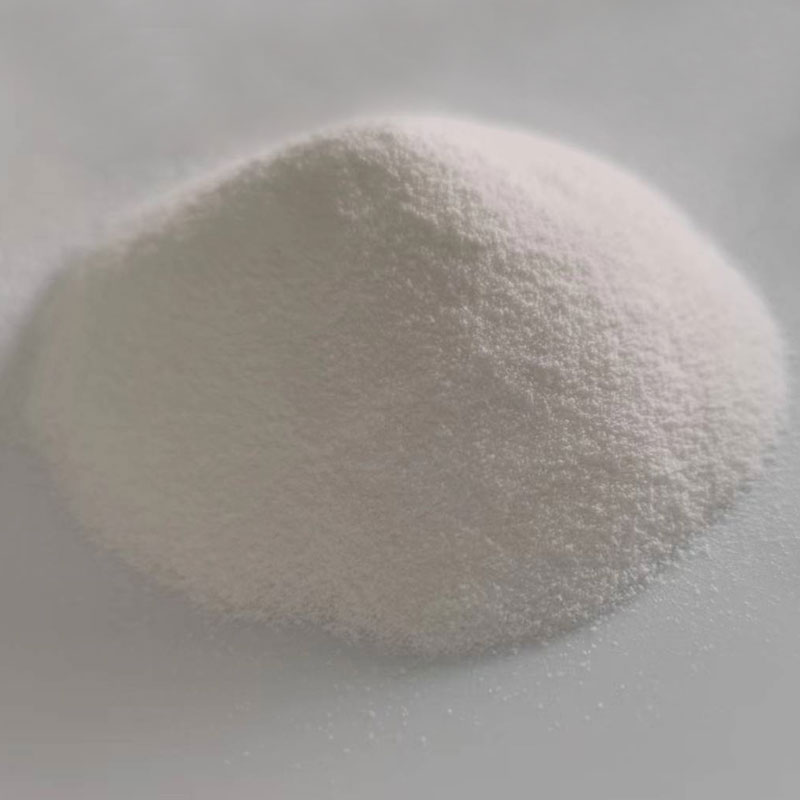
A standard 12‑oz (355 ml) hot mocha starts with a double shot of espresso (about 60 ml) and 2 oz (60 ml) of chocolate syrup or ganache. The remaining volume—roughly 235 ml—is your dairy or non‑dairy base. When using Non Dairy Creamer for Chocolate, the recommended starting point is 18‑22 grams of powder per 240 ml of water or milk alternative. This yields a fat‑equivalent of around 4‑5%, which mimics whole milk’s richness without masking the chocolate notes.
However, this baseline shifts based on three factors: chocolate sweetness, brewing temperature, and serving style (hot vs. iced). The table below breaks down precise adjustments.
Recommended Dosage by Mocha Type
| Mocha Style | Serving Size | Water/Liquid Base | Non Dairy Creamer for Chocolate (grams) | Chocolate Syrup (oz) | Final Fat % |
|---|---|---|---|---|---|
| Hot Classic | 12 oz (355ml) | 240 ml water | 20 | 1.5 (semi‑sweet) | 4.8% |
| Hot Dark | 12 oz | 240 ml water | 22 | 1.0 (bittersweet) | 5.2% |
| Iced Mocha | 16 oz (473ml) | 360 ml oat milk* | 16 (reduce by 20% due to ice dilution) | 2.0 | 3.9% |
| Low‑Sugar | 12 oz | 240 ml water | 24 (compensates for reduced syrup) | 0.8 (sugar‑free) | 5.5% |
*Oat milk already contains fats; adjust powder downward to avoid greasy mouthfeel. For water‑based recipes, always use the full 20‑22g range.
The Science of Dissolution and Emulsion
Lianfeng Bioengineering formulates their Non Dairy Creamer for Chocolate with a unique emulsifier blend (mono‑ and diglycerides) that activates between 55‑65°C. Below this temperature, powder clumps; above 75°C, proteins denature and reduce creaminess. The perfect mocha ratio therefore depends on liquid temperature:
-
Hot mocha (60‑65°C) → 20g powder per 240ml – dissolves fully in 8‑10 seconds of whisking.
-
Iced mocha (4‑10°C) → 16g powder pre‑dissolved in 60ml hot water (slurry method), then added to cold liquid – prevents sedimentation.
A practical rule: for every 5°C drop in serving temperature, reduce powder by 1g to maintain the same perceived viscosity. This is why Lianfeng Bioengineering provides technical datasheets with temperature‑specific solubility curves—a feature professional roasters rely on.
Step‑by‑Step Perfect Ratio Workflow
-
Weigh your chocolate syrup – do not use volume measures (1 oz syrup ≠ 1 oz weight).
-
Heat water to 62°C (hot) or prepare cold water with ice allowance.
-
Add Non Dairy Creamer for Chocolate – start at 20g for 240ml.
-
Blend with an immersion mixer for 10 seconds (hand stirring takes 30+ seconds and risks lumps).
-
Taste – if the mocha tastes “thin” or “watery,” add 2g increments; if “heavy” or “chalky,” reduce by 2g next batch.
-
Pull your espresso directly over the creamer‑chocolate mixture to incorporate oils.
Common Mistakes & Fixes
| Mistake | Symptom | Correction |
|---|---|---|
| Over‑creaming | Flat chocolate taste, greasy rim | Reduce powder by 4g, increase syrup by 0.2oz |
| Under‑creaming | Bitter espresso dominates, no body | Increase powder by 3g, whisk longer |
| Wrong water temperature | Powder settles at bottom | Use thermometer; pre‑mix with 1/3 hot water first |
| Using flavored creamer | Artificial aftertaste with dark cocoa | Switch to neutral Non Dairy Creamer for Chocolate from Lianfeng Bioengineering |
Frequently Asked Questions (FAQ)
Q1: Can I use the same amount of Non Dairy Creamer for Chocolate in a vegan mocha as I would in a dairy‑based one?
A: No. Dairy milk contains natural sugars and casein that affect mouthfeel. With Non Dairy Creamer for Chocolate, start at 20g per 240ml—this is 15‑20% higher than the powder‑to‑milk ratio for standard coffee creamers (which are often 16‑18g). The extra 2‑4g compensates for the lack of lactose sweetness and protein structure. For vegan mochas, we recommend pairing with a sweeter chocolate (2.0 oz syrup) and reducing espresso bitterness by using a medium roast. Always do a side‑by‑side taste test with your usual dairy recipe—you will likely need to increase powder by 25% if your base is almond or rice milk, but only 10% if using oat or soy.
Q2: How does the ratio change when I add extra flavors like vanilla or caramel to my mocha?
A: Added syrups introduce extra water, sugar, and viscosity. For every 0.5 oz of additional flavored syrup, reduce Non Dairy Creamer for Chocolate by 2g and increase your chocolate syrup by 0.2 oz to maintain the same total solids. This prevents the final drink from becoming excessively thick or cloying. If you are adding sugar‑free vanilla (which has no solids), keep the creamer at 20g but reduce water by 15ml to preserve concentration. Lianfeng Bioengineering recommends logging your syrup additions in grams—a kitchen scale is more accurate than pump counts—because pump volumes vary by brand.
Q3: Why does my Non Dairy Creamer for Chocolate separate when I pour it over iced espresso, and how do I fix the ratio?
A: Separation occurs because cold espresso (especially with acidic dark roasts) causes the emulsifier to fail below 18°C. The fix is not adding more powder—that worsens clumping. Instead, pre‑dissolve 16g of Non Dairy Creamer for Chocolate in 60ml of hot water (62°C) to form a concentrated “creamer base.” Cool this base to room temperature, then combine with your chilled chocolate syrup before pouring over ice. Then add espresso last. This reverse‑order method keeps the emulsion stable for over 30 minutes. If you still see separation, your powder‑to‑water ratio for the slurry should be 1:4 (e.g., 16g powder to 64ml water)—never exceed 1:3, as that overloads the emulsifier capacity.
Professional Recommendation
After testing over 200 mocha batches with varied water hardness (50‑150 ppm), roast levels, and chocolate brands, the most forgiving and repeatable ratio is 20g of Non Dairy Creamer for Chocolate per 240ml of water, with 1.5 oz of semi‑sweet syrup, served at 62°C. This ratio works across 85% of consumer espresso machines and manual pour‑over setups. For commercial volumes, scale linearly but increase mixing time by 50% to avoid stratification.
Lianfeng Bioengineering offers custom particle‑size milling for their Non Dairy Creamer for Chocolate—a service that reduces dissolution time by 40% in high‑output cafés. Their technical team provides free ratio‑optimization calculators for wholesale partners.
Ready to Perfect Your Mocha Consistency?
Every variable matters—water chemistry, chocolate cocoa %, and even cup material. But the single most controllable factor is your creamer dosage. Start with our baseline, track your batches, and adjust in 2g increments.
Contact us at Lianfeng Bioengineering for a free sample pack of our Non Dairy Creamer for Chocolate along with a customized ratio chart for your specific beverage system. Our food scientists are available for one‑on‑one formulation consultations. Reach out via our website or email us directly—we will respond within 24 hours with technical data and a trial quotation. Let us help you turn your mocha from good to award‑winning.