

How to Apply PTFE Emulsion for Corrosion-Resistant Coatings
2026-10-08
PTFE Emulsion has become a cornerstone material for engineers seeking durable, chemically inert, and low-friction corrosion barriers. At Nianjing, we have spent years refining aqueous fluoropolymer systems for demanding industrial environments, and this guide distills the practical knowledge our technical team shares with coating operators every day. Whether you are coating chemical process vessels, fasteners, or exhaust components, the steps below will help you achieve a uniform, adherent, and long-lasting film.
Why Choose PTFE Emulsion for Corrosion Protection
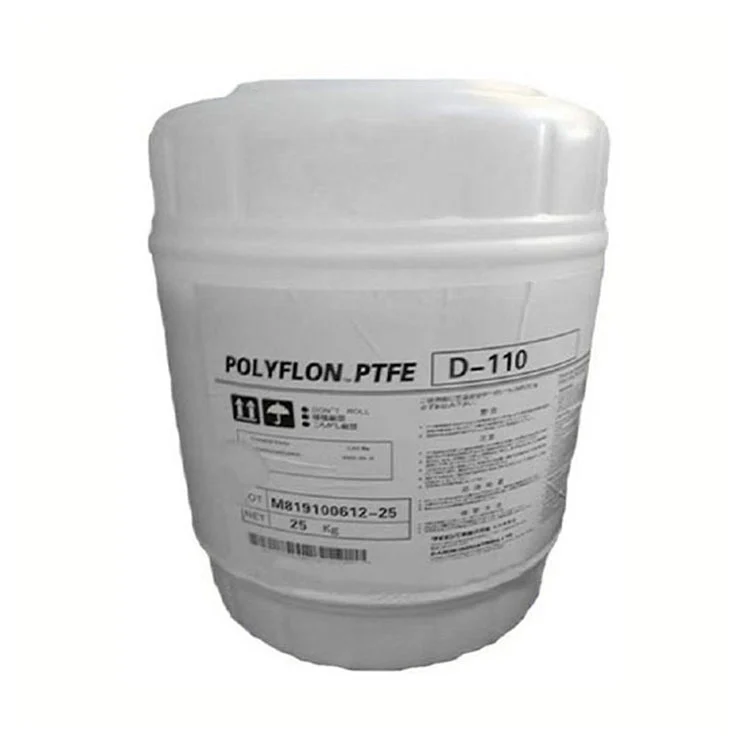
PTFE Emulsion is a water-based dispersion of polytetrafluoroethylene particles. Unlike solvent-borne systems, it offers low VOC content, excellent thermal stability, and near-universal chemical resistance. The table below summarizes the performance profile that makes it suitable for corrosion-resistant coatings.
| Property | Typical Value | Benefit for Corrosion Resistance |
|---|---|---|
| Service temperature | -200 °C to 260 °C | Withstands thermal cycling without cracking |
| pH resistance | 0–14 (except molten alkali metals) | Protects against acids, bases, and solvents |
| Coefficient of friction | 0.05–0.10 | Reduces wear and mechanical damage |
| Coating thickness per pass | 10–25 µm | Builds barrier layers efficiently |
| Cure temperature | 350–400 °C | Forms a continuous, non-porous film |
Step-by-Step Application Guide
1. Substrate Preparation
Corrosion resistance begins with surface integrity. Degrease with an alkaline cleaner, then grit-blast to a white-metal finish (Sa 2.5). A profile of 2–4 µm anchors the PTFE Emulsion mechanically.
2. Dilution and Priming
For most corrosion applications, dilute PTFE Emulsion to 30–40 % solids with deionized water. Apply a thin primer layer at 10–15 µm and dry at 80–100 °C. Nianjing recommends its EP-series primer for ferrous substrates to enhance adhesion.
3. Spray Application Parameters
Use a HVLP or airless spray system. Keep the following parameters stable:
| Parameter | Recommended Range |
|---|---|
| Nozzle diameter | 1.0–1.4 mm |
| Atomizing pressure | 2.0–3.0 bar |
| Substrate temperature | 40–60 °C |
| Wet film thickness | 20–30 µm |
4. Curing and Sintering
Dry the coating at 120 °C for 10 minutes, then ramp to 380 °C for 15–20 minutes. This sinters the PTFE Emulsion particles into a continuous barrier. Cool slowly to avoid thermal stress.
5. Quality Control
Measure dry film thickness with an eddy-current gauge. Perform a spark test at 1.5 kV for pinhole detection. Adhesion is verified by cross-hatch or bend testing.
Common Pitfalls and How Nianjing Solves Them
-
Cracking during cure: Usually caused by excessive thickness. Apply multiple thin layers instead of one heavy coat.
-
Poor adhesion: Often linked to insufficient surface profile or contaminated substrate. Nianjing technical support can audit your pretreatment line.
-
Pinholing: Reduce atomizing pressure and ensure proper flash-off between passes.
PTFE Emulsion FAQ
What is the ideal dilution ratio for corrosion-resistant coating?
For most industrial spray applications, dilute PTFE Emulsion to 30–40 % solids using deionized water; higher dilution improves leveling but may require additional coats to reach the target thickness.
How many layers are needed to achieve full corrosion protection?
A minimum of three to four cross-coated layers, each 10–25 µm dry, is typical; total dry film thickness of 50–100 µm provides a robust barrier against most acids, bases, and solvents.
Can PTFE Emulsion coatings be used on aluminum substrates?
Yes, but aluminum requires a conversion coating or an epoxy primer before applying PTFE Emulsion; without a proper interlayer, the oxide surface may lead to blistering during high-temperature sintering.
Conclusion
Applying PTFE Emulsion correctly transforms a simple dispersion into a high-performance corrosion barrier. By controlling dilution, spray parameters, and sintering profile, you can extend equipment life and reduce maintenance costs. Nianjing supplies tailored PTFE Emulsion grades and on-site application support for chemical, automotive, and energy sectors. Contact us today to request a sample, discuss your substrate, or schedule a technical consultation with our coating engineers.