
Is a Rapid Antigen Test for the Anterior Nasal COVID-19 as Reliable as a PCR Test
2026-09-21
When it comes to diagnosing COVID-19, two testing methods dominate the conversation: the Rapid Antigen Test for the Anterior Nasal COVID-19 and the polymerase chain reaction (PCR) test. KINGSTAR has spent years supplying both professional and home-use diagnostic solutions, and one question we hear constantly is whether the faster antigen option can truly match PCR accuracy. The short answer is that they serve different purposes, and understanding those differences helps you choose the right test at the right time.
How the Two Tests Work
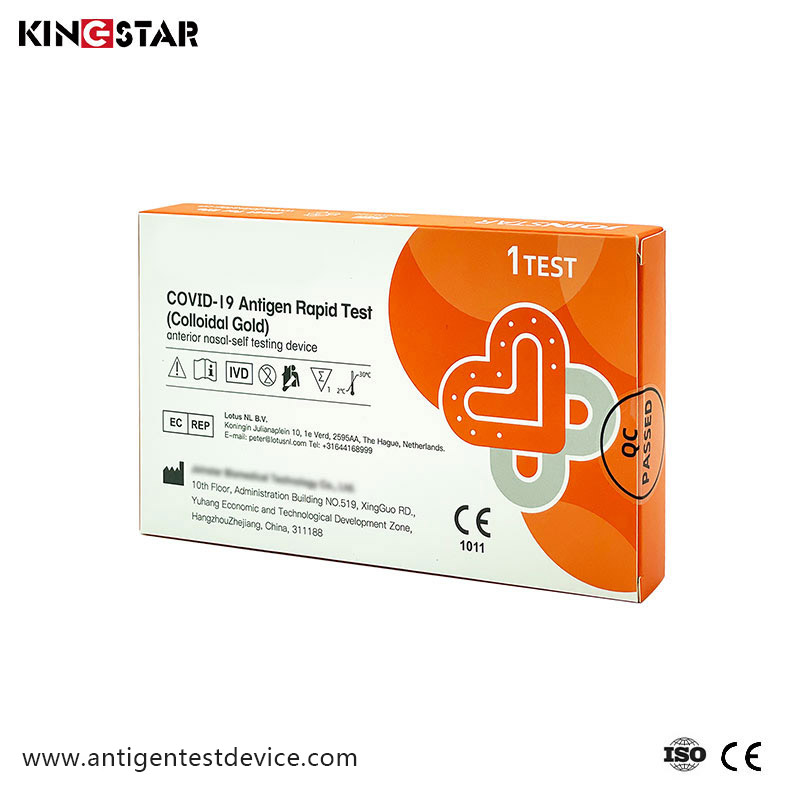
A Rapid Antigen Test for the Anterior Nasal COVID-19 detects viral proteins, known as antigens, from a sample collected in the front part of the nasal cavity. Results appear in 10 to 15 minutes. PCR testing, by contrast, amplifies viral genetic material through laboratory cycles, which makes it far more sensitive but typically requires hours to days for a result.
KINGSTAR manufactures anterior nasal antigen tests designed to meet international performance standards, with clear instructions and stable reagents that support reliable self-testing.
Head-to-Head Comparison
| Feature | Rapid Antigen Test for the Anterior Nasal COVID-19 | PCR Test |
|---|---|---|
| Detection target | Viral antigens (proteins) | Viral RNA (genetic material) |
| Sample site | Anterior nasal cavity | Nasal, nasopharyngeal, or saliva |
| Turnaround time | 10–15 minutes | Several hours to 2 days |
| Sensitivity | Moderate; best when viral load is high | Very high; detects low viral loads |
| Specificity | High | Very high |
| Cost per test | Low | Higher |
| Best use case | Frequent screening, symptomatic cases | Confirmatory diagnosis, low viral load |
When Antigen Testing Excels
A Rapid Antigen Test for the Anterior Nasal COVID-19 performs best when the viral load is at its peak. This usually happens in the first several days of symptoms, when a person is most contagious. During this window, antigen sensitivity can exceed 90% in many peer-reviewed studies. KINGSTAR recommends serial testing, meaning testing twice over 48 hours, to reduce the chance of missing an infection.
When PCR Remains the Gold Standard
PCR detects even tiny amounts of viral RNA. It is the preferred method for people with no symptoms, for close contacts of confirmed cases, and for situations requiring definitive documentation, such as international travel or hospital admission. A negative antigen result does not fully rule out infection, especially in low-exposure or early-exposure scenarios.
The Practical Verdict
Neither test is universally "better." A Rapid Antigen Test for the Anterior Nasal COVID-19 offers speed, affordability, and convenience, making it ideal for repeated at-home screening. PCR offers maximum sensitivity and is essential for confirmation. KINGSTAR advises using antigen tests for frequent monitoring and PCR for definitive answers when symptoms persist or exposure risk is high.
Frequently Asked Questions
Q: How accurate is a Rapid Antigen Test for the Anterior Nasal COVID-19 compared with PCR?
A: In symptomatic individuals tested within the first week of illness, a Rapid Antigen Test for the Anterior Nasal COVID-19 typically shows sensitivity between 80% and 95%, while PCR sensitivity often exceeds 95%. Specificity for both methods is generally above 98%, meaning false positives are rare. The gap widens in asymptomatic cases, where antigen sensitivity can drop below 60%, which is why PCR is preferred for silent screening.
Q: Can a Rapid Antigen Test for the Anterior Nasal COVID-19 be used for travel or official documentation?
A: Many countries and airlines accept antigen tests, but requirements vary. A Rapid Antigen Test for the Anterior Nasal COVID-19 must usually be administered or supervised by a certified professional and come with a formal result report. KINGSTAR provides tests that meet regulatory standards in multiple regions, yet travelers should always verify the specific entry rules of their destination before relying on antigen results.
Q: What should I do if my Rapid Antigen Test for the Anterior Nasal COVID-19 is negative but I still have symptoms?
A: A single negative result does not rule out infection. Because a Rapid Antigen Test for the Anterior Nasal COVID-19 depends on sufficient viral load, early or late infection can produce a false negative. KINGSTAR recommends repeating the test 24 to 48 hours later and, if symptoms persist, confirming with a PCR test. Isolate and monitor symptoms in the meantime to protect those around you.
Contact Us
For healthcare providers, distributors, and organizations seeking dependable diagnostic solutions, KINGSTAR offers a full range of Rapid Antigen Test for the Anterior Nasal COVID-19 products backed by rigorous quality control. Contact our team today to request samples, discuss bulk pricing, or learn how KINGSTAR can support your testing program with reliable, fast, and accurate results.