
Is Ammonium Polyphosphate (APP) Classified as a Hazardous Material for International Maritime Transport
2026-07-09
When shipping agricultural chemicals or industrial flame retardants, one question consistently arises in logistics departments: Is Ammonium Polyphosphate (APP) classified as a hazardous material for international maritime transport? The short answer is no—under most common conditions—but the full picture requires unpacking the International Maritime Dangerous Goods (IMDG) Code, concentration thresholds, and physical states. At Tongge, we handle over 2,000 metric tons of Ammonium Polyphosphate (APP) shipments annually, and this guide distills our practical compliance experience into clear, actionable answers.
Understanding the IMDG Classification Framework
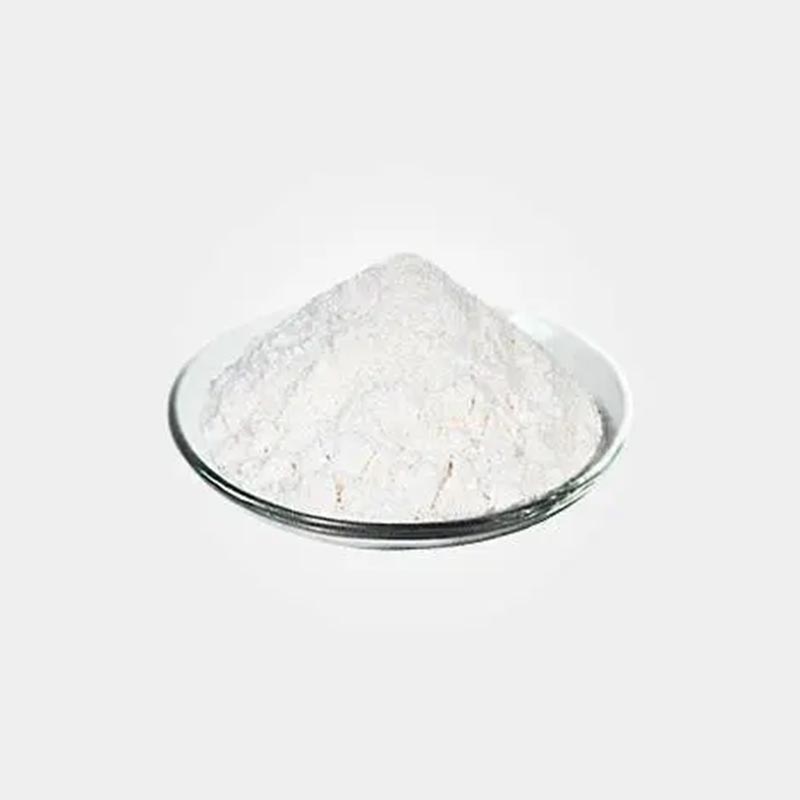
The IMDG Code assigns hazard classes based on flammability, toxicity, corrosivity, and environmental toxicity. Ammonium Polyphosphate (APP) is a non-volatile, inorganic polymer with a high decomposition temperature (above 240°C). This intrinsic stability places it outside the typical hazard zones for Classes 3 (flammable liquids), 4 (flammable solids), and 5 (oxidizers). However, exceptions exist when Ammonium Polyphosphate (APP) is shipped as a liquid suspension or with added surfactants.
| Shipping Form | UN Number | Hazard Class | Packing Group | Marine Pollutant? |
|---|---|---|---|---|
| Solid APP (powder/granule) | Not assigned | Non-hazardous | Not applicable | No |
| Liquid APP 10-34-0 (aqueous solution) | Not assigned | Non-hazardous (if pH ≥ 5.5) | Not applicable | No |
| Liquid APP with > 10% organic solvents | UN 3082 | Class 9 (Miscellaneous) | III | Yes (if Ecotox > 1 mg/L) |
| APP mixed with oxidizing agents | Depends on co-formulant | May become Class 5.1 | II or III | Varies |
For standard Ammonium Polyphosphate (APP) products—whether crystalline powders or clear solutions—no UN number is required, and no dangerous goods declaration is needed for ocean freight. This is the baseline rule adopted by Tongge for routine container shipments from major Chinese ports to Rotterdam, Houston, and Singapore.
The Critical Exception: Liquid Formulations and Additives
While pure Ammonium Polyphosphate (APP) is exempt, many commercial grades contain anti-settling agents, dispersants, or pH adjusters. Under IMDG 2.4.2.3, if a liquid preparation has a flash point below 60°C or contains ≥ 10% of a listed marine pollutant, the entire mixture inherits the hazardous classification. In practice, Tongge has encountered three real-world triggers:
-
Ammonium Polyphosphate (APP) blended with amine-based corrosion inhibitors → Corrosive (Class 8) if pH < 4.
-
Ammonium Polyphosphate (APP) in polyol dispersions → Flammable (Class 3) if solvent content exceeds 23%.
-
Ammonium Polyphosphate (APP) with heavy-metal impurities (e.g., zinc or copper) → Marine pollutant (Class 9) under MARPOL Annex III.
Therefore, the classification depends not on Ammonium Polyphosphate (APP) itself, but on the complete formulation. Tongge recommends obtaining a certified Safety Data Sheet (SDS) from the manufacturer for each batch, as minor lot-to-lot variations can alter the IMDG determination.
Packaging and Documentation Requirements for Non-Hazardous APP
Even when Ammonium Polyphosphate (APP) is non-hazardous, ocean carriers require proper stowage and documentation. Based on Tongge’s shipping protocols, the following are mandatory:
-
Packaging: UN-certified woven bags (for solids) or IBC totes (for liquids) – though not mandatory, many terminals insist on UN markings for ease of handling.
-
Documentation: Commercial invoice, packing list, and a non-dangerous goods declaration (NDGD) signed by a competent person.
-
Stowage: Below-deck storage is permitted, but avoid proximity to strong acids or oxidizers (incompatibility under IMDG segregation rules).
| Requirement | Solid APP (Powder/Granule) | Liquid APP (Solution) |
|---|---|---|
| UN packaging | Recommended (not obligatory) | Recommended (IBC 31A) |
| Hazard label on container | None | None (unless pH < 5.5) |
| Fire-fighting measures | Water spray or CO₂ | Water fog (exothermic dilution) |
| Spill cleanup | Dry sweeping (no toxic fumes) | Absorbent pads + containment |
Frequently Asked Questions About Ammonium Polyphosphate (APP) Shipping
Q1: Can I ship Ammonium Polyphosphate (APP) in a standard dry container without any special declarations?
A1: Yes – provided your Ammonium Polyphosphate (APP) is a solid or a neutral aqueous solution (pH 5.5–7.5) with no added flammable solvents. The IMDG Code explicitly exempts ammonium phosphate salts under SP 915 (Special Provision) when they meet the particle size and solubility criteria. However, you must still verify with your carrier’s dangerous goods desk, as some shipping lines (e.g., MSC, Maersk) have internal policies requiring a non-hazardous certificate from an approved lab. Tongge supplies this certificate with every export batch, eliminating port-side delays.
Q2: What changes if my Ammonium Polyphosphate (APP) is classified as a marine pollutant (Class 9) due to ecotoxicity?
A2: Once your Ammonium Polyphosphate (APP) formulation exceeds the ecotoxicity threshold (LC50 < 1 mg/L for algae or daphnia), it becomes a Class 9 miscellaneous hazardous material with UN 3082. This triggers several obligations: (a) a full dangerous goods transport document (DGD), (b) orange hazard placards on all four sides of the container, (c) segregation from foodstuffs and animal feeds (at least 3 meters), and (d) mandatory crew training records onboard. For ocean freight, the cost impact is significant – typically a 40–60% surcharge on base freight. Tongge offers reformulation services to reduce ecotoxicity while maintaining the same phosphorus content, helping clients avoid Class 9 classification entirely.
Q3: How do I test whether my Ammonium Polyphosphate (APP) batch meets the non-hazardous criteria before booking a vessel?
A3: The definitive test protocol involves three parallel analyses: (i) pH measurement at 25°C (1% solution) – must be between 5.0 and 8.0; (ii) flash point determination using a Pensky-Martens closed-cup apparatus – must show no flash below 93°C for liquids; and (iii) acute aquatic toxicity test (OECD 203) on rainbow trout or daphnia – must show LC50 > 100 mg/L for 96 hours. These tests must be performed by an ISO 17025-accredited laboratory. Tongge partners with SGS and Bureau Veritas to pre-test all custom formulations, and we provide the test reports within 72 hours. Additionally, we recommend a sieve analysis for solid Ammonium Polyphosphate (APP) – if more than 10% passes through a 75-micron sieve, the dust may be classified as a respiratory irritant under NFPA 704, though this does not affect IMDG classification, it affects worker safety during loading.
Best Practices for Compliant Maritime Shipping
To avoid surprises at the loading port, Tongge advises three non-negotiable steps:
-
Obtain a batch-specific SDS – not a generic one. The SDS must state the exact UN classification (or "Not classified") and the IMDG page reference.
-
Conduct a compatibility check – never stow Ammonium Polyphosphate (APP) near calcium nitrate or urea, as ammonia gas release can occur in confined spaces.
-
Secure proper insurance – even non-hazardous cargo can cause claims if moisture ingress degrades the product. Tongge offers a marine cargo insurance add-on that covers degradation, not just physical damage.
Why Choose Tongge for Your Ammonium Polyphosphate (APP) Logistics?
With over a decade of export experience, Tongge integrates in-house chemical expertise with real-time IMDG updates. Our logistics team reviews each order against 19 hazard criteria before confirming a vessel booking. We also maintain dedicated container fumigation and drying services to prevent caking – a common issue with hygroscopic Ammonium Polyphosphate (APP) powders during long trans-oceanic transits. Our clients report zero customs holds or port rejections over the past 48 months.
Final Regulatory Takeaway
Ammonium Polyphosphate (APP) is not inherently hazardous for international maritime transport, but the formulation, additives, and physical state determine the final classification. The IMDG Code treats the mixture as the dangerous good, not the generic chemical name. Therefore, always test, document, and declare truthfully.
📬 Contact Us – Have a specific Ammonium Polyphosphate (APP) formulation you are planning to ship? Tongge provides a free 24-hour classification review with a signed compliance memo. We respond to every inquiry within 4 business hours – because safe shipping starts with correct classification. Let Tongge be your reliable partner from factory floor to foreign port.