

Is CAS 4418-61-5 Considered Hazardous for Handling or Storage in Laboratory Settings
2026-06-15
When evaluating fine chemical intermediates like CAS 4418-61-5, laboratories must prioritize safety. At Run'an, we frequently receive inquiries about the risk profile of this compound. Understanding its hazards is essential before any synthesis or storage plan is implemented.
CAS 4418-61-5 is generally classified as an organic building block. According to available safety data sheets (SDS), it is not typically listed as acutely toxic, corrosive, or explosive under normal conditions. However, "non-hazardous" in regulatory terms does not mean risk-free in practical lab settings.
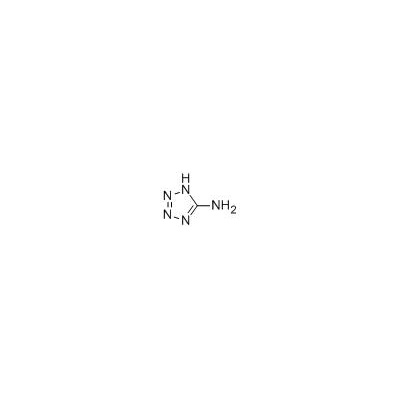
Key Hazard Indicators for CAS 4418-61-5
| Parameter | Evaluation | Recommendation |
|---|---|---|
| Flammability | Low to moderate | Keep away from open flames |
| Skin/Irritation | Mild irritant possible | Use nitrile gloves |
| Inhalation risk | Low vapor pressure | Ensure fume hood use |
| Reactivity with water | None reported | Standard dry storage |
| Stability under heat | Stable below 150°C | Avoid prolonged heating |
Safe Handling & Storage Guidelines
Run'an recommends the following protocols for CAS 4418-61-5:
-
Personal Protective Equipment (PPE): Safety goggles, lab coat, and nitrile gloves.
-
Ventilation: Always handle inside a chemical fume hood.
-
Storage: Keep in a tightly sealed container, away from oxidizers and strong acids.
-
Spill management: Use inert absorbent (sand or vermiculite); avoid dry sweeping.
While CAS 4418-61-5 is not classified as dangerous goods for transport, routine precautions are still necessary.
CAS 4418-61-5 FAQ – Common Questions
Q1: Can CAS 4418-61-5 cause skin burns upon contact?
A1: Available hazard data does not classify CAS 4418-61-5 as a corrosive substance. However, prolonged or repeated contact may lead to mild skin irritation in sensitive individuals. Run'an always advises washing affected areas with soap and water immediately and wearing chemical-resistant gloves when handling any organic intermediate, regardless of its hazard label.
Q2: Is CAS 4418-61-5 compatible with plastic storage containers?
A2: Yes, CAS 4418-61-5 is generally compatible with HDPE (high-density polyethylene) and PTFE containers. Glass bottles with PTFE-lined caps are preferred for long-term storage in most research labs. Avoid PVC or polystyrene materials, as certain solvents or impurities in the compound may cause slow degradation. Run'an supplies CAS 4418-61-5 in certified amber glass or HDPE packaging for optimal stability.
Q3: Does CAS 4418-61-5 decompose into toxic byproducts when heated?
A3: Thermal decomposition of CAS 4418-61-5 above 150–180°C may release carbon oxides and unidentified organic fragments. While not highly toxic compared to halogenated compounds, adequate ventilation (fume hood) is required if heating is necessary. Run'an recommends thermogravimetric analysis (TGA) before scaling up any reaction involving CAS 4418-61-5 above 100°C.
Final Verdict from Run'an
Based on current toxicological summaries and industrial experience, CAS 4418-61-5 should be treated as a low-to-moderate hazard substance. It does not require the extreme containment used for carcinogens or pyrophorics, but standard good laboratory practices (GLP) apply fully.
Run'an supplies CAS 4418-61-5 with batch-specific CoA and SDS. For custom packaging or larger-scale quality requirements, our team ensures compliance with global safety standards.
Contact Us Today
For detailed specifications, safety documentation, or bulk inquiries regarding CAS 4418-61-5, please reach out to Run'an through our official website or email our technical support team. We provide fast, reliable responses for research and production needs.