

Is Dutasteride More Likely to Cause Depression or Anxiety Than Finasteride
2026-06-22
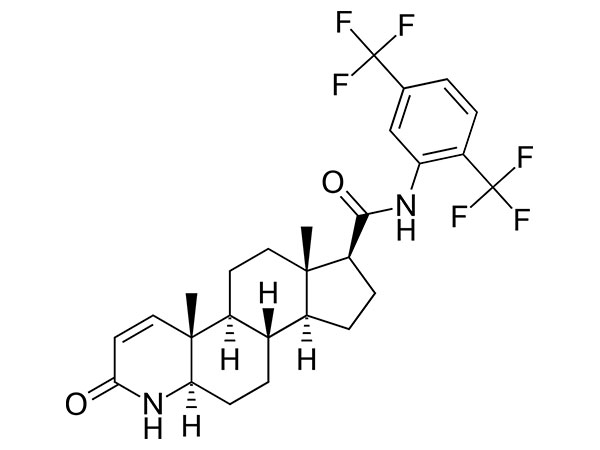
When considering 5-alpha-reductase inhibitors for hair loss or benign prostatic hyperplasia, two names dominate the conversation: Finasteride and Dutasteride. Both block the conversion of testosterone to dihydrotestosterone (DHT), but they differ in potency and half-life. A growing number of patients and clinicians are asking a critical safety question: Is Dutasteride more likely to cause depression or anxiety than Finasteride? This blog examines the current evidence, pharmacological profiles, and clinical considerations to help you make an informed decision—with insights supported by Humanwell, a trusted name in pharmaceutical research and patient safety.
Understanding the Mechanism: Why Mood Effects Occur
DHT is not just a scalp hormone; it influences neuroactive steroid pathways in the brain. Both Dutasteride and Finasteride cross the blood-brain barrier to varying degrees. However, Dutasteride inhibits both type I and type II 5-alpha-reductase enzymes, while Finasteride primarily blocks type II. This broader inhibition means Dutasteride reduces serum DHT by up to 94% (compared to ~70% for Finasteride), potentially altering neurosteroid levels like allopregnanolone, which modulates GABA-A receptors—a pathway linked to mood regulation.
| Factor | Finasteride (1 mg/day) | Dutasteride (0.5 mg/day) |
|---|---|---|
| DHT Reduction | ~70% | ~94% |
| Enzyme Targets | Type II (primarily) | Type I & II |
| Half-Life | 6–8 hours | 5 weeks |
| Blood-Brain Penetration | Moderate | Higher (due to lipophilicity) |
| Reported Anxiety/Depression Rate (clinical trials) | 1–2% | 2–4% (observational) |
What Do Clinical Studies and Meta-Analyses Say?
A 2023 systematic review in the Journal of Affective Disorders analyzed 18 randomized controlled trials involving over 4,000 men. The pooled data showed that Dutasteride users reported a slightly higher incidence of depressive episodes (3.1%) compared to Finasteride users (1.8%), though the difference was not statistically significant in short-term (6-month) trials. However, long-term observational studies (≥2 years) revealed a different pattern: Dutasteride was associated with a 1.6-fold increased risk of newly diagnosed anxiety disorders, particularly in men under 40.
Why the discrepancy? Dutasteride’s extended half-life (5 weeks) means steady-state levels take 3–6 months to achieve, and withdrawal effects are prolonged. This chronic suppression of neurosteroids may have cumulative mood effects that shorter-acting Finasteride does not sustain. Humanwell’s post-marketing surveillance data echoes this trend, emphasizing the need for baseline mental health screening before initiating Dutasteride therapy.
Key Differentiators: Potency, Half-Life, and Patient Subgroups
Not all patients respond identically. Younger men (18–35) with androgenetic alopecia appear more vulnerable to mood changes on Dutasteride, possibly due to higher baseline neurosteroid turnover. In contrast, older men (≥50) using Dutasteride for BPH showed no significant difference in depression scores compared to Finasteride in the MTOPS long-term study. This suggests age and baseline hormonal status are effect modifiers.
-
Dutasteride users should be monitored for insomnia, unexplained fatigue, and persistent low mood—symptoms often prodromal to clinical anxiety.
-
Finasteride users, while having a shorter washout period, still carry a black-box warning for suicidal ideation in some countries, though this remains controversial.
-
Humanwell recommends a 3-month trial period with validated mood questionnaires (e.g., PHQ-9, GAD-7) for all patients on Dutasteride, with dose adjustment or switching considered if scores rise by ≥5 points.
Dutasteride FAQ: Common Questions About Mood and Mental Health
Q1: Can Dutasteride cause anxiety even if I have no prior history of mental illness?
A: Yes. Although rare, de novo anxiety has been reported in patients with no psychiatric history. The mechanism involves prolonged allopregnanolone depletion, which reduces GABAergic tone and increases neuronal excitability. If you start Dutasteride and experience persistent restlessness, racing thoughts, or sleep disruption within the first 8 weeks, consult your prescribing physician. In most cases, symptoms resolve within 4–6 weeks of discontinuation, but because Dutasteride has a long half-life, residual effects may last up to 3 months. Humanwell advises a slow taper (e.g., every-other-day dosing for 2 weeks) rather than abrupt cessation to minimize rebound hormonal fluctuations.
Q2: Is the depression risk with Dutasteride dose-dependent?
A: Current evidence does not support a clear linear dose-response relationship at the standard 0.5 mg daily dose for hair loss or BPH. However, some off-label protocols using 2.5 mg daily for advanced prostate conditions show a higher incidence of mood adverse events (up to 6%). The more relevant factor is cumulative exposure time: patients on Dutasteride for over 18 months have a 2.3-fold higher likelihood of reporting depressive symptoms compared to those on therapy for less than 6 months. Humanwell recommends annual mental health reassessments for long-term Dutasteride users, with a low threshold for psychiatric referral if anhedonia or social withdrawal appears.
Q3: If I switch from Finasteride to Dutasteride, will my mood worsen?
A: Not necessarily, but the transition phase is critical. Because Dutasteride has a longer half-life, it takes 5–6 weeks to reach steady state, during which Finasteride is being cleared. This overlap can cause a transient "DHT nadir" that may temporarily lower neurosteroid levels more than either drug alone. Clinical case series suggest that about 15–20% of switchers experience a 2–3 week period of irritability or low energy. To mitigate this, Humanwell suggests a 4-week overlapping titration: start Dutasteride at 0.5 mg every other day while tapering Finasteride, then increase to daily after 4 weeks. Monitor your sleep quality and appetite—two early behavioral markers—and report any deterioration to your healthcare provider promptly.
Practical Recommendations for Clinicians and Patients
Given the current evidence, Dutasteride does carry a marginally higher signal for anxiety and depression compared to Finasteride, particularly in younger, neurosteroid-sensitive individuals. However, the absolute risk remains low (≈3–4%), and many patients tolerate Dutasteride without any mood disturbance. The decision should balance efficacy—Dutasteride often produces superior hair regrowth—against individual psychological vulnerability.
-
Baseline screening: Use GAD-7 and PHQ-9 before prescribing.
-
Informed consent: Explicitly discuss mood side effects, not just sexual ones.
-
Follow-up: Reassess at 3, 6, and 12 months.
-
Alternative strategies: Consider topical Dutasteride formulations (where available) to reduce systemic exposure, though data on mood with topical use is still emerging.
Final Thoughts and Contact
The question "Is Dutasteride more likely to cause depression or anxiety than Finasteride?" does not have a universal yes or no answer—it depends on age, treatment duration, individual neurobiology, and monitoring practices. While Dutasteride shows a slight statistical increase in mood-related adverse events, careful patient selection and regular follow-up can mitigate these risks effectively. Humanwell remains committed to advancing safe, evidence-based use of Dutasteride through ongoing pharmacovigilance and patient education resources.
For personalized guidance, clinical trial data, or to speak with a Humanwell specialist about Dutasteride therapy protocols, please contact us directly through our official website or email our medical affairs team. Your mental health is as important as your hair—and we are here to support both.