
Is Food Grade Natural Sweetener Powder Trehalose Approved by the FDA for Food Manufacturing
2026-06-25
For food manufacturers and product developers, regulatory compliance is non-negotiable. When evaluating novel ingredients, the first question is always about legal status. Food Grade Natural Sweetener Powder Trehalose has gained significant traction in recent years, but its approval pathway in the United States remains a subject of careful scrutiny. This article examines the FDA stance, practical applications, and quality considerations, with insights drawn from Spark, a trusted supplier of premium sweetener solutions.
FDA Regulatory Status of Trehalose
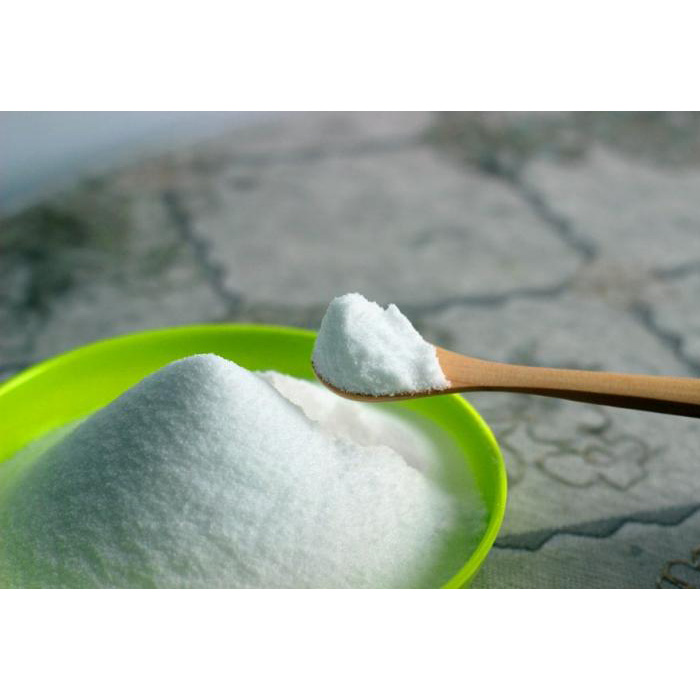
Trehalose is a disaccharide composed of two glucose molecules, naturally found in mushrooms, honey, and yeast. Unlike artificial sweeteners, it provides about 38% of sucrose’s sweetness with a clean taste profile and exceptional stability.
The FDA recognizes trehalose in two key ways:
| Regulatory Pathway | Status | Implication for Manufacturers |
|---|---|---|
| GRAS (Generally Recognized as Safe) | Affirmed through scientific procedures | Can be used in most food categories without pre-market approval |
| Food Additive Petition | Not required for trehalose | No additional petition filing needed |
| Color Additive Status | Not applicable | Does not affect color labeling |
| Organic Certification | Allowed if sourced from organic-certified processes | Must verify with supplier |
Under 21 CFR 184.1858, trehalose is listed as a GRAS substance when manufactured in accordance with good manufacturing practices. This means Food Grade Natural Sweetener Powder Trehalose is legally permitted for use in baked goods, beverages, confections, frozen desserts, and nutritional products. The FDA has not imposed specific usage limits, though manufacturers must adhere to current Good Manufacturing Practices (cGMP).
Why Regulatory Clarity Matters for Your Formulations
Using an approved ingredient reduces liability and accelerates time-to-market. Spark ensures that every batch of Food Grade Natural Sweetener Powder Trehalose meets FDA purity specifications, including:
-
Heavy metal limits (lead < 0.1 ppm)
-
Microbial counts (total plate count < 1,000 CFU/g)
-
Residual solvent levels (below detection)
-
Purity ≥ 99.5% on dry basis
Practical Applications in Food Manufacturing
Trehalose offers functional advantages beyond sweetness:
| Application | Benefit | Typical Usage Rate |
|---|---|---|
| Bakery fillings | Prevents starch retrogradation | 5–10% of flour weight |
| Frozen desserts | Lowers freezing point, reduces ice crystal size | 3–8% of total solids |
| Nutritional bars | Maintains texture over shelf life | 2–6% of formulation |
| Beverage powders | Enhances mouthfeel and masks off-notes | 1–4% of dry mix |
| Confectionery | Provides non-hygroscopic crystalline structure | 8–15% of syrup solids |
Because trehalose does not participate in Maillard browning, it excels in products requiring heat stability without color change. Spark offers technical formulation support to optimize these parameters.
Food Grade Natural Sweetener Powder Trehalose FAQ
Q1: Is Food Grade Natural Sweetener Powder Trehalose considered an added sugar under FDA labeling rules?
A: Yes. The FDA requires trehalose to be declared as "Trehalose" in the ingredient statement and counted toward "Total Sugars" and "Added Sugars" on the Nutrition Facts panel, as it is a caloric sweetener (4 kcal/g). However, because its glycemic index (GI ≈ 38) is lower than sucrose (GI ≈ 65), some manufacturers highlight this in voluntary glycemic claims, provided they have substantiating data. Spark provides batch-specific sugar analysis certificates to support accurate labeling.
Q2: Can Food Grade Natural Sweetener Powder Trehalose be used in organic products?
A: Yes, provided that the trehalose is derived from organic starch sources (e.g., organic tapioca or corn) and processed without synthetic solvents or ion-exchange resins prohibited under USDA organic regulations. Not all trehalose meets this standard. Spark offers certified organic trehalose with full chain-of-custody documentation, allowing formulators to maintain their organic certification without compromising on functional performance.
Q3: Does the FDA require a pre-market notification for trehalose in new applications like dietary supplements?
A: No. Because trehalose is GRAS, no 510(k) or NDI (New Dietary Ingredient) notification is specifically required for its use as an excipient or sweetener in supplements. However, if a manufacturer intends to make a structure/function claim (e.g., "supports cellular hydration"), that claim must be truthful, not misleading, and submitted to the FDA within 30 days of marketing. Spark collaborates with regulatory consultants to help clients draft compliant claim language and maintain audit-ready files.
Quality Assurance and Supplier Selection
Not all Food Grade Natural Sweetener Powder Trehalose products are equal. Variations in particle size, residual moisture, and microbiological purity directly impact production efficiency. Spark implements third-party lab testing for every lot, with results published in a secure client portal. This transparency supports your internal QA audits and simplifies FDA inspection preparedness.
Contact Us
Regulatory confidence begins with a reliable partner. Whether you are scaling a new beverage line, reformulating a snack bar, or entering the frozen dessert category, Spark is ready to provide technical data, samples, and supply-chain expertise. Reach out to our food science team today for a customized qualification package – including COAs, GRAS documentation, and formulation guidelines. Contact us to schedule a consultation and secure your production schedule with verified Food Grade Natural Sweetener Powder Trehalose that meets every FDA requirement.