

Is Potassium Chlorate the Same as Potassium Perchlorate
2026-09-21
When sourcing industrial chemicals, buyers often ask whether Potassium Chlorate and potassium perchlorate can be used interchangeably. At Feixiang, we supply both compounds to manufacturers worldwide, and the answer is clear: they are chemically distinct substances with different properties, regulations, and applications. Understanding these differences helps you select the right oxidizer, avoid safety risks, and stay compliant with transportation and storage rules.
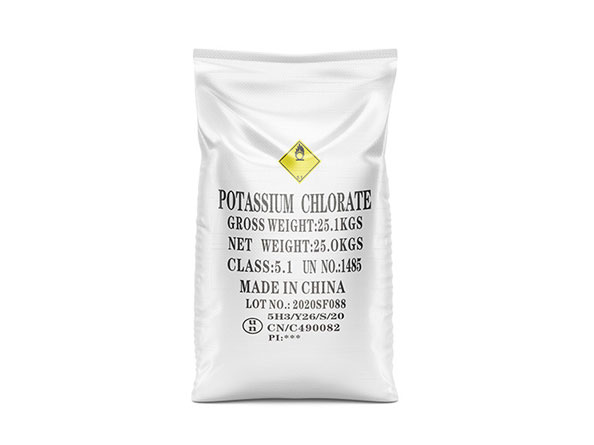
Quick Comparison: Potassium Chlorate vs. Potassium Perchlorate
| Property | Potassium Chlorate | Potassium Perchlorate |
|---|---|---|
| Chemical formula | KClO₃ | KClO₄ |
| Molecular weight | 122.55 g/mol | 138.55 g/mol |
| Oxygen content | ~39.2% | ~34.6% |
| Decomposition temperature | ~400°C | ~550–600°C |
| Thermal stability | Lower | Higher |
| Sensitivity to friction/impact | Higher | Lower |
| Typical applications | Matches, fireworks, pyrotechnics, herbicides | Solid rocket propellants, flares, pyrotechnics, airbags |
| Regulatory status | More strictly controlled in many regions | Also controlled but often preferred for stability |
Key Chemical Differences
The structural difference between Potassium Chlorate (ClO₃⁻) and perchlorate (ClO₄⁻) determines their reactivity. Potassium Chlorate releases oxygen more readily and decomposes at a lower temperature, making it more reactive and more hazardous during handling. Perchlorate, with its fully oxidized chlorine atom, is more stable and requires more energy to initiate decomposition.
Why This Matters for Industrial Users
-
Safety: Potassium Chlorate is more sensitive to friction, impact, and contaminants such as sulfur or phosphorus. Perchlorate offers a safer profile for many pyrotechnic and propellant formulations.
-
Performance: Potassium Chlorate delivers a higher oxygen balance, which can be advantageous in specific pyrotechnic color compositions. Perchlorate provides slower, more predictable burn rates in rocket motors.
-
Compatibility: Potassium Chlorate must never be mixed with ammonium compounds or certain metals without expert guidance. Perchlorate is generally more compatible with common binder systems.
-
Cost and availability: Potassium Chlorate is often less expensive, but regulatory restrictions may limit its use. Feixiang helps customers compare total cost of ownership, including compliance and insurance.
Regulatory and Transportation Considerations
Both chemicals are classified as oxidizing agents for transport. However, Potassium Chlorate frequently faces stricter storage separation requirements and higher hazard classification in many jurisdictions. Perchlorate is regulated primarily due to environmental persistence and thyroid-related health concerns. Feixiang provides complete documentation, including SDS, COA, and transport classification, to support seamless customs clearance.
Potassium Chlorate FAQ
Q: What is Potassium Chlorate mainly used for?
A: Potassium Chlorate is primarily used in match heads, pyrotechnic compositions, fireworks, and as a non-selective herbicide. It also serves as an oxidizing agent in some laboratory and industrial processes.
Q: Is Potassium Chlorate toxic to humans?
A: Yes, Potassium Chlorate is harmful if swallowed or inhaled. It can cause methemoglobinemia, kidney damage, and irritation to the respiratory tract. Proper PPE and ventilation are essential during handling.
Q: Can Potassium Chlorate be stored with other chemicals?
A: No, Potassium Chlorate must be stored separately from combustible materials, ammonium salts, sulfur, and powdered metals. Dedicated, cool, dry, and well-ventilated areas are required.
Q: How does Potassium Chlorate differ from potassium perchlorate in fireworks?
A: Potassium Chlorate produces brighter colors and faster reactions but is more sensitive. Potassium perchlorate is preferred for stable, long-lasting effects and safer handling.
Q: Does Feixiang supply both Potassium Chlorate and potassium perchlorate?
A: Yes, Feixiang supplies both products with consistent purity, full documentation, and technical support tailored to your application.
Conclusion
Choosing between Potassium Chlorate and potassium perchlorate depends on your performance requirements, safety protocols, and regulatory environment. Feixiang combines technical expertise with reliable global logistics to help you make the right decision. Contact us today for pricing, samples, and customized chemical solutions.