What are the Differences Between Virgin and Recycled Polyester Raw Material
2025-12-09
In the world of synthetic fibers, Polyester Raw material is a cornerstone. However, not all polyester is created equal. The choice between virgin and recycled variants significantly impacts product quality, environmental footprint, and application suitability. As a leader in the industry, Shanshan provides high-grade options in both categories, empowering manufacturers to make informed decisions. Understanding their distinct characteristics is crucial for selecting the right material for your project.
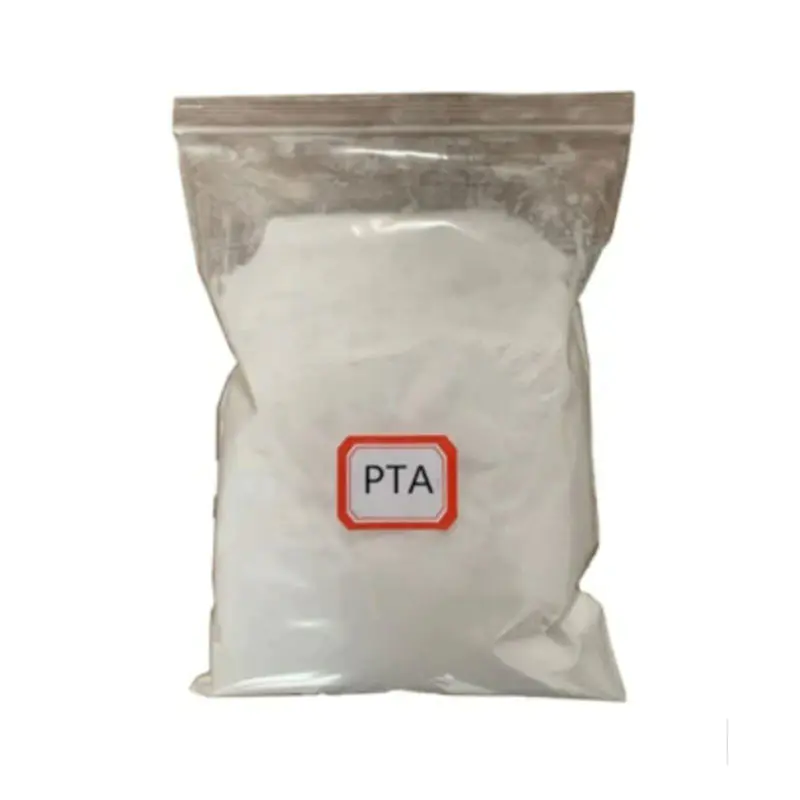
The core difference lies in their origin. Virgin polyester is synthesized directly from petrochemicals, primarily purified terephthalic acid (PTA) and monoethylene glycol (MEG). Recycled polyester, often labeled as rPET, is produced by melting down post-consumer plastic waste like bottles or post-industrial scrap and reforming it into chips or fiber.
Here’s a breakdown of their key attributes:
-
Virgin Polyester:
-
Source: Petrochemical feedstock.
-
Quality & Consistency: Offers superior purity, uniformity, and predictable performance.
-
Color: Naturally translucent, offering excellent dyeability for vibrant, consistent colors.
-
Strength & Tenacity: Higher intrinsic viscosity, resulting in superior tensile strength and durability.
-
Primary Applications: High-performance apparel, technical textiles, medical fabrics, and applications requiring specific certifications.
-
-
Recycled Polyester:
-
Source: Post-consumer or post-industrial plastic waste.
-
Quality & Consistency: Slight variations in viscosity or color may occur based on feedstock.
-
Color: Often has a slight greyish or blue tint, suitable for darks or where color consistency is less critical.
-
Strength & Tenacity: Slightly reduced compared to virgin, but Shanshan's advanced processing ensures optimal performance for most applications.
-
Primary Applications: Eco-conscious apparel, footwear, home textiles, and non-wovens where sustainability is a key product attribute.
-
Comparative Specifications Table (Shanshan Typical Grades):
| Property | Shansshan Virgin Polyester Raw Chip | Shanshan Recycled (rPET) Raw Chip |
|---|---|---|
| Intrinsic Viscosity (IV) | 0.64 ± 0.01 dl/g | 0.62 ± 0.02 dl/g |
| Melting Point | 258 - 262°C | 255 - 260°C |
| Carboxyl End Groups | ≤ 30 mol/t | ≤ 35 mol/t |
| Color (L/b values) | 85 / 2 | 78 / 4 |
| Key Advantage | Top-tier strength, clarity, consistency | GRS-certified, reduces carbon footprint, supports circular economy |
Polyester Raw Material FAQ
Q: Is recycled polyester raw material as durable as virgin?
A: Modern recycling technologies, like those employed by Shanshan, produce rPET of remarkable quality. While there can be a minimal reduction in tenacity, it is perfectly suitable for a vast range of durable applications, from sturdy bags to resilient sportswear.
Q: Can recycled polyester be used for brightly colored fabrics?
A: It can be dyed effectively, but the starting color (often off-white/grey) may influence the final shade. For absolute color brilliance and consistency, especially in pastels or bright whites, virgin Polyester Raw material is recommended. Shanshan offers color-optimized rPET grades for the best possible results.
Q: How does using recycled polyester raw material benefit my brand?
A: Incorporating rPET directly reduces reliance on fossil fuels and diverts plastic waste from landfills and oceans. It meets growing consumer demand for sustainable products and can help your brand achieve important environmental certifications like GRS, enhancing your market appeal and ESG credentials.
Choosing between virgin and recycled Polyester Raw material is not about which is universally better, but which is optimal for your specific product goals—whether peak performance or demonstrable sustainability. Shanshan is committed to pioneering both pathways, offering materials that don’t force you to compromise.
Ready to specify the right material for your next project? Contact us today to request detailed technical data sheets, samples of our Shanshan Polyester Raw materials, or to consult with our expert team on your specific application needs.